
How is Wastewater Treated in the Paper and Pulp Industry?
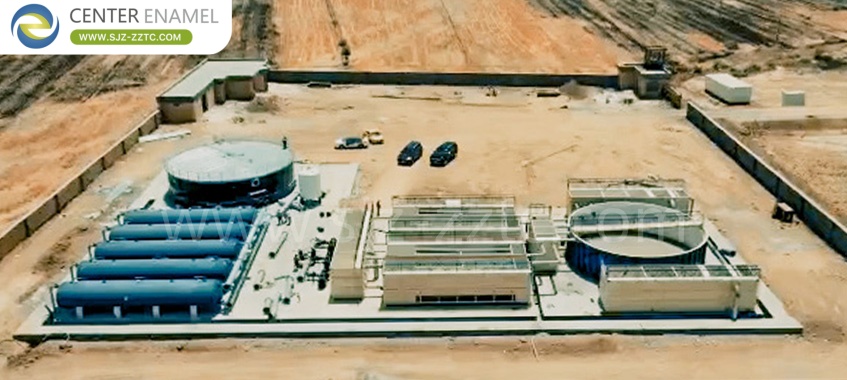
Wastewater in the paper and pulp industry is treated through a systematic, multi-stage process combining physical pretreatment, anaerobic biological treatment, aerobic polishing, and advanced purification to remove high COD, BOD, suspended solids, lignin, and toxic compounds before discharge or reuse. The process is designed to handle extremely high-strength, colored, and corrosive effluent while recovering biogas as a renewable energy source.
A typical treatment train includes primary screening/sedimentation, anaerobic digestion (the core step for organic removal and biogas recovery), aerobic treatment, and final filtration or disinfection. This structured approach ensures compliance with strict global environmental standards and supports circular economy goals in the pulp and paper sector.
Composition & Characteristics of Paper and Pulp Wastewater
Pulp and paper wastewater is among the most challenging industrial effluents due to its complex composition and high pollutant load. Key components include:
- High COD & BOD: Lignin, cellulose, sugars, and organic residues from wood pulping create extreme organic demand, often 1,000–5,000 mg/L COD.
- Suspended Solids (TSS): Loose wood fibers, fines, and fillers that cause blockages and sludge buildup.
- Dark Color: Lignin derivatives that are highly resistant to biodegradation.
- Toxic Compounds: AOX (adsorbable organic halides) from chlorine bleaching, resin acids, and sulfur-based odor compounds.
- Corrosive Nature: Fluctuating pH, organic acids, and sulfides that damage standard storage and reactor materials.
- High Volume: Mills generate 50–200 m³ of wastewater per ton of paper produced, placing massive pressure on treatment systems.
Without proper treatment, this wastewater severely pollutes rivers, depletes oxygen in aquatic ecosystems, creates odor nuisances, and violates discharge regulations.
Full Wastewater Treatment Process in Paper & Pulp Industry
The industry uses a four-stage standardized treatment workflow to safely process and purify wastewater:
1. Primary Physical Treatment
Removes large solids and fibers to protect downstream equipment:
- Screening, grit removal, and filtration
- Sedimentation or dissolved air flotation (DAF)
- Removes 30–50% of TSS and 10–20% of COD upfront
2. Anaerobic Biological Treatment (Core Stage)
Breaks down dissolved organics using oxygen-free microbes, reducing COD by 70–85% and generating biogas. This is the most economical and energy-positive step.
3. Aerobic Polishing Treatment
Uses oxygen-fed microbes to remove remaining BOD/COD and nutrients via activated sludge, moving-bed biofilm reactors (MBBR), or aerated lagoons.
4. Advanced Tertiary Treatment
Final polishing for reuse or strict discharge:
- Membrane filtration (UF/RO)
- Activated carbon adsorption
- Disinfection and pH adjustment
- Produces clean water suitable for mill reuse or environmental release
Four Core Anaerobic Technologies for Pulp & Paper Wastewater
Anaerobic digestion is the foundation of efficient pulp wastewater treatment. Center Enamel provides four proven technologies tailored to pulp mill conditions:
1. CSTR Process (Completely Stirred Tank Reactor)
Ideal for high-solids, high-lignin pulp wastewater. Full mechanical mixing prevents scum and sediment buildup, ensuring stable fermentation and consistent biogas production even with variable feed quality. Best for chemical pulp and kraft mill effluents.
2. UASB Process (Upflow Anaerobic Sludge Blanket)
The most widely used technology for recycled paper and medium-strength wastewater. Wastewater flows upward through a dense granular sludge bed, achieving high organic loading rates and 75–85% COD removal with low energy use. Compact and cost-effective.
3. USR Process (Upflow Solids Reactor)
Simple, low-cost design ideal for small and decentralized pulp facilities. No complex mixing or recirculation, easy operation, and reliable performance for low-to-medium strength effluent.
4. IC Process (Internal Circulation)
High-efficiency, high-loading system with biogas-driven internal circulation. Organic loading is 3–5 times higher than conventional reactors, with a tiny footprint. Perfect for large industrial parks and mills with limited space.
These technologies turn pollution into energy: each kilogram of COD removed produces biogas that can power mill operations, heating, and electrical generation.
Advantages of Glass-Fused-to-Steel (GFS) Tanks in Pulp Mill Wastewater Treatment
GFS Tanks are the global industry standard for pulp and paper wastewater reactors and storage due to unmatched performance in harsh conditions:
1. Extreme Corrosion Resistance
Fused at over 820°C, GFS provides a pH 1–14 inert barrier that resists organic acids, sulfides, bleaching chemicals, and H₂S in biogas—critical for pulp mill durability.
2. Long Service Life & Low Maintenance
Smooth glass surface resists biofouling and scaling; tanks last 30+ years with minimal upkeep, far outperforming concrete or standard steel.
3. Fast, Modular Installation
Bolted assembly enables rapid on-site construction without scaffolding or large cranes, minimizing mill downtime and labor costs.
4. Excellent Gas Tightness
Precision sealing ensures safe biogas capture and storage, maximizing energy recovery and eliminating fugitive methane emissions.
5. Full Scalability
Available from small units to 10,000+m³ capacity, easily adapted to any mill size or future expansion.
Why Choose Center Enamel for Pulp & Paper Wastewater & Biogas Projects
Center Enamel is a global leader in integrated wastewater treatment and biogas EPC solutions for the pulp and paper industry, with unique advantages:
1. Mature, Customized Process Design
We tailor CSTR, UASB, USR, or IC systems based on your wastewater type, production volume, and site conditions to maximize COD removal and biogas yield.
2. Proprietary GFS Tank Technology
200+ patented enamel formulas and Asia’s largest GFS manufacturing base ensure unmatched quality and reliability.
3. International Quality Certifications
Compliant with ISO 28765, AWWA D103, NSF/ANSI 61, CE, and OSHA standards; every tank passes a 1500V high-voltage spark test.
4. Full-Cycle Turnkey EPC Service
One-stop solution from engineering, manufacturing, and installation to commissioning, operation training, and long-term after-sales support.
5. Proven Global Track Record
Thousands of successful pulp and paper wastewater and biogas projects in over 100 countries, with deep understanding of regional regulations and mill operational needs.
6. Energy & Cost Savings
Our systems typically reduce energy costs by 30–60% and sludge disposal fees by 50%+ while generating renewable biogas for on-site use.
To answer the question “How is wastewater treated in the paper and pulp industry?” — it requires a professional, multi-stage process centered on high-efficiency anaerobic treatment to handle extreme organic load, corrosiveness, and volume. The combination of physical pretreatment, advanced anaerobic digestion, aerobic polishing, and tertiary purification ensures safe discharge or water reuse.
With four industry-leading anaerobic technologies, superior GFS tank systems, and full EPC capabilities, Center Enamel delivers reliable, cost-effective, and sustainable solutions that turn pulp wastewater from a liability into a resource. Our systems help mills meet strict environmental standards, lower operational costs, generate renewable energy, and achieve long-term circular economy goals.
If you are planning a pulp and paper wastewater treatment or biogas project, Center Enamel provides proven technology, robust equipment, and end-to-end support to ensure your success.