
How Is Wastewater Treated in the Pharmaceutical Industry? A Complete Guide to Treatment Technologies
Pharmaceutical manufacturing is one of the most water-intensive industries in the world, and the wastewater it generates is equally challenging to treat. Unlike municipal sewage, pharmaceutical effluent contains a complex cocktail of active pharmaceutical ingredients (APIs), organic solvents, heavy metals, and other chemical residues that can be toxic to aquatic life and contribute to antibiotic resistance if released untreated .
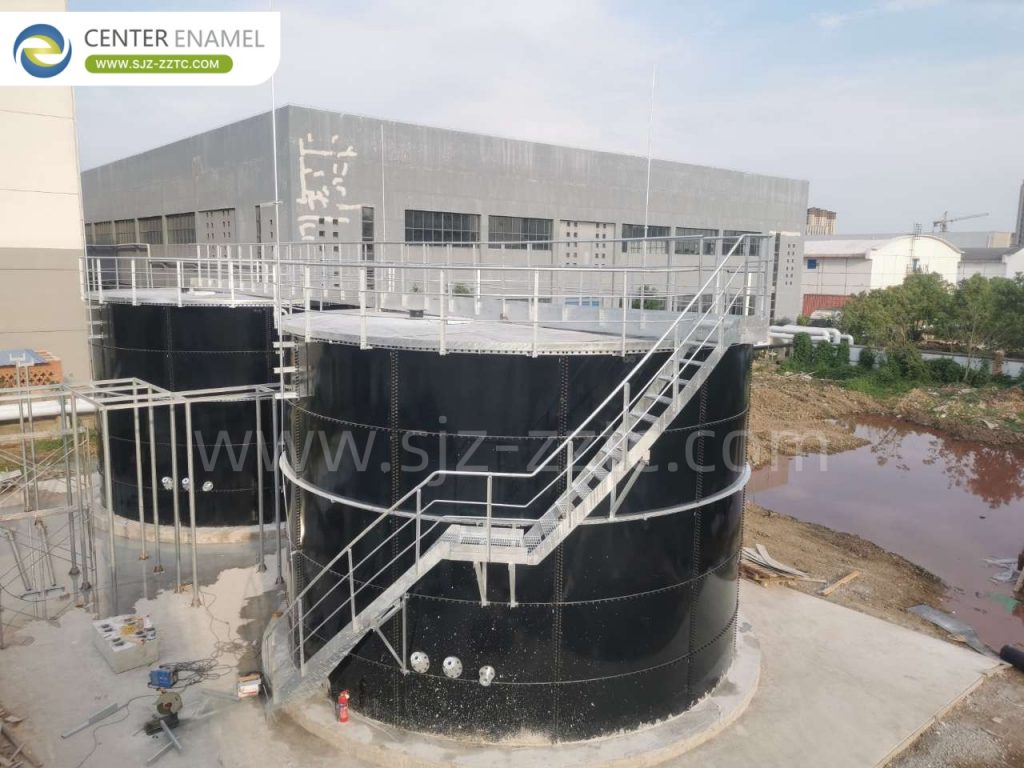
What makes pharmaceutical wastewater particularly difficult is its variability. A single facility may produce dozens of different drugs, with production schedules changing daily. The result is a wastewater stream whose composition fluctuates dramatically-sometimes containing biodegradable compounds, sometimes refractory organics that resist conventional treatment .
The good news is that the industry has developed a sophisticated toolkit of treatment technologies. This article explores the major approaches used to treat pharmaceutical wastewater, from conventional biological processes to cutting-edge advanced oxidation systems.
The Unique Challenge of Pharmaceutical Wastewater
Pharmaceutical wastewater differs from municipal sewage in several critical ways. First, it often contains high concentrations of chemical oxygen demand (COD), sometimes reaching 4,410 to 40,000 mg/L depending on the production process . Second, it contains APIs that are designed to be biologically active and resistant to degradation-the same properties that make them effective medicines make them stubborn pollutants .
The pollutants of concern fall into several categories: residual APIs, organic solvents such as methanol and acetone, heavy metals from catalysts, and high salt concentrations from chemical synthesis. Conventional treatment methods like activated sludge can remove some organic matter but often fail to degrade APIs effectively .
Conventional Biological Treatment: The Foundation
Most pharmaceutical wastewater treatment systems begin with biological treatment, which uses microorganisms to break down organic pollutants. The activated sludge process is the most widely used conventional method, employing aeration tanks where bacteria consume organic matter.
For high-strength pharmaceutical wastewater, anaerobic treatment often precedes aerobic processes. The Internal Circulation (IC) reactor is particularly effective for treating wastewater with high organic loads, breaking down complex compounds while producing biogas as a byproduct. The IC reactor improves upon earlier anaerobic designs by using an internal circulation system that enhances mass transfer between biomass and wastewater, allowing for higher organic loading rates and better treatment efficiency. Hydrolysis acidification reactors are also used as pretreatment to improve biodegradability of recalcitrant compounds .
However, conventional biological treatment has significant limitations for pharmaceutical wastewater. Many APIs are not readily biodegradable and can even inhibit the microbial communities that treatment systems rely on. As one review notes, conventional treatment plants are "insufficient in the effective removal of pharmaceuticals," with effluent streams often categorized as containing micropollutants .
Membrane Technologies: Selective Separation
Membrane-based treatment has become increasingly important in pharmaceutical wastewater management. Membrane bioreactors (MBRs) combine biological degradation with membrane separation, achieving higher removal efficiency than conventional activated sludge systems .
MBRs work by coupling a biological treatment tank with a membrane filtration unit that retains biomass and suspended solids. This allows for higher biomass concentrations and better control over treatment conditions. The technology is particularly effective for removing micropollutants and other contaminants that resist conventional treatment .
Nanofiltration (NF) and reverse osmosis (RO) are used for more advanced separation. NF membranes with pore sizes of 1–10 nm can selectively separate molecules based on size, charge, and solubility, making them useful for recovering organic solvents and purifying wastewater streams . RO provides the highest level of removal, eliminating most dissolved contaminants.
A notable full-scale study demonstrated the effectiveness of combining sequencing batch reactors (SBR) with RO treatment. Over a three-year evaluation, this SBR-RO combination achieved 98.74% removal of total dissolved solids, 98.96% reduction in chemical oxygen demand, and 89.57% removal of ammonia-results that met zero liquid discharge (ZLD) requirements .
Advanced Oxidation Processes: Destroying Refractory Compounds
Advanced oxidation processes (AOPs) are powerful tools for degrading APIs and other organic compounds that resist biological treatment. AOPs work by generating highly reactive hydroxyl radicals that attack and break down organic molecules .
Ozonation is one of the most widely applied AOPs in pharmaceutical wastewater treatment. Ozone treatment operates through two pathways: direct molecular ozone attack on electron-rich structures, and indirect oxidation via hydroxyl radicals generated from ozone decomposition . Ozone can effectively eliminate endocrine-disrupting compounds, surfactants, and polycyclic aromatic hydrocarbons, though it cannot remove heavy metals .
A real-world case study illustrates the effectiveness of combining MBR with ozonation. A pharmaceutical producer of generic medicines needed to reduce API concentrations to less than 3 µg/L before discharge. After testing 20 different APIs over eight weeks, the optimal solution was found to be a combination of Biomar® MBR membrane biology followed by Envochem® AOP ozone treatment. This system reliably achieved residual concentrations below 3 µg/L, and with increased ozone dosage, could achieve less than 0.5 µg/L. Importantly, genotoxicity testing confirmed no toxic degradation products were formed during treatment .
Other AOPs used in pharmaceutical wastewater treatment include Fenton oxidation, UV/hydrogen peroxide, and photocatalytic processes. Each has specific advantages and limitations related to energy consumption, operational cost, and potential byproduct formation .
Adsorption: Capturing Contaminants
Adsorption using activated carbon is a well-established method for removing APIs and organic pollutants from pharmaceutical wastewater. Granular activated carbon (GAC) and powdered activated carbon (PAC) provide enormous surface areas for adsorbing organic molecules .
Activated carbon treatment is particularly valued because it does not create transformation products-it simply captures and holds contaminants. However, the carbon becomes saturated over time and must be regenerated or replaced. The presence of competing organic matter can reduce adsorption efficiency for target compounds .
Biochar, a sustainable alternative to activated carbon, has shown promise for pharmaceutical wastewater treatment. Produced from agricultural waste or biomass, biochar offers a lower-cost option while still providing effective adsorption of organic pollutants .
Hybrid and Integrated Systems: The Best of Multiple Technologies
Given the complexity of pharmaceutical wastewater, no single technology can address all pollutants effectively. The most advanced treatment systems integrate multiple technologies in sequence, creating a "treatment train" that leverages the strengths of each process.
A typical integrated system might include: pretreatment to remove suspended solids and equalize flow, anaerobic biological treatment (often using an IC reactor) for high-strength organic removal, aerobic biological treatment for residual organics and nitrogen, membrane separation for fine particulate and dissolved solids removal, and finally advanced oxidation or adsorption for polishing .
A case study from a US pharmaceutical facility demonstrates the effectiveness of hybrid systems. The facility generated approximately 100,000 gallons of wastewater per day containing high levels of APIs and solvents. A treatment system combining a bioreactor, membrane module, and advanced oxidation process was installed. The bioreactor removed organic matter, the membrane removed dissolved solids, and the AOP broke down APIs. The system achieved over 99% removal of APIs while meeting all regulatory requirements .
The Move Toward Zero Liquid Discharge
Increasingly stringent environmental regulations are pushing pharmaceutical manufacturers toward zero liquid discharge (ZLD)-a treatment approach where all wastewater is treated and reused, with no discharge to the environment.
ZLD systems typically combine biological treatment, membrane concentration, and thermal evaporation or crystallization to recover water and concentrate waste for disposal. The SBR-RO combination mentioned earlier is one example of a ZLD-compatible treatment approach .
While ZLD offers significant environmental benefits, it also presents challenges. These systems have long process chains, require large land areas, involve high costs, and can have high carbon emissions associated with energy consumption . Research is ongoing to optimize ZLD systems for energy efficiency and sustainability.
Comparison of Major Treatment Technologies
The following table summarizes the key characteristics of major pharmaceutical wastewater treatment technologies:
| Technology | Target Pollutants | Typical Removal Efficiency | Key Advantages | Main Limitations |
| Activated Sludge | Biodegradable organics, nutrients | 70–90% COD | Well-established; cost-effective | Poor API removal; vulnerable to toxic shock |
| IC Reactor (Anaerobic) | High-strength organics | 60–90% COD | Energy recovery via biogas; handles high organic loads; compact footprint | Slower startup; sensitive to temperature |
| Membrane Bioreactor (MBR) | Organics, micropollutants | 80–95% COD; high API removal | Compact footprint; high-quality effluent | Membrane fouling; higher energy demand |
| Ozonation/AOP | Refractory APIs, EDCs | >90% for many APIs | Destroys recalcitrant compounds | Energy-intensive; potential byproducts |
| Activated Carbon | Dissolved organics, APIs | >90% for many APIs | No transformation products; reliable | Saturation requires regeneration |
| SBR + RO | Broad spectrum | >98% TDS and COD | Achieves ZLD; high-purity water | High capital and energy costs |
The Path Forward: Sustainability and Innovation
The pharmaceutical industry's approach to wastewater treatment is evolving rapidly. Beyond simply meeting discharge standards, manufacturers are increasingly focused on water reuse, energy recovery, and reducing their overall environmental footprint.
Research is exploring several promising directions. Biotechnological advancements-including enzymatic degradation, genetically modified microbes, and enhanced biofilm systems-offer the potential for more efficient and environmentally friendly API removal . Algal-based systems, particularly high-rate algal ponds, can simultaneously remove contaminants and recover nutrients . Emerging technologies like plasma oxidation and microalgae-based treatment remain at early research stages but show promise for future application .
The integration of digital tools is another frontier. A recent study used digital twin technology to optimize pharmaceutical effluent treatment plants, demonstrating the potential for simulation-based approaches to improve both treatment efficiency and energy consumption .
FAQ
Q: Can pharmaceutical wastewater be treated using the same methods as municipal sewage?
No. Pharmaceutical wastewater contains APIs, organic solvents, and other compounds that resist conventional biological treatment. Municipal treatment plants are designed for domestic sewage, not the complex chemical mixtures generated by drug manufacturing. While some pharmaceutical facilities discharge pretreated wastewater to municipal systems, most require specialized on-site treatment that may include anaerobic digestion (such as IC reactors), membrane bioreactors, advanced oxidation, or combinations of these technologies .
Q: What is the most effective technology for removing APIs from pharmaceutical wastewater?
There is no single "best" technology-effectiveness depends on the specific APIs and wastewater characteristics. However, advanced oxidation processes (particularly ozonation) and membrane-based systems (MBRs) have demonstrated strong performance. In practice, the most effective approach is a treatment train that combines anaerobic treatment (often using an IC reactor) for bulk organic removal, membrane separation for fine particulates, and AOP or adsorption for polishing residual APIs. A case study achieving >99% API removal used a bioreactor, membrane module, and AOP in sequence .
Q: What is zero liquid discharge, and why is it important for pharmaceutical wastewater?
Zero liquid discharge (ZLD) is a treatment approach where all wastewater is treated and reused, with no discharge to the environment. For pharmaceutical manufacturers, ZLD offers several benefits: it eliminates the risk of pharmaceutical pollution in receiving waters, recovers valuable water for reuse in production, and helps meet increasingly stringent environmental regulations. A full-scale study demonstrated that SBR-RO treatment achieved ZLD-compatible performance with >98% removal of dissolved solids and COD . However, ZLD systems are energy-intensive and expensive, so their adoption depends on regulatory requirements and economic feasibility.