
How Long Does Anaerobic Digestion Take? A Complete Guide
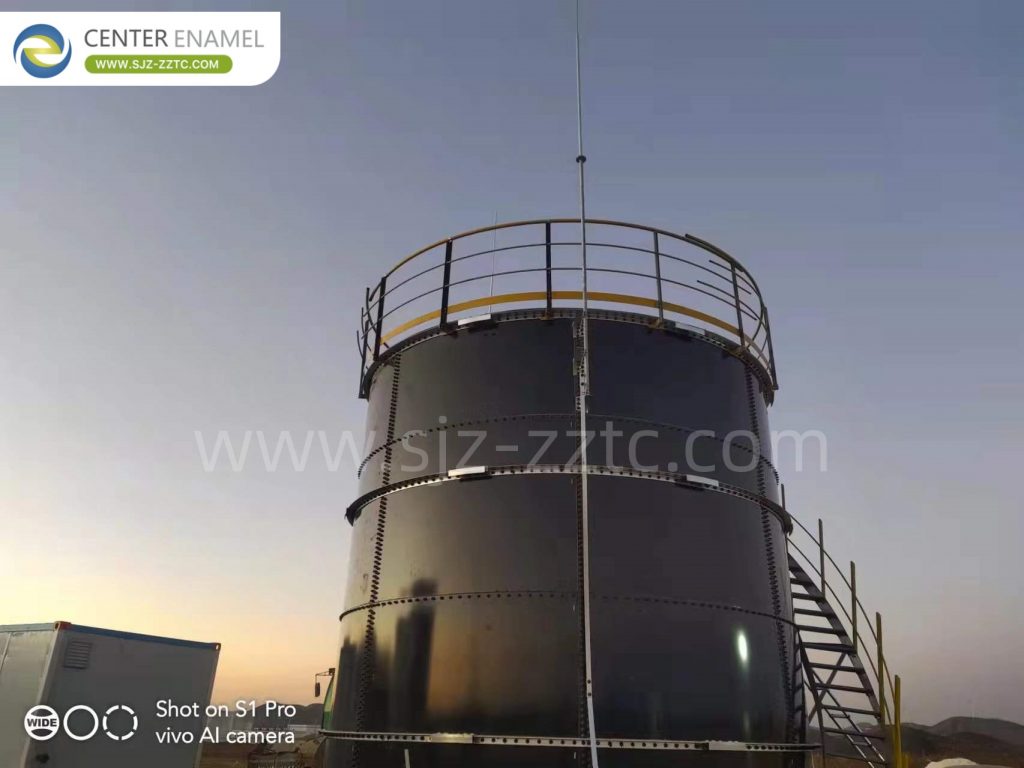
Anaerobic digestion is a natural biological process that breaks down organic waste into biogas and nutrient-rich digestate in an oxygen-free environment. It is widely used in livestock farms, food factories, municipal sewage plants and industrial parks. One of the most common questions from project investors, farm owners and environmental engineers is: How long does anaerobic digestion take?
This article clearly answers the digestion cycle, explains key influencing factors, lists mainstream application fields of anaerobic digestion, and introduces Center Enamel’s four mature anaerobic technologies as well as its comprehensive advantages in global biogas and wastewater treatment projects.
How Long Does Anaerobic Digestion Take?
In general, the complete anaerobic digestion process takes 15 to 45 days under normal temperature and standard operating conditions. The specific cycle varies by waste type, temperature, organic concentration and reactor type.
Mesophilic Anaerobic Digestion (25–38°C): This is the most widely used mode in global biogas projects. The digestion cycle usually lasts 20–30 days. Stable temperature ensures continuous microbial activity and steady biogas production.
Thermophilic Anaerobic Digestion (45–60°C): Higher temperature accelerates microbial decomposition speed. The digestion time can be shortened to 15–20 days, with higher biogas yield and better pathogen removal effect, but requires higher heating cost and precise temperature control.
Low-Temperature Anaerobic Digestion (Below 20°C): In cold regions or simple rural biogas tanks, microbial activity slows down greatly. The digestion cycle will extend to 30–45 days or even longer, with lower daily biogas output.
In short, the conventional engineering design cycle of anaerobic digestion is mostly set at 20–30 days, which balances operating cost, biogas yield and treatment efficiency.
Main Factors Affecting Anaerobic Digestion Time
Many factors determine how long anaerobic digestion lasts:
Temperature: The most critical factor; higher temperature shortens digestion time.
Raw Material Type: Chicken manure, pig manure and food waste degrade fast; straw and fiber waste take longer.
Organic Loading Rate: Higher organic concentration properly speeds up decomposition; excessive load easily causes acidification.
Reactor Structure: Professional anaerobic reactors such as CSTR, UASB greatly improve efficiency and shorten cycle compared with simple traditional ponds.
PH Value and Microbial Activity: Stable pH and abundant methanogenic bacteria ensure efficient and rapid digestion.
Main Application Fields of Anaerobic Digestion
Anaerobic digestion technology has been widely promoted worldwide, covering multiple industries:
Livestock and Poultry Farms: Pig farms, cattle farms, chicken farms use anaerobic digestion to treat manure, produce biogas for power generation and heating, and realize waste recycling.
Food and Agricultural Processing Factories: Palm oil mills, cassava factories, sugar mills and beverage plants treat high-concentration organic wastewater to reduce pollution and recover biogas energy.
Municipal Sewage & Landfill Leachate: Urban sewage plants and landfill sites adopt anaerobic digestion to reduce sludge volume and generate clean energy.
Industrial Parks: Textile, paper and pharmaceutical industrial organic wastewater is treated efficiently through anaerobic digestion systems.
Rural Household Biogas Projects: Small-scale anaerobic digestion tanks process domestic garbage and livestock manure for cooking and heating.
Four Mature Anaerobic Technologies from Center Enamel
As a global leading EPC contractor for biogas and wastewater projects, Center Enamel has independently developed and optimized four mainstream anaerobic technologies suitable for different raw materials and project scales.
1. CSTR (Completely Stirred Tank Reactor)
CSTR is the most widely used process for high-solid organic waste such as chicken manure, pig manure and cattle manure. Mechanical full stirring makes raw materials and microorganisms fully mixed, avoiding crusting and sedimentation. It features stable reaction, strong impact resistance and balanced digestion cycle, perfectly matching large livestock farms.
2. UASB (Upflow Anaerobic Sludge Blanket)
UASB is specially designed for medium and low-concentration organic wastewater. Wastewater flows upward through granular sludge bed to efficiently degrade pollutants. It occupies small land, runs stably with low operating cost, and is ideal for food factories and medium farm sewage treatment.
3. USR (Upflow Solids Reactor)
USR has a simple structure without complex stirring equipment. It is low in investment and easy to maintain, very suitable for scattered rural small-scale biogas projects and medium and small breeding farms.
4. IC (Internal Circulation)
IC is a high-efficiency high-rate anaerobic technology. Its volumetric load is 3–5 times that of traditional reactors, greatly shortening relative digestion time and saving land occupation. It is the first choice for super-large industrial wastewater and intensive breeding biogas projects.
Comprehensive Advantages of Center Enamel in Anaerobic Digestion & Biogas Projects
Professional Technical Strength: Master four complete anaerobic processes, customize the optimal digestion cycle and reactor type according to local climate and waste characteristics.
High-Performance GFS Tanks Support: GFS glass fused steel tanks resist pH 1–14 strong corrosion, adapt to all climates, with a service life of more than 30 years, providing a stable sealed environment for anaerobic digestion.
Full Lifecycle EPC Service: Provide one-stop services including project design, equipment manufacturing, installation, commissioning and after-sales maintenance, reducing customer coordination risks.
Global Project Experience: Served more than 100 countries in Southeast Asia, South Asia, Europe and America, familiar with local environmental standards, climate characteristics and construction conditions.
Cost and Efficiency Optimization: Reasonably design anaerobic digestion cycle, balance investment cost, operating cost and biogas yield, bringing higher economic return for investors.
In summary, anaerobic digestion generally takes 20–30 days under conventional mesophilic conditions, 15–20 days under thermophilic conditions, and 30–45 days in low-temperature environments. Its application covers livestock breeding, food processing, municipal sewage and many other fields. Center Enamel’s four anaerobic technologies can adapt to different waste types and project scales. Supported by high-quality GFS tanks and professional EPC services, Center Enamel optimizes digestion efficiency and cycle length, helping global customers realize organic waste harmless treatment, biogas energy recovery and sustainable circular economic development.