
How Much Biogas Comes from Sewage Sludge? Yield per Population Equivalent and Ton
Sewage sludge yields about 250–500 m³ of biogas per tonne of volatile solids (VS) digested (10–25 m³ per tonne of dry solids), at 55–65% methane. Per capita, a connected resident contributes roughly 10–20 L of biogas per day—about 4–7 m³/year—so a city of 100,000 people can expect 400–700 m³/day of methane-rich gas, enough to power a meaningful share of the plant’s own load.
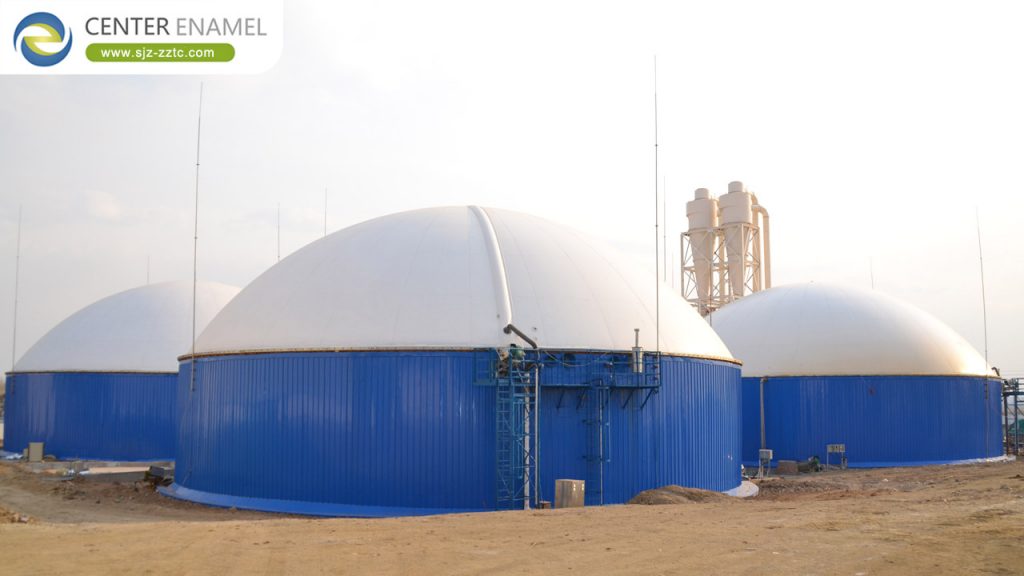
Yield by Feedstock Basis
Yield is best expressed per volatile solids because inert grit and ash do not gas. Primary sludge (high in fat and cellulose) out-yields waste activated sludge; co-digesting screened food or FOG lifts VS load 10–30%. Mesophilic digestion over 20–30 days recovers most of the biodegradable fraction; thermophilic is faster but risks ammonia inhibition. The methane share clusters at 55–65%, with the remainder mostly CO₂ plus traces of H₂S to be scrubbed.
Comparative Data Table: Yield Reference Points
| Basis | Biogas Yield | Notes |
| Per tonne VS | 250–500 m³ | Standard metric |
| Per tonne dry solids | 10–25 m³ | Depends on VS% |
| Per person per year | 4–7 m³ | Connected resident |
| 100k-pop city per day | 400–700 m³ | 55–65% CH₄ |
What Moves the Number
Four factors dominate. Higher VS content (more primary, less diluted) raises yield per tonne. Longer, stable retention time recovers more biodegradable matter. Co-digestion with high-energy FOG or food waste adds methane without new tanks. Finally, digester temperature and mixing control stability—a stalled, sour digester can halve output versus a well-run one on identical sludge.
Frequently Asked Questions (FAQ)
Q1: How much biogas per tonne of sludge?
A: About 10–25 m³ per tonne of dry solids, or 250–500 m³ per tonne of volatile solids digested. The VS-based figure is the reliable one because grit and ash do not produce gas.
Q2: What is biogas yield per person?
A: A connected resident contributes roughly 10–20 L/day, about 4–7 m³/year. So a city of 100,000 typically yields 400–700 m³/day of methane-rich biogas—enough to run a large share of the plant’s own load.
Q3: What is the methane content of sewage biogas?
A: Typically 55–65% CH₄, with the balance mostly CO₂ and trace H₂S. Primary-sludge-rich feeds sit at the higher end; dilute waste-activated-sludge mixes trend lower.
Q4: How do you increase sewage-sludge yield?
A: Raise VS loading (more primary sludge, less dilution), hold 20–30-day mesophilic retention, and co-digest FOG or food waste to add 10–30% methane. Stable temperature and mixing protect output; a sour digester can halve it.