
How Much Biogas Does 1 kg of Food Waste Produce? Understanding Kitchen Waste-to-Energy Conversion
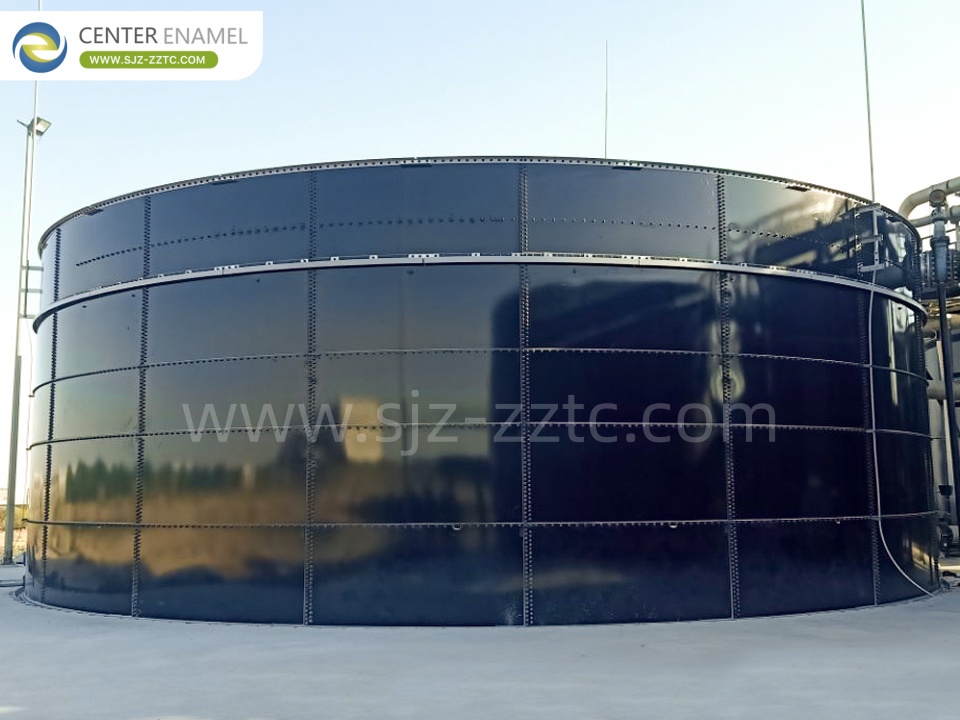
The amount of biogas produced from 1 kilogram of food waste varies depending on waste type, digestion conditions, and process technology. On average, food waste can generate approximately 90 to 260 liters of biogas per kilogram, with methane content typically ranging from 50% to 74% . This renewable energy potential makes kitchen waste an increasingly valuable resource for sustainable waste management.
Typical Biogas Yield from Food Waste
Research consistently demonstrates that food waste is an excellent substrate for biogas production. A study from the National Institutes of Health found that leftover cooked food produces up to 261.4 liters of biogas per kilogram of total solids . Other research confirms that a mixed food waste blend has the potential to produce approximately 220 liters of biogas per kilogram of waste .
For comparison, fish waste yields up to 248.5 L/kgTS, while potato waste produces up to 137.15 L/kgTS under similar conditions . The methane content also varies, with fish waste achieving the highest methane percentage at 74%, followed by leftover cooked food at 59% and potato waste at 55.8% .
Factors Affecting Biogas Yield from Food Waste
Waste Composition and Feedstock Type
The composition of food waste significantly influences biogas production. Kitchen food waste is rich in organic matter and has been shown to produce approximately 8,360 ml of biogas per kg of volatile solids when digested alone . However, co-digestion—combining different waste types—can substantially enhance yields. Co-digestion of kitchen food waste with other substrates has been shown to achieve cumulative biogas volumes of up to 13,000 ml/kg VS, demonstrating a 55% improvement over mono-digestion .
Temperature and Retention Time
Operating temperature plays a crucial role in biogas yield. Mesophilic conditions (around 35°C) are commonly used for food waste digestion. Studies have shown that thermophilic conditions can reduce hydraulic retention time to as low as 17 days . Longer retention times generally allow for more complete digestion and higher cumulative biogas production .
CSTR Process: Optimizing Biogas Production
The Continuous Stirred-Tank Reactor (CSTR) process is a key technology for maximizing biogas yield from food waste. The CSTR Process uses mechanical stirring to keep fermentation materials and microorganisms in a state of complete mixing, preventing solids settling and ensuring consistent biogas production. Research on CSTR systems operated under mesophilic conditions confirms their effectiveness in processing high-solids organic waste .
For example, pilot-scale CSTR systems have demonstrated biogas production rates of 230–538 mL per liter of reactor volume per day when processing organic waste . When treating food waste with sewage sludge in two-stage systems, specific methane yields of up to 509 mL CH₄ per gram of volatile solids have been achieved .
Biogas Production Process: From Kitchen Waste to Renewable Energy
The conversion of food waste to biogas follows a four-stage biological process: hydrolysis, acidogenesis, acetogenesis, and methanogenesis . During this process, complex organic molecules are broken down by microbial communities, ultimately producing methane-rich biogas .
Biogas Utilization and Benefits
Energy Generation and Environmental Impact
The biogas produced from 1 kg of food waste can generate approximately 0.2 kWh of electricity, based on typical conversion rates . A pilot study in Malaysia demonstrated that a 500 L anaerobic digestion system processing food waste achieved an 80% reduction in greenhouse gas emissions compared to landfill disposal .
Digestate as Valuable Byproduct
Beyond biogas production, the digestion process produces nutrient-rich digestate that can be used as organic fertilizer. This byproduct contains valuable nitrogen, phosphorus, and potassium, supporting circular economy principles and reducing dependence on chemical fertilizers .
Center Enamel: Professional Biogas Project Solutions Provider
Center Enamel offers comprehensive solutions for biogas projects worldwide, from food waste digestion to biogas storage. As a premier manufacturer of Glass-Fused-to-Steel (GFS) tanks and biogas storage systems, the company delivers complete engineering, procurement, and construction services .
GFS Tanks are the preferred choice for biogas storage and anaerobic digestion applications due to their superior corrosion resistance, gas-tightness, and 30+ year service life . The tanks undergo a high-temperature fusion process (820°C-930°C) that creates an inert, inorganic bond combining steel strength with glass corrosion resistance.
Center Enamel holds international certifications including ISO 9001, CE, NSF/ANSI 61, WRAS, ISO 28765, and AWWA D103-09 . With successful projects in more than 100 countries and collaborations with global partners including Veolia, Heineken, Sinopec, and Coca-Cola, the company provides reliable biogas storage solutions for agricultural, industrial, and municipal applications .
Frequently Asked Questions
Q1: How much biogas can 1 kg of cooked food waste produce?
Cooked food waste produces approximately 261.4 liters of biogas per kilogram of total solids, making it one of the most productive food waste types for anaerobic digestion .
Q2: What factors most significantly affect biogas yield from food waste?
The primary factors affecting biogas yield include waste composition, operating temperature (mesophilic vs. thermophilic), retention time, and whether co-digestion with other substrates is used. Co-digestion can improve yields by up to 55% .
Q3: Why are GFS Tanks ideal for biogas storage applications?
Glass-Fused-to-Steel tanks provide exceptional corrosion resistance, gas-tightness, and a 30+ year service life with minimal maintenance. They are manufactured to international standards and have been successfully deployed in over 100 countries for biogas projects