
How Profitable Are Biomass Projects in 2026?
In 2026 a well-structured biomass project typically earns an EBITDA margin of 18–32% of revenue and an unlevered IRR of 8–14%. Waste-to-energy routes that collect a gate fee are the most profitable, followed by industrial CHP with a contracted heat customer; power-only merchant plants are the most exposed. Run badly—on spot fuel and without secured offtake—the same asset can sit below its cost of capital.
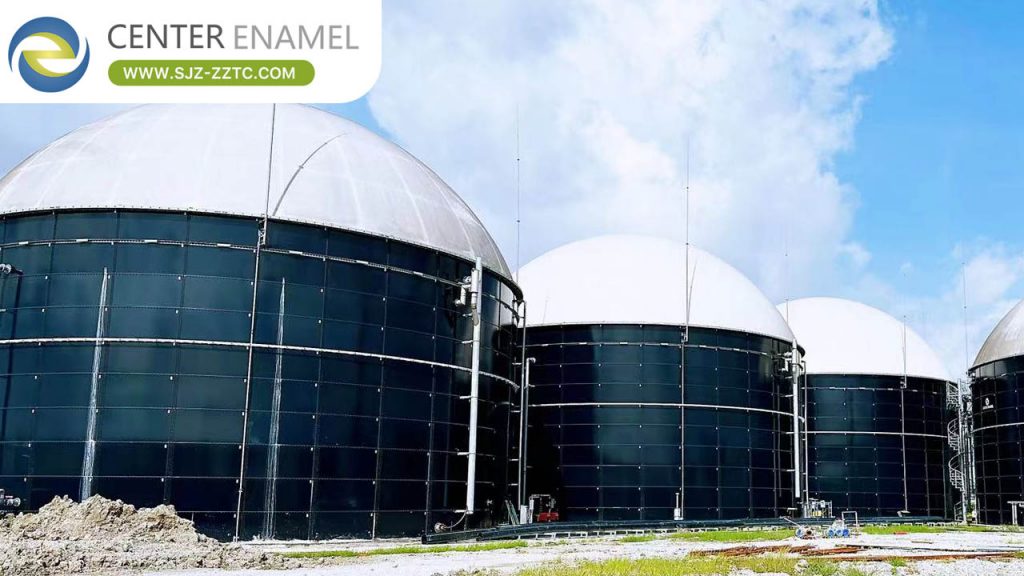
Profitability by Route
Four routes dominate, and they do not earn alike. Waste-to-energy plants add tipping revenue of roughly $30–100 per tonne on top of energy sales, which can carry margins past 30%. Industrial CHP sells steam at a contract price indexed to gas, giving stable 20–30% margins. Grid-only power plants depend entirely on the tariff or merchant price and run 15–25%. Co-firing retrofits earn the highest return on capital because they reuse most of the plant.
Comparative Data Table: Revenue Quality and Margin by Route
| Route | Revenue basis | EBITDA margin | Typical IRR |
| Waste-to-energy with gate fee | energy + tipping fee | 25–32% | 10–15% |
| Industrial CHP | contracted steam + power | 20–30% | 9–13% |
| Grid-only power | tariff or merchant | 15–25% | 7–11% |
| Co-firing retrofit | fuel displacement | 25–35% | 12–20% |
What Makes the Difference Between Winners and Losers
Three patterns separate them. Winning projects own or control their fuel chain within a 50–100 km radius, so transport does not eat the margin. They sell more than one product—electricity plus heat, certificates, ash, or tipping—so one price collapse does not sink them. And they hold availability above 85%, because an unscheduled outage in a fuel-intensive plant costs far more than the maintenance that would have prevented it.
Frequently Asked Questions (FAQ)
Q1: How profitable are biomass projects in 2026?
A: Typical EBITDA margins run 18–32% of revenue with unlevered IRR of 8–14%. Routes that stack a second revenue line—gate fees, contracted heat, or certificates—sit at the upper end; merchant power-only plants sit at the lower end.
Q2: What margin does a biomass plant earn?
A: Net operating margins are commonly 12–22% after maintenance, labour, and ash disposal, following EBITDA margins of 18–32%. Fuel is the swing item: plants that control their own supply chain land consistently in the upper half of that band.
Q3: Which biomass route is most profitable?
A: Waste-to-energy with gate fee revenue, because tipping income arrives regardless of energy prices. Co-firing retrofits earn the best return on capital since most equipment already exists.
Q4: What makes a biomass project unprofitable?
A: Buying fuel on spot at volatile prices, operating without contracted heat offtake, sourcing beyond an economic radius where transport eats 20–40% of fuel value, and running availability below 80%.