
How to Apply Digestate to Farmland: A Complete Guide to the Agricultural Utilization Process
Digestate is a valuable byproduct of anaerobic digestion. Instead of treating it as waste, livestock farms and agricultural biogas plants can recycle it as a nutrient resource for farmland.
During anaerobic digestion, organic materials such as livestock manure are broken down by microorganisms, producing biogas and digestate. After appropriate storage, separation, and quality assessment, digestate can be applied to agricultural land to supply nutrients and support soil management.
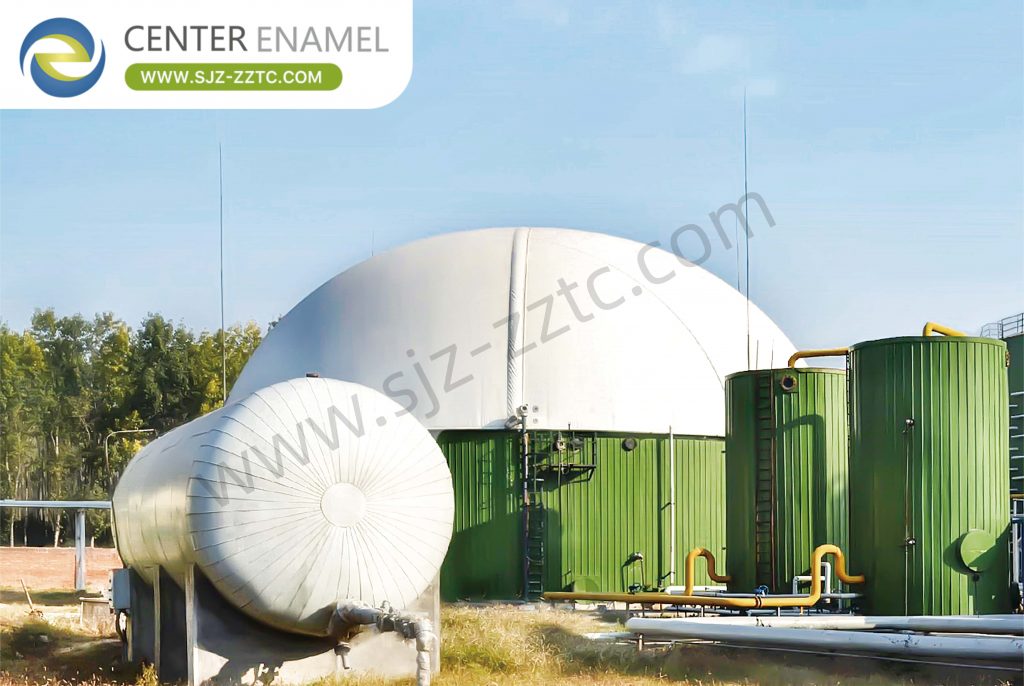
But how does digestate move from a biogas plant to farmland? What equipment is required, and how can it be applied efficiently?
This article explains the complete digestate-to-farmland process, from CSTR discharge to agricultural application.
What Is Digestate and Why Is It Valuable for Farmland?
Digestate is the remaining material after organic waste undergoes anaerobic digestion in a sealed biogas reactor.
It contains water, residual organic matter, and plant nutrients, including nitrogen, phosphorus, and potassium (NPK).
Compared with untreated manure, anaerobic digestion changes the composition of organic matter and can increase the proportion of readily available ammonium nitrogen.
The agricultural value of digestate includes:
Supplying essential nutrients for crop growth.
Recycling nutrients from livestock manure and organic waste.
Returning organic matter to agricultural soil.
Reducing the demand for some conventional mineral fertilizers.
Supporting a circular agricultural production system.
However, digestate nutrient content varies depending on feedstock and digestion conditions. Testing is essential before determining its agricultural application rate.
Digestate Discharge from the CSTR Biogas Reactor
The first stage of digestate utilization begins with the CSTR (Continuous Stirred Tank Reactor).
Inside the anaerobic digester, microorganisms break down biodegradable organic matter in an oxygen-free environment, producing biogas and digestate.
As new feedstock enters the reactor, treated digestate is continuously discharged.
The discharged digestate contains both solid and liquid components and needs further handling before agricultural application.
A properly operated CSTR system helps maintain stable digestion conditions and provides a consistent digestate output for downstream treatment.
Buffer Tank: Temporary Storage and Flow Regulation
After leaving the CSTR reactor, digestate is transferred into a buffer tank.
The buffer tank provides temporary storage and connects the anaerobic digestion system with the downstream solid-liquid separation equipment.
Its main functions include:
Balancing fluctuations in digestate discharge.
Providing a stable supply for separation equipment.
Reducing interruptions in downstream processing.
Supporting continuous and coordinated system operation.
Depending on the project design, mixing equipment may also be installed to reduce solids settling and maintain a more uniform digestate feed.
Solid-Liquid Separation of Digestate
Before liquid digestate is transferred to the storage pond, the digestate passes through a solid-liquid separation system.
Mechanical equipment, such as a screw press separator, separates the material into two fractions.
Solid Digestate
The solid fraction contains fibrous organic matter and nutrients. It can be transported for composting, further processing, or use as a soil amendment, subject to quality requirements.
Liquid Digestate
The liquid fraction contains water-soluble nutrients, particularly ammonium nitrogen, as well as other dissolved nutrients.
It is suitable for further storage, treatment, and potential agricultural utilization after appropriate quality assessment.
Solid-liquid separation makes digestate easier to handle, transport, and manage according to different agricultural requirements.
Black Film Pond: Liquid Digestate Storage
As shown in the process diagram, the separated liquid digestate is transferred into a black film pond for temporary storage.
This stage is important because digestate production and crop nutrient demand do not always occur at the same time.
A black film pond provides storage capacity, allowing agricultural operators to retain liquid digestate until suitable application conditions are available.
Its main functions include:
Storing liquid digestate after separation.
Balancing seasonal differences in fertilizer demand.
Supporting scheduled agricultural application.
Providing temporary storage capacity for biogas plant operations.
Proper pond design, liner integrity, leakage prevention, rainwater management, and storage capacity are important considerations.
Storage should also follow local environmental requirements to prevent uncontrolled discharge and nutrient losses.
Digestate Quality Testing Before Agricultural Application
Before applying digestate to farmland, operators should evaluate its quality and nutrient content.
This is an essential step because excessive fertilizer application can cause nutrient runoff, groundwater contamination, and crop damage.
Common testing parameters include:
| Testing Parameter | Why It Matters |
| Total nitrogen | Determines the overall nitrogen content |
| Ammonium nitrogen | Estimates readily available nitrogen |
| Total phosphorus | Helps determine phosphorus application rates |
| Potassium | Evaluates potassium supply for crops |
| pH | Helps assess soil and crop compatibility |
| Dry matter content | Indicates the solid content of digestate |
| Heavy metals and pathogens | Supports agricultural safety and regulatory compliance |
The testing frequency and required parameters should follow local agricultural and environmental regulations.
Based on laboratory results, farmers can determine whether additional treatment or restrictions are necessary before application.
Transportation of Liquid Digestate to Farmland
Once the digestate meets the required quality standards, it can be transported from the storage pond to agricultural fields.
Transportation methods depend on the distance between the biogas plant and farmland, the volume of digestate, and the available infrastructure.
Common transportation solutions include:
Agricultural slurry tankers.
Vacuum tanker trucks.
Pumping pipelines.
Mobile digestate distribution equipment.
For large-scale biogas projects, a well-designed transportation and distribution system can reduce operating costs and improve fertilizer management efficiency.
The transportation plan should also consider road access, storage capacity, application schedules, and seasonal farming activities.
How to Apply Digestate to Farmland
The final stage is applying liquid digestate to agricultural land.
Different application methods can be selected according to crop type, soil conditions, equipment availability, and local regulations.
1. Surface Application
Liquid digestate is distributed across the soil surface using suitable spreading equipment.
This method is relatively straightforward but may increase ammonia losses, particularly under warm, windy conditions.
2. Trailing Hose Application
A trailing hose system distributes digestate through hoses close to the soil surface.
It helps improve application accuracy and reduces direct contact with crop leaves compared with conventional surface spreading.
3. Injection Application
Digestate is injected directly into the soil through specialized equipment.
This method can reduce ammonia volatilization and improve nutrient placement near crop roots.
4. Irrigation-Based Application
Where permitted and technically suitable, liquid digestate can be distributed through an irrigation system.
Filtration, nutrient concentration, equipment compatibility, and application control must be considered to prevent clogging and uneven distribution.
Comparison of Digestate Application Methods
| Application Method | Main Advantages | Key Considerations |
| Surface spreading | Simple operation | Higher potential ammonia losses |
| Trailing hose | More controlled distribution | Requires specialized equipment |
| Soil injection | Reduces ammonia losses | Higher equipment requirements |
| Irrigation system | Suitable for controlled distribution | Requires filtration and compatibility assessment |
The application rate should be based on digestate nutrient analysis, crop nutrient requirements, soil test results, and applicable regulations.
Benefits of Applying Digestate to Agricultural Land
Proper digestate utilization creates environmental and economic value for agricultural operations.
Nutrient Recycling
Digestate returns nitrogen, phosphorus, and potassium to farmland, helping recycle nutrients from organic waste.
Reduced Dependence on Chemical Fertilizers
Digestate can replace part of the conventional fertilizer requirement when its nutrient content and crop demand are properly matched.
Improved Soil Management
The organic matter remaining in digestate can contribute to soil organic matter management, depending on the digestate composition and application rate.
Reduced Waste Disposal Pressure
Agricultural biogas plants can convert livestock manure and other organic waste into useful agricultural resources.
Circular Agriculture
The process connects livestock farming, renewable energy production, and crop cultivation in a resource-recycling system.
Complete Digestate-to-Farmland Process Flow
The complete process connects anaerobic digestion, digestate treatment, storage, transportation, and agricultural application.
| Process Stage | Main Equipment | Main Purpose |
| Anaerobic digestion | CSTR reactor | Produce biogas and digestate |
| Digestate discharge | Discharge system | Transfer treated digestate |
| Buffer storage | Buffer tank | Balance material flow |
| Solid-liquid separation | Screw press separator | Separate solid and liquid fractions |
| Liquid storage | Black film pond | Store liquid digestate |
| Transportation | Tanker or pipeline | Deliver digestate to farmland |
| Agricultural application | Spreading or injection equipment | Distribute nutrients to crops |
The process creates a practical connection between biogas production and agricultural nutrient recycling.
Center Enamel: One-Stop Biogas Solutions from Equipment to Process
Efficient digestate utilization requires a complete system, not just a single storage tank or separation machine.
As a leading biogas solution provider, Center Enamel offers integrated equipment and process solutions for agricultural biogas projects and organic waste treatment facilities.
Our solutions can cover the key stages of digestate management and biogas production, including:
CSTR anaerobic digestion systems.
Glass-Fused-to-Steel storage tanks.
Digestate buffer tanks.
Solid-liquid separation equipment.
Black film pond solutions.
Biogas storage and utilization systems.
Integrated equipment configuration and process support.
By combining equipment supply with process engineering, Center Enamel helps customers develop biogas projects that connect organic waste treatment, renewable energy recovery, and agricultural digestate utilization.
Whether you are planning a new agricultural biogas plant or upgrading an existing digestate treatment system, our team can help evaluate your project requirements and provide a suitable integrated solution.
Turn digestate into an agricultural resource with Center Enamel. Contact us today to discuss your biogas project and explore our one-stop equipment and process solutions.
Frequently Asked Questions (FAQs)
FAQ 1: Can digestate be directly applied to farmland?
Digestate can be used as agricultural fertilizer after appropriate quality assessment. Farmers should analyze its nutrient content, check relevant safety parameters, and determine application rates according to crop requirements and local regulations. Additional treatment may be necessary depending on its characteristics.
FAQ 2: Why is a black film pond needed for digestate storage?
A black film pond provides temporary storage for liquid digestate after solid-liquid separation. It helps balance digestate production with seasonal crop fertilizer demand, allowing farmers to apply nutrients when agricultural conditions are suitable. Proper liner installation and leakage prevention are essential.
FAQ 3: What equipment is required for digestate-to-farmland utilization?
A typical system includes a CSTR anaerobic digester, buffer tank, solid-liquid separator, liquid digestate storage pond, transportation equipment, and agricultural spreading or injection equipment. Center Enamel provides integrated biogas equipment and process solutions to support these interconnected stages.