
How to Convert Cassava Processing Waste into Biogas? Finding the Best Solution Provider
Cassava processing generates large amounts of high-organic-load waste that is both an environmental burden and a valuable biogas resource. By integrating the right process with the right equipment, cassava waste can be steadily converted into clean biogas, delivering both economic and environmental benefits. This article explores how to achieve this conversion and how to find the best solution provider.
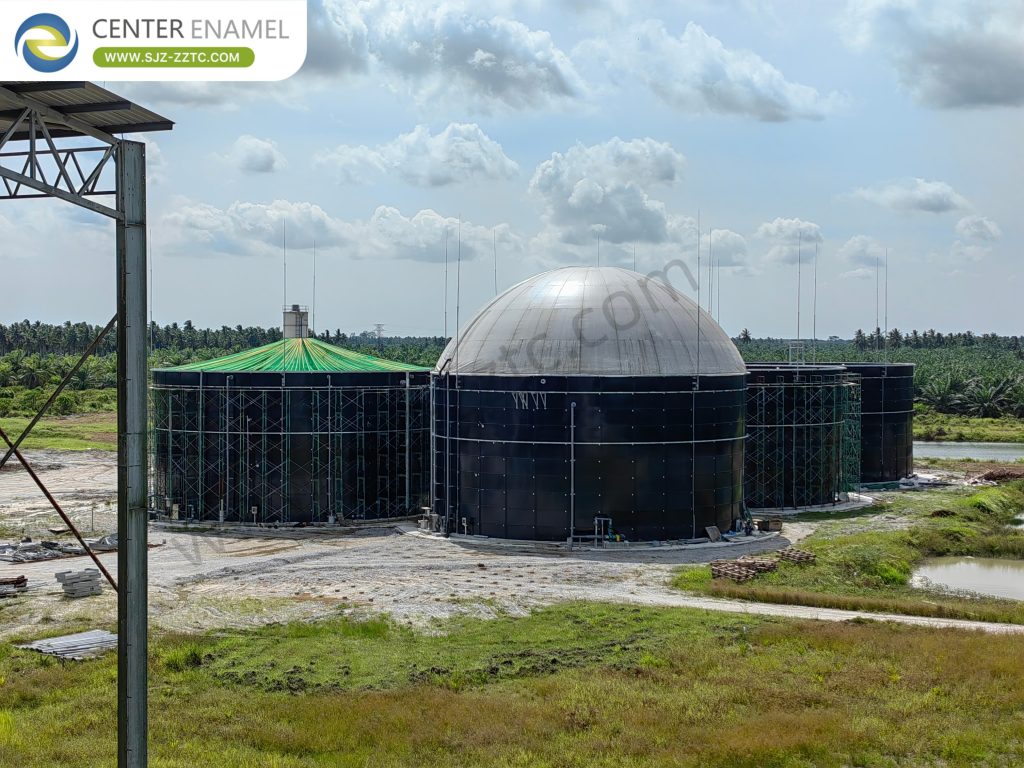
1. The Energy Opportunity of Cassava Processing Waste
Cassava is a globally important raw material for starch and alcohol production. Its processing generates large quantities of cassava pulp, cassava peels, and high-concentration organic wastewater. If discharged without treatment, these wastes not only waste resources but also cause serious environmental pollution. However, cassava processing waste has the characteristics of high moisture content, high organic load, easy acidification, and good biodegradability, making it an excellent raw material for anaerobic digestion to produce biogas. Through scientific process design and equipment integration, cassava processing waste can be steadily converted into clean energy—biogas—achieving waste-to-energy, resource utilization, and environmental compliance, creating a win-win situation of economic and environmental benefits for cassava processing enterprises.
2. Characteristics and Biogas Potential of Cassava Processing Waste
2.1 Raw Material Types and Basic Characteristics
Cassava processing waste (mainly cassava pulp, cassava peels, and processing wastewater) is characterized by high moisture content, high organic load, and easy acidification, but good biodegradability, with significant biogas potential, making it an excellent raw material for anaerobic digestion.
Waste Characteristics
Complex composition: Cassava pulp mainly contains starch, crude fiber, and a small amount of protein, with crude protein about 4.92%, crude fiber 14.46%, and nitrogen-free extract 47.72%; processing wastewater is rich in sugars, organic acids, proteins, and fibers, with COD often exceeding 20,000 mg/L and B/C ratio generally above 0.5.
Environmental risks: Fresh cassava pulp has high moisture content and is prone to deterioration; random stacking causes pollution; open stacking or incineration of wastewater and residue can also cause soil acidification and water eutrophication.
Processing differences: The crude protein, crude ash, and crude fiber content of cassava alcohol residue are usually higher than those of starch residue, but the nitrogen-free extract and starch content are lower. Waste composition varies significantly among different processes.
2.2 Biogas Potential Data
Gas production capacity: The average methane content of cassava pulp anaerobic fermentation is about 50%–51%; under laboratory conditions, the average daily gas production of Chinese cassava mash residue is 158.2 mL/day, and that of Lao cassava mash residue is 149.3 mL/day.
Methane production rate: In medium-high temperature fermentation studies, under optimal conditions (TS 10%, inoculum 50%), the average methane volume fraction is 54%, the raw material gas production rate is 666.48 mL·g⁻¹TS, and the methane production rate is 346.96 mL·g⁻¹TS.
3. Core Process + Equipment for Projects: CSTR + GFS Tanks
The Continuous Stirred Tank Reactor (CSTR) is an anaerobic treatment technology in which microorganisms ferment raw materials in a fully mixed state.
Both the fermentation of the material liquid and the production of biogas are completed in a closed tank. The digester is equipped with a stirring device, keeping the fermentation raw materials and microorganisms in a fully mixed state. The feeding method adopts constant-temperature continuous feeding or semi-continuous feeding. Due to the stirring effect, newly added raw materials can quickly mix with all fermentation bacteria in the fermentation tank, so that the concentration of the fermentation substrate is always maintained at a relatively low level.
The CSTR process can handle raw materials with high suspended solids content. The material distribution in the digester is uniform, avoiding stratification, thereby improving the contact probability between materials and microorganisms.
Glass-Fused-to-Steel tanks (GFS), also known as enamel steel tanks, are made by fusing porcelain enamel and steel at high temperatures of 820°C to 930°C. The molten glass reacts with the steel plate surface to form an inert and inorganic bond, combining the strength and toughness of steel with the excellent corrosion resistance of glass. Therefore, compared with ordinary epoxy-coated or welded painted storage tanks, glass-fused-to-steel tanks have many advantages. Glass-fused-to-steel technology is a high-end coating technology in the storage tank market.
4. Challenges of Converting Cassava Processing Waste into Biogas
Cassava processing generates large amounts of high-starch cassava pulp and waste liquid. The raw material is extremely prone to acidification, causing instability in the anaerobic fermentation system and large fluctuations in gas production efficiency. At the same time, the waste has high suspended solids and easily clogs the tank. Many enterprises purchase processes and equipment separately, resulting in mismatches between process selection and tank bodies, making project commissioning difficult. In addition, with increasingly strict environmental regulations, enterprises dealing with multiple suppliers individually face long project implementation cycles and high operation and maintenance risks. Once the system fails, not only is the biogas revenue damaged, but they also face pressure for pollution discharge rectification. Therefore, cassava processing plants urgently need an integrated biogas solution combining process and equipment.
Center Enamel focuses on organic solid waste and wastewater resource utilization. Relying on GFS enamel assembled tanks and matching CSTR and USR biogas processes suitable for cassava waste, it can provide one-stop services from solution design, tank manufacturing, installation and commissioning to operation and maintenance, specifically solving the problems of acidification and clogging in cassava waste fermentation, helping enterprises steadily convert cassava waste into biogas and achieve waste resource utilization and environmental compliance.
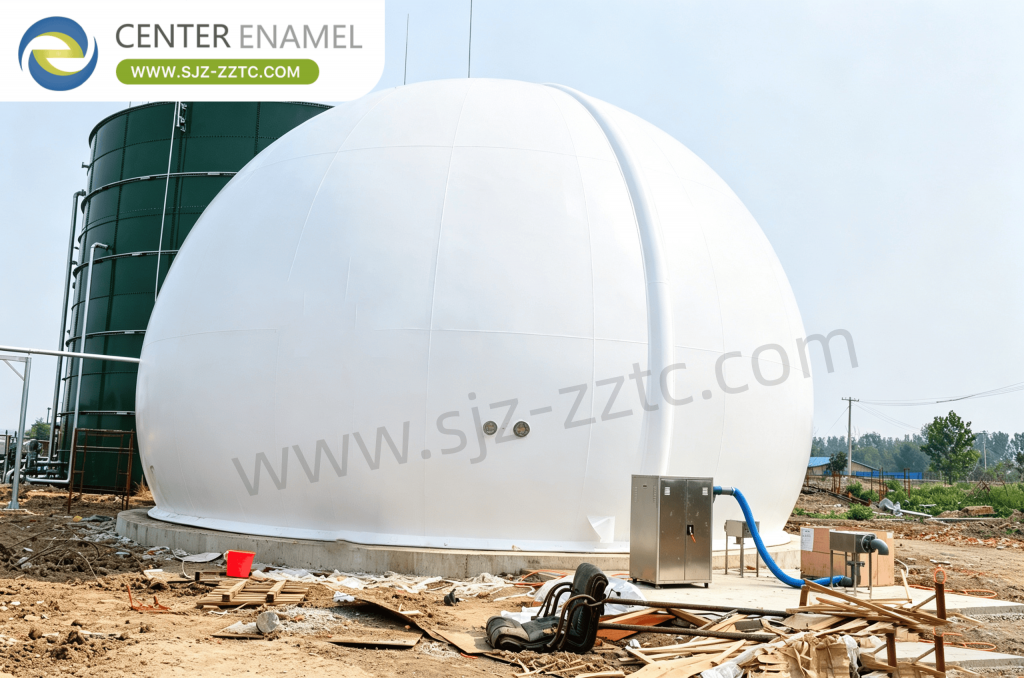
5. Center Enamel: Global Solution Provider for Biogas Projects
5.1 Company Positioning
Center Enamel (Shijiazhuang Zhengzhong Technology Co., Ltd.) is a comprehensive high-tech enterprise mainly engaged in wastewater treatment engineering, process section contracting, and equipment manufacturing. The company has strong technical strength and rich engineering experience. Center Enamel has long been engaged in general contracting of wastewater treatment projects in the fields of aquaculture, municipal wastewater, biogas engineering, and industrial wastewater, providing customers with comprehensive services such as engineering design, equipment manufacturing, and engineering construction.
In the course of the company's development, we have always been committed to the research, development, and innovation of wastewater treatment technology and equipment manufacturing technology, so as to effectively solve wastewater treatment problems in various industries. We can provide customers with customized wastewater treatment processes, covering high-concentration organic wastewater treatment fields such as medical, brewing, papermaking, kitchen waste, and landfill leachate. Relying on the two major equipment manufacturing fields of storage tank systems and modular equipment, we have gradually formed a product system centered on glass-lined steel storage tanks, enjoying a good reputation and occupying a high market share in the industry.
5.2 One-Stop Solution of Equipment + Process
We provide integrated one-stop solutions of GFS storage tanks matched with various anaerobic and aerobic processes. According to the project industry water quality and waste characteristics, we can match the corresponding process system and enamel assembled tank equipment. The applicable fields of each process are as follows:
CSTR: Suitable for biogas engineering, palm oil wastewater, and kitchen waste treatment projects
IC: Suitable for pharmaceutical wastewater, brewing wastewater, chemical wastewater, papermaking wastewater, dairy and beverage production wastewater
UASB: Suitable for aquaculture wastewater, brewing wastewater, textile wastewater, and beverage industry wastewater
EGSB: Suitable for chemical wastewater, textile wastewater, and brewing wastewater
MBR: Suitable for kitchen wastewater and landfill leachate treatment projects
A2O: Suitable for municipal wastewater treatment projects
USR: Suitable for palm oil wastewater, biogas engineering, kitchen waste, and aquaculture wastewater treatment
Relying on the advantages of GFS storage tank equipment, we can customize complete process section + tank equipment integration solutions for the above different industry scenarios, realizing one-stop implementation from process design, tank manufacturing to on-site installation and delivery.
6. 2 Biogas Case Studies
Malaysia Biogas Project
Design Inlet and Effluent Water Quality:
| Item | Parameter |
| Inlet water | COD ≥ 60000 mg/L; BOD ≤ 25000 mg/L |
| Effluent | COD ≥ 12000 mg/L; BOD ≤ 5000 mg/L |
Design Effective Volume & Digestibility:
| Item | Parameter |
| Single GFS tank | 5400 m³ (Ø24.46 × 12 m) |
| Total effective volume of 5 tanks | 27000 m³ |
| Digestibility | ≈ 80% |
Gas Production:
| Item | Parameter |
| Daily gas output of a single tank | Approx. 4400 m³ |
| Total daily gas output of 5 tanks | Approx. 22,000 m³ |
| Gas production rate | Removing per kilogram of COD produces about 0.45 m³ biogas |
Sri Lanka Palm Oil Wastewater Treatment Project
Installation date: 2026
Location: Sri Lanka
Daily treatment volume: 250 tonnes/day
Treatment Process: SBR
Reactor size: Φ24.46 × 6m, 2 sets
Wastewater inlet and outlet data:
Wastewater inlet data:
| Parameter | Measured Value |
| COD | 65,600 mg O₂ /L |
| BOD | 7,480 mg O₂ /L |
| TSS | 14,425 mg/L |
Discharge Standard:
| Parameter | Discharge Standard |
| COD | ≤ 400 mg O₂ /L |
| BOD | ≤ 250 mg O₂ /L |
| pH | 6.5 – 8.5 |
Conclution
Cassava processing waste is a high-organic-load, easily acidified but well-biodegradable excellent anaerobic fermentation raw material. Through the organic combination of CSTR process and GFS enamel assembled tanks, the problems of cassava waste fermentation acidification and high suspended solids clogging can be effectively solved, achieving stable gas production and environmental compliance. Relying on the advantages of GFS storage tank equipment and the integration capability of various anaerobic and aerobic processes, Center Enamel provides cassava processing enterprises with one-stop biogas solutions from solution design, tank manufacturing, installation and commissioning to operation and maintenance.
In the future, Center Enamel will continue to use the process + equipment integration model to help global organic solid waste and wastewater resource utilization and promote the development of a green, low-carbon circular economy.
Ready to turn your cassava processing waste into valuable biogas? Contact Center Enamel today for a customized one-stop solution—from process design and tank manufacturing to installation and lifelong O&M support.
FAQ
Q1: Why is cassava processing waste suitable for anaerobic fermentation to produce biogas?
A: Cassava processing waste (cassava pulp, cassava peels, processing wastewater) has the characteristics of high moisture content, high organic load, and good biodegradability, with B/C ratio generally above 0.5 and COD often exceeding 20,000 mg/L, making it an excellent anaerobic fermentation raw material. Its average methane content in anaerobic fermentation is about 50%–51%, with significant gas production potential.
Q2: What are the advantages of the CSTR process for treating cassava waste?
A: CSTR (Continuous Stirred Tank Reactor) keeps fermentation raw materials and microorganisms in a fully mixed state through a stirring device, avoiding stratification and improving the contact probability between materials and microorganisms. This process can handle raw materials with high suspended solids content, effectively alleviating the problems of easy acidification and clogging of cassava waste, and keeping the fermentation substrate concentration at a relatively low level, ensuring stable system operation.
Q3: What are the advantages of GFS enamel assembled tanks compared with ordinary storage tanks?
A: GFS enamel assembled tanks are made by fusing porcelain enamel and steel at high temperatures of 820°C to 930°C, forming an inert and inorganic bond, combining the strength and toughness of steel with the excellent corrosion resistance of glass. Compared with ordinary epoxy-coated or welded painted storage tanks, GFS tanks have superior corrosion resistance, sealing performance, and service life, and represent high-end coating technology in the storage tank market.
Q4: What services can Center Enamel provide for cassava processing enterprises?
A: Center Enamel can provide one-stop services from solution design, tank manufacturing, installation and commissioning to operation and maintenance. Relying on GFS enamel assembled tanks and matching CSTR, USR, and other biogas processes suitable for cassava waste, it specifically solves the problems of acidification and clogging in cassava waste fermentation, helping enterprises steadily convert cassava waste into biogas and achieve waste resource utilization and environmental compliance.
Q5: How long does it take from solution design to project implementation? Is later operation and maintenance complicated?
A: Center Enamel provides one-stop services from solution design, tank manufacturing, installation and commissioning to operation and maintenance. The process and equipment are uniformly matched, which can significantly shorten the docking and commissioning cycle. The specific implementation cycle depends on the project scale and site conditions. GFS enamel tanks are corrosion-resistant and anti-aging. Once the system is stable, daily operation and maintenance are simple, and long-term operating costs are low.