
How to Convert Waste into Biogas?
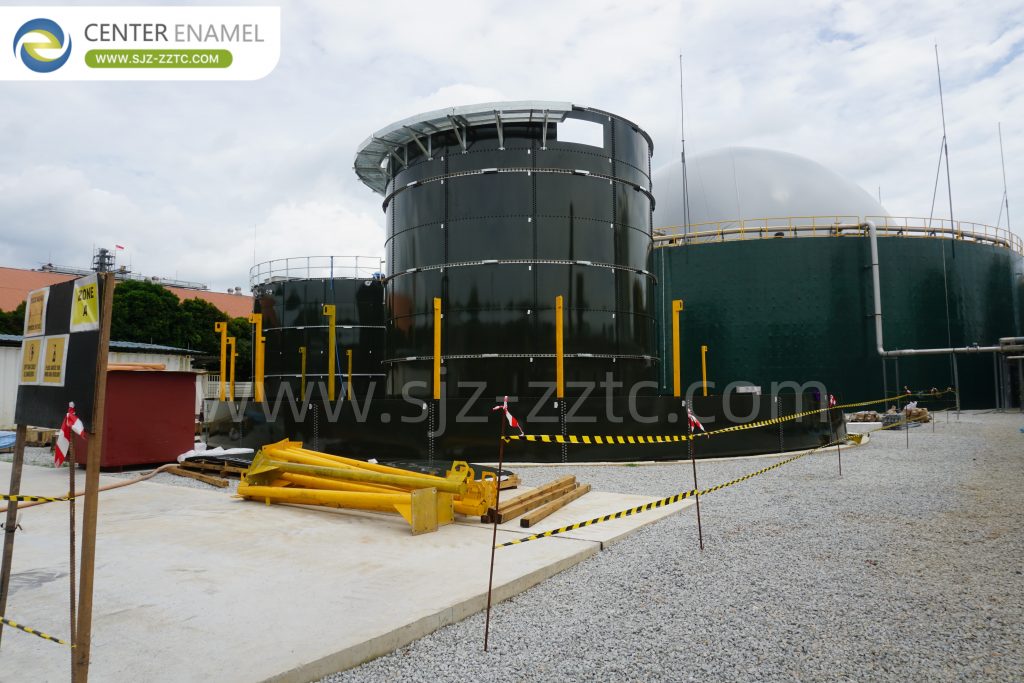
Biogas has become one of the most valuable renewable energy sources in the world, offering a perfect way to convert waste into clean energy. A wide range of organic waste, including agricultural straw, elephant grass, livestock manure, kitchen waste, food processing wastewater and cassava residues, can be recycled and transformed into biogas through professional biological treatment.
Converting waste into biogas not only solves environmental pollution caused by random waste stacking and discharge, but also produces usable methane for power generation, boiler heating and daily cooking. Meanwhile, the fermented biogas slurry and residue can be made into high-quality organic fertilizer, forming a closed-loop circular economy. Understanding how to convert waste into biogas helps farms, factories, rural communities and industrial parks achieve energy self-sufficiency, carbon reduction and sustainable development.
What Kinds of Waste Can Be Converted into Biogas?
Before learning the conversion process, it is essential to know which waste is suitable for biogas production. Only organic biodegradable waste can be used for anaerobic fermentation:
- Agricultural biomass: Pennisetum Purpureum, straw, corn stalks, sugarcane leaves
- Livestock waste: Cattle manure, pig manure, poultry droppings
- Municipal waste: Kitchen food waste, restaurant organic residues
- Industrial organic waste: Cassava processing wastewater, palm oil waste, food factory sewage
- Rural domestic organic garbage and crop residues
Inorganic waste such as plastic, metal, glass and stones cannot be decomposed and must be sorted out in advance. Proper waste classification is the first key step to efficiently convert waste into biogas.
Core Principle: Anaerobic Digestion
The core method to convert waste into biogas is anaerobic digestion. It is a natural biochemical reaction that occurs in an airtight, oxygen-free environment. Multiple groups of microorganisms decompose complex organic matter step by step and finally generate biogas composed mainly of methane and carbon dioxide.
The whole process is divided into four stable stages: hydrolysis, acidification, acetogenesis and methanogenesis. Each stage relies on different bacteria to complete degradation and conversion, ensuring continuous and stable biogas output.
Step-by-Step Process to Convert Waste into Biogas
1. Waste Collection and Preprocessing
First, collect organic waste uniformly and conduct pretreatment. Remove impurities, crush solid raw materials such as elephant grass and straw, and adjust moisture content and carbon-nitrogen ratio. Reasonable pretreatment avoids tank blockage, prevents scum floating, and creates the best fermentation environment for microorganisms.
2. Feeding into Anaerobic Fermentation Tank
The treated organic waste is transported into a sealed anaerobic reactor. The whole system keeps completely oxygen-free to ensure anaerobic bacteria survive and work normally. Constant temperature and regular stirring are maintained to accelerate microbial decomposition.
3. Four-Stage Anaerobic Fermentation
- Hydrolysis Stage: Hydrolytic bacteria break down macromolecular starch, fiber and protein into small-molecule sugars and amino acids.
- Acidification Stage: Simple organic substances are converted into volatile fatty acids, hydrogen and carbon dioxide.
- Acetogenesis Stage: Intermediate products are further decomposed into acetic acid, the key precursor for methane production.
- Methanogenesis Stage: Methanogenic bacteria convert acetic acid into biogas, containing 55%–70% methane and 30%–45% carbon dioxide.
4. Biogas Collection, Purification and Utilization
The generated biogas is collected from the top of the fermentation tank. After desulfurization, dehydration and purification, it can be used for:
- On-site power generation
- Industrial boiler fuel
- Rural domestic cooking and heating
- Raw material for compressed biomethane
5. Biogas Residue and Slurry Reuse
After fermentation, the remaining biogas residue and slurry are rich in nitrogen, phosphorus and organic matter. They can be directly processed into organic fertilizer for farmland and plantations, realizing full resource recycling of waste.
Benefits of Converting Waste into Biogas
- Environmental protection: Reduces waste piling, odor pollution, water pollution and greenhouse gas emissions.
- Energy saving: Replaces fossil fuels, eases power shortage and reduces energy costs.
- Economic income: Saves electricity and firewood costs; organic fertilizer reduces chemical fertilizer expenditure.
- Circular economy: Forms a sustainable model of “waste-fertilizer-planting-breeding”.
- Policy compliance: Helps enterprises and farms meet environmental discharge standards and obtain renewable energy policy support.
Four Core Anaerobic Technologies by Center Enamel
To help customers efficiently convert waste into biogas, Center Enamel provides four mature anaerobic technologies suitable for different waste types and project scales:
CSTR Process (Completely Stirred Tank Reactor): Perfect for high-solid raw materials such as Pennisetum Purpureum, crop straw and kitchen waste. Mechanical full stirring prevents scum and sediment, ensures stable fermentation and high biogas yield, ideal for large centralized biogas projects.
UASB Process (Upflow Anaerobic Sludge Blanket): Suitable for low-solids organic wastewater from food factories, starch mills and palm oil plants. It features low operating cost, high treatment efficiency and stable running performance.
USR Process (Upflow Solids Reactor): Simple structure, low investment and easy maintenance. It is the best choice for scattered rural small biogas projects and decentralized waste treatment.
IC Process (Internal Circulation Reactor): Adopts biogas-driven internal circulation, with 3–5 times higher load than traditional reactors. It saves construction land and suits industrial zones with limited site space.
Advantages of GFS Tanks for Biogas Projects
Glass-Fused-to-Steel (GFS) Tanks are the core facility for waste-to-biogas projects, with irreplaceable strengths:
- Excellent corrosion resistance, resisting pH 1–14 acid and microbial erosion.
- Strong adaptability to high temperature, heavy rain, high humidity and UV aging in tropical regions.
- Superior airtight structure prevents biogas leakage and improves fermentation efficiency.
- Service life over 30 years with low maintenance cost, far better than concrete tanks.
- Factory prefabricated, bolted installation, short construction period and easy later expansion.
Why Choose Center Enamel as Biogas Project EPC Contractor
- Customizes anaerobic process solutions according to local waste characteristics, climate and project scale.
- Owns more than 200 enamel patents and Asia’s largest GFS tank production base.
- Complies with ISO 28765, AWWA D103, CE international standards, with strict high-voltage spark quality testing.
- Rich engineering experience in Southeast Asia, South Asia, Europe and other regions, familiar with local policies and construction conditions.
- Provides one-stop turnkey services including design, manufacturing, installation, commissioning and lifelong after-sales support.
Converting waste into biogas is a practical, eco-friendly and profitable way to realize waste recycling, clean energy production and ecological protection. Through standardized pretreatment, anaerobic digestion, biogas purification and residue reuse, all kinds of organic waste can be turned into valuable green resources. With four professional anaerobic technologies, high-performance GFS Tanks and mature global EPC experience, Center Enamel offers reliable full-chain solutions for waste-to-biogas projects worldwide, helping more regions achieve carbon neutrality, circular economy and sustainable green development.