
How to Generate Electricity from Cow Dung? Modern Biogas Power Solutions
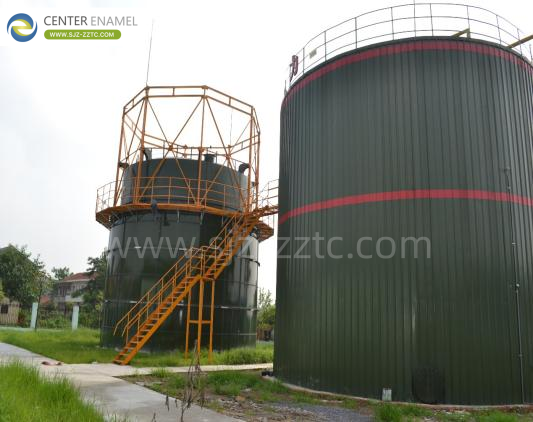
Generating electricity from cow dung is an increasingly viable solution for sustainable energy production and agricultural waste management. By harnessing advanced Biogas Technology with GFS Tanks and the CSTR Process, farmers and energy producers can transform livestock waste into reliable, renewable electricity.
The Potential of Cow Dung as an Energy Source
Cow dung represents an abundant and renewable resource for electricity generation. An adult cow typically produces 28.4-48.1 kg of manure daily, containing valuable organic matter that can be converted into energy . Research demonstrates that cow dung has significant potential for electricity production, with studies showing that the homogeneous mixture of food waste and cow dung can produce up to 600 kW of electricity per day . The anaerobic digestion of cow dung at 50°C can produce 171.12 L of methane daily within just 15 days, demonstrating substantial energy generation capacity .
The Science of Generating Electricity from Cow Dung
Generating electricity from cow dung involves a multi-stage process centered on anaerobic digestion. This biological process breaks down organic matter in an oxygen-free environment through four key stages: hydrolysis, acidogenesis, acetogenesis, and methanogenesis . During these stages, specialized microorganisms convert complex organic compounds into methane-rich biogas containing 50-65% methane . The resulting biogas serves as fuel for electricity generation through combined heat and power (CHP) systems. Studies confirm that anaerobic digestion of dairy manure can produce significant energy while preventing substantial carbon dioxide emissions, with a well-designed system capable of generating 352 kWe of electricity from 250 tons of manure daily .
The CSTR Process: Core Technology for Power Generation
The CSTR Process (Continuous Stirred-Tank Reactor) is the preferred anaerobic technology for cow dung-based electricity generation. This system features a mechanical stirring device that ensures complete mixing of feedstock and microorganisms within a sealed tank . Continuous feeding at a constant temperature maintains stable fermentation conditions, preventing scum formation and sediment accumulation. The CSTR Process effectively handles high-suspended-solids organic waste, delivering consistent and reliable biogas yields with simple operation and management. Research shows that CSTR systems can achieve methane content of 71.1% in biogas when optimized, leading to specific methane yields 42.5% higher than conventional systems .
GFS Tanks: Essential Infrastructure for Biogas Power
GFS Tanks (Glass-Fused-to-Steel) provide critical infrastructure for biogas-based electricity generation. Manufactured by fusing glass enamel to steel at 820°C-930°C, these tanks create an inert, corrosion-resistant bond that withstands the acidic environment of anaerobic digestion . The glass coating resists hydrogen sulfide and organic acids that would corrode unprotected steel, ensuring a service life exceeding 30 years with minimal maintenance . The modular bolted design allows rapid on-site assembly, making GFS Tanks suitable for remote agricultural regions. Key features include ultimate corrosion resistance against chemical attack, superior gas-tightness ensuring safe biogas containment, and lower lifetime cost compared to alternative containment systems .
Complete Biogas Power Generation Equipment
A comprehensive cow dung-to-electricity system requires supporting equipment beyond the digester tank:
Pre-treatment Equipment: Homogenization tanks and mixing systems create a pumpable slurry with optimal consistency for digestion. Screening equipment removes large impurities that could damage downstream equipment.
Biogas Purification Systems: Dehydration and desulfurization tanks remove moisture and corrosive hydrogen sulfide from raw biogas. Research confirms that effective purification using iron sponge beds, cooling systems, and activated carbon filters ensures biogas meets CHP specifications . Pressure Swing Adsorption (PSA) systems can achieve methane recovery efficiency of 75% and purge efficiency of 97% .
Combined Heat and Power (CHP) Units: Biogas is fed into CHP engines or microturbines coupled with permanent magnet synchronous generators to produce electricity . Microturbine systems have been tested successfully for both steady-state and transient modes of operation, maintaining stable sinusoidal waveforms under load variations from 25 kW to 40 kW .
Gas Holders and Torch Systems: Gas holders ensure stable biogas storage and pressure regulation for consistent energy supply. Torch systems safely flare excess biogas during periods of overproduction.
Digestate Management: Solid-liquid separators process the remaining digestate into solid fertilizer and liquid nutrients, creating a circular economy where waste becomes both energy and agricultural input.
Step-by-Step Process for Electricity Generation
Generating electricity from cow dung follows a systematic process:
Step 1: Collection and Pre-treatment – Cow dung is collected and mixed with water to create a pumpable slurry. The mixture is homogenized to ensure consistent composition for stable digestion.
Step 2: Anaerobic Digestion – The prepared slurry enters the digester where the CSTR Process maintains complete mixing at optimal temperature (mesophilic 30-40°C or thermophilic 50-55°C) . Microorganisms break down organic matter, producing biogas containing methane, carbon dioxide, and trace gases.
Step 3: Biogas Purification – Raw biogas undergoes dehydration to remove moisture and desulfurization to remove corrosive hydrogen sulfide. Advanced purification systems can achieve methane purity suitable for efficient power generation .
Step 4: Electricity Generation – Purified biogas is supplied to CHP engines or microturbines coupled with generators. The system converts the chemical energy of methane into mechanical energy, then into electrical energy . Research shows that biogas-fueled generators can achieve up to 84% efficiency for rural power applications .
Step 5: Heat Recovery – Waste heat from electricity generation can be captured and reused to maintain digester temperature, improving overall system efficiency . Studies demonstrate that approximately 254 kW of heat can be recovered for this purpose .
Economic and Environmental Benefits
Generating electricity from cow dung offers substantial environmental and economic advantages. A medium-scale plant processing 250 tons of manure daily can avoid the release of 3,439 tons of fossil-derived CO2 annually while reducing water consumption by 10 tons per day through internal recycling . Economic analysis shows payback periods of 7.22 years (static) and 9.18 years (dynamic) for well-designed systems, demonstrating financial viability . Cow dung mixing with other organic wastes enhances bacterial activity, increasing methane production and electricity generation efficiency . The Levelized Cost of Energy (LCOE) for biogas systems can be as low as €0.19 kWh⁻¹, making them competitive with conventional energy sources .
Center Enamel: Global Leader in Biogas Power Solutions
Center Enamel has established itself as a premier provider of biogas power solutions with over three decades of international experience. Operating from a 150,000㎡ R&D and production base, Center Enamel delivers comprehensive EPC services from feasibility studies and custom process design to manufacturing, installation, and final commissioning . All products meet international standards including ISO9001, CE/EN1090, and NSF61. The company has successfully executed projects across more than 100 countries, including the Sweden Biogas Project completed in November 2024 featuring a 5,504 m³ GFS tank for renewable energy storage , the France Biogas Project completed in 2021 with a 2,752 m³ GFS tank , and large-scale dairy wastewater treatment projects for Mengniu Group in China . Center Enamel provides full EPC service, international certifications, customized solutions for specific project requirements, and rigorous quality assurance at every stage.
Conclusion
Generating electricity from cow dung through anaerobic digestion using GFS Tanks and the CSTR Process offers a proven, sustainable solution for renewable energy production and waste management. This approach transforms an environmental liability into a valuable energy resource while reducing greenhouse gas emissions and producing nutrient-rich fertilizer. Center Enamel's comprehensive biogas solutions enable farmers and communities worldwide to implement effective cow dung-to-electricity systems, contributing to sustainable agriculture and renewable energy goals.
Frequently Asked Questions
Q1: How much electricity can be generated from cow dung?
A: Research shows that 250 tons of dairy cow manure daily can generate 352 kWe of electricity . Studies demonstrate that optimized mixtures of organic waste with cow dung can produce up to 600 kW of electricity daily , demonstrating significant power generation potential.
Q2: What equipment is needed to generate electricity from cow dung?
A: A complete system requires anaerobic digesters (CSTR Process), GFS Tanks for containment, biogas purification systems (dehydration and desulfurization units), Combined Heat and Power (CHP) generators, gas holders, solid-liquid separators, and torch systems for flaring excess gas .
Q3: How long do GFS Tanks last in biogas power generation applications?
A: GFS Tanks have a proven service life exceeding 30 years due to their corrosion-resistant glass-fused-to-steel coating, which withstands the acidic anaerobic digestion environment without requiring internal recoating or frequent maintenance .