
How to Generate Power from Biogas: CHP, Biomethane & Equipment Guide
The transition to renewable energy has elevated biogas from a simple waste treatment byproduct to a versatile energy resource. Biogas is produced through anaerobic digestion-a natural process where microorganisms break down organic matter in the absence of oxygen. Common feedstocks include animal manure, agricultural residues, food processing waste, sewage sludge, and municipal organic waste. The resulting raw biogas consists primarily of methane (50%–70%) and carbon dioxide (30%–40%), along with trace amounts of hydrogen sulfide and water vapor.
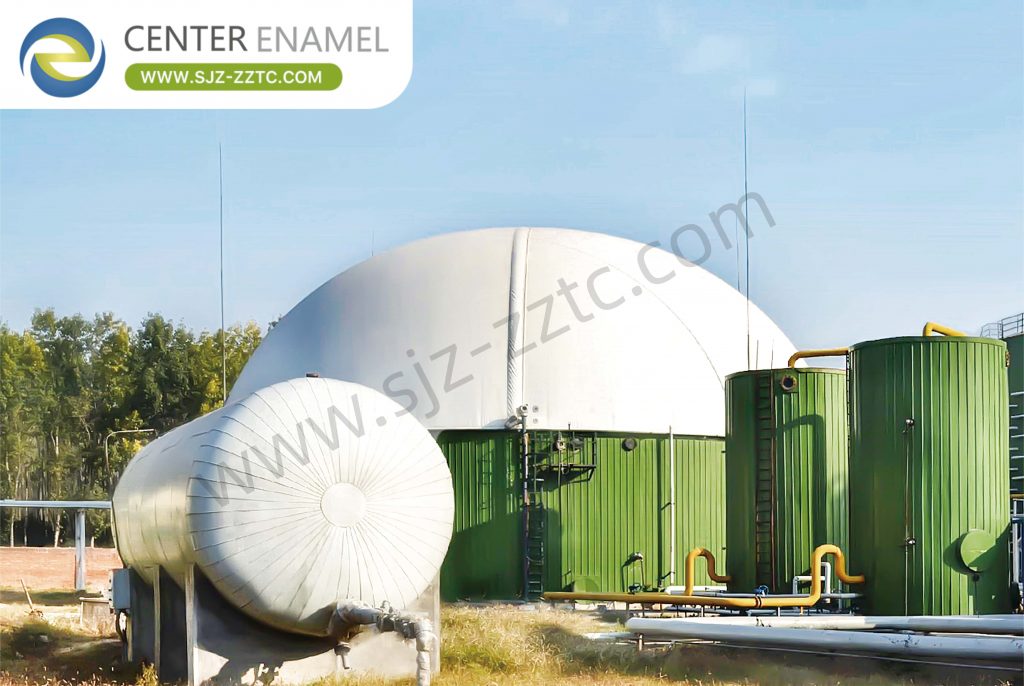
While direct combustion is the simplest utilization method, medium and large-scale biogas projects increasingly turn to power generation and cogeneration (CHP) to maximize energy recovery and economic returns. This guide explores the full process-from biogas production to electricity, heat, and biomethane-and the equipment required to make it happen.
How Biogas is Produced: Feedstocks and Process
Biogas generation begins with anaerobic digestion. Organic materials are fed into a digester, where bacteria decompose them over several weeks. The process produces biogas, which is captured and stored in a gas holder before being sent for purification.
Typical Feedstocks for Medium-Scale Projects:
Livestock manure (pig, cattle, poultry)
Agricultural residues (straw, stalks, crop waste)
Food and beverage processing waste
Sewage sludge and municipal organic waste
Raw biogas contains corrosive hydrogen sulfide and water vapor, which must be removed before it can be used in engines or upgraded to biomethane. The purification train typically includes desulfurization, dehydration, and particulate removal.
Biogas Power Generation: Turning Gas into Electricity
The most common utilization pathway for medium-scale biogas projects is power generation. Purified biogas is fed into a gas internal combustion engine, gas turbine, or dedicated biogas generator set. The engine drives an alternator to produce electricity, which can be:
Sold to the grid through a feed-in tariff or power purchase agreement.
Used on-site to power the facility, reducing purchased electricity costs.
Biogas generators are available in various capacities, from small containerized units to large multi-megawatt installations. They are designed to handle the specific calorific value and composition of biogas, ensuring stable and efficient operation.
Combined Heat and Power (CHP): Maximizing Energy Efficiency
Combined Heat and Power (CHP), also known as cogeneration, is the mainstream model for large-scale biogas projects. In a CHP system, the biogas generator produces electricity while simultaneously capturing waste heat from:
Engine jacket water (cylinder cooling system)
Exhaust gas (flue gas heat)
This recovered heat is used to produce hot water or steam for:
Heating the anaerobic digester (maintaining optimal temperature)
Space heating for buildings and greenhouses
Industrial process heat
District heating networks
With CHP, the overall thermal efficiency can exceed 80%, compared to 35–40% for electricity-only generation. This dramatically improves project economics and reduces primary energy waste.
Comparison: Power Generation vs. CHP
| Parameter | Electricity-Only Generation | Combined Heat and Power (CHP) |
| Primary Output | Electricity | Electricity + Useful Heat |
| Overall Efficiency | 35%–40% | 80%+ |
| Waste Heat | Released to environment | Recovered and utilized |
| Best For | Grid sale or on-site power | Digester heating, industrial heat, district heating |
| Economic Return | Moderate | High (dual revenue streams) |
Biogas Upgrading to Biomethane: Grid Injection and CNG/LNG
For projects with access to natural gas infrastructure or vehicle fuel markets, biogas can be upgraded to biomethane (also called renewable natural gas, RNG). The upgrading process removes carbon dioxide, residual hydrogen sulfide, water vapor, and particulates to meet national natural gas standards.
The purified biomethane can be:
Injected into the municipal gas grid for residential and industrial use.
Compressed into CNG (Compressed Natural Gas) for use as vehicle fuel in buses, logistics trucks, and agricultural machinery.
Liquefied into LNG (Liquefied Natural Gas) for long-distance transport or heavy-duty vehicles.
This pathway is particularly attractive for projects located near gas pipelines or fleet operators seeking to decarbonize their fuel supply.
Key Equipment in Biogas Power & Upgrading Systems
| Equipment | Function |
| Gas Holder | Stores raw or purified biogas, buffering supply fluctuations |
| Desulfurization Unit | Removes H₂S to protect engines and meet gas quality standards |
| Dehydration Unit | Removes water vapor to prevent corrosion and improve combustion |
| Booster Fan | Pressurizes gas for downstream engines or upgrading units |
| Biogas Generator Set | Converts biogas into electricity (and heat in CHP mode) |
| Waste Heat Recovery System | Captures jacket water and exhaust heat for thermal use |
| Biogas Upgrading Unit | Removes CO₂ and impurities to produce biomethane |
| CNG/LNG Compression System | Compresses or liquefies biomethane for transport and fuel use |
| Flow Meter | Measures gas flow for process control and billing |
| Torch (Flare) System | Safely burns excess or emergency gas |
Applications and Benefits of Biogas Power & Cogeneration
Biogas power generation and CHP offer multiple revenue streams and environmental benefits. Electricity can be sold to the grid or used on-site, while recovered heat reduces fuel costs for heating and processes. Biomethane production opens additional markets, including gas grid injection and vehicle fuel.
Key Benefits:
Dual Revenue: Electricity sales plus heat utilization or biomethane sales.
High Efficiency: CHP systems achieve over 80% overall efficiency.
Waste Reduction: Converts organic waste into clean energy and fertilizer.
Carbon Savings: Replaces fossil fuels and reduces methane emissions.
Energy Independence: On-site power and heat reduce reliance on external suppliers.
Why Choose Center Enamel for Your Biogas & CNG Project?
Choosing the right partner is critical for the success of any biogas power or biomethane project. Center Enamel is a leading CNG engineering solution provider, specializing in the design and supply of complete biogas upgrading and compression systems. We offer a one-stop solution that integrates process design, equipment manufacturing, and system commissioning-eliminating the need to coordinate with multiple suppliers.
From gas purification and desulfurization to biomethane upgrading and CNG compression, Center Enamel delivers fully integrated systems tailored to your project's scale and output requirements. Our team ensures every component-from the gas holder to the CNG dispenser-works seamlessly together for reliable, efficient operation.
Ready to turn your biogas into electricity, heat, or vehicle fuel? Contact Center Enamel today for a customized biogas power and CNG solution.
Reach out to our engineering team now to discuss your project requirements and receive a free technical consultation.
Frequently Asked Questions (FAQ)
Q1: What is the difference between biogas power generation and CHP?
A: Biogas power generation produces electricity only, with waste heat released into the environment. CHP (Combined Heat and Power) captures both electricity and waste heat from the engine jacket and exhaust, achieving overall thermal efficiency of over 80%. CHP is the preferred model for medium and large-scale biogas projects.
Q2: Can biogas be used as vehicle fuel?
A: Yes. After upgrading to remove CO₂, sulfur, and moisture, biogas becomes biomethane, which can be compressed into CNG or liquefied into LNG. This renewable fuel can power buses, logistics trucks, and agricultural machinery, reducing reliance on fossil diesel.
Q3: What equipment is needed to upgrade biogas to pipeline-quality biomethane?
A: The upgrading process typically requires desulfurization, dehydration, particulate removal, and CO₂ separation. Additional compression equipment is needed for grid injection or CNG/LNG production. Center Enamel provides complete, integrated upgrading and compression systems.
Center Enamel - Your One-Stop Partner for Biogas Power Generation and CNG Solutions.