
How to Make Biogas Electricity: A Complete Guide to Biogas Power Generation
With increasing global demand for renewable energy, biogas electricity generation has become an attractive solution for farms, factories, wastewater treatment facilities, and organic waste management projects. By converting biodegradable materials into methane-rich gas, biogas systems can generate electricity while making better use of organic resources.
But how to make biogas electricity?
The process involves several important stages: collecting organic feedstock, producing biogas through anaerobic digestion, removing impurities from the gas, and supplying the purified fuel to a biogas generator. The generator then converts the chemical energy of methane into electrical energy.
Unlike solar and wind power, biogas electricity generation can operate continuously when sufficient feedstock and appropriate operating conditions are available. It can also recover useful heat through combined heat and power (CHP) technology.
In this guide, we will explain how biogas is converted into electricity, what equipment is required, and how to build an efficient biogas power generation system.
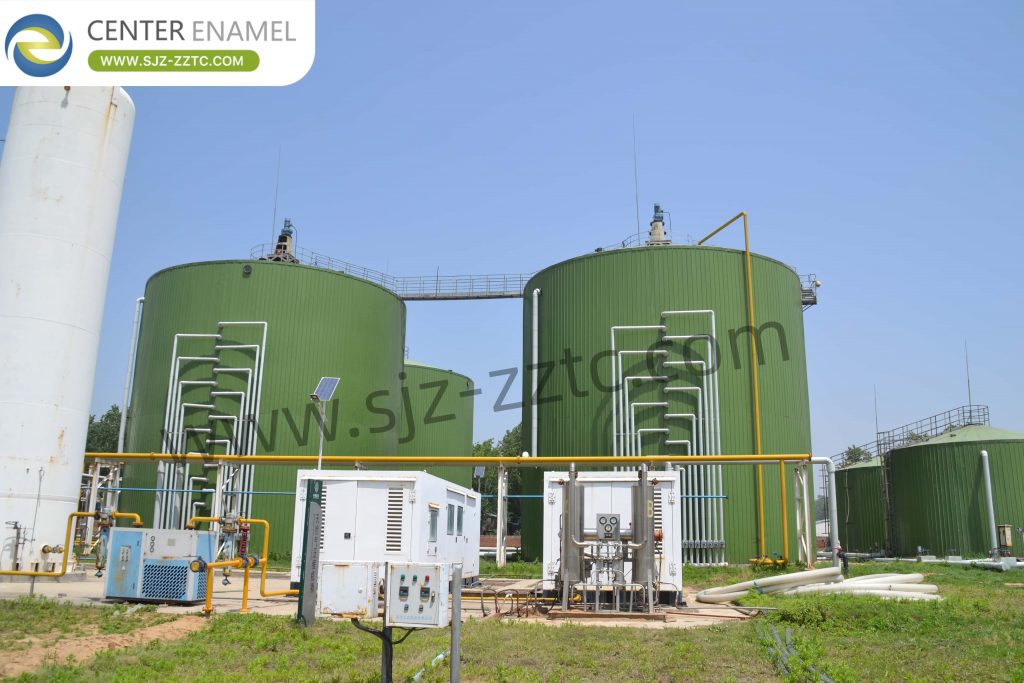
What Is Biogas Electricity Generation?
Biogas electricity generation is the process of using methane-rich biogas as fuel to operate an engine or other power generation equipment.
Biogas is produced when microorganisms break down organic materials in an oxygen-free environment. Common feedstocks include:
Animal manure from cattle, pigs, and poultry.
Food waste from restaurants and food processing facilities.
Agricultural residues and crop waste.
Organic municipal waste.
Sewage sludge and wastewater treatment residues.
Energy crops and other biodegradable biomass.
Biogas generally contains approximately 50–75% methane, with most of the remaining gas consisting of carbon dioxide and smaller quantities of other compounds.
Methane is the main component responsible for its energy value.
When biogas is supplied to a suitable generator, methane is burned to produce mechanical energy. This energy drives an electrical generator, which converts mechanical rotation into electricity.
The electricity can be used to operate industrial equipment, agricultural machinery, lighting, pumps, and other electrical systems. Depending on local regulations and grid connection requirements, surplus electricity may also be exported to the power grid.
How Does Biogas Generate Electricity?
The basic principle of biogas power generation is converting chemical energy into mechanical energy and then into electrical energy.
The process can be divided into four main steps.
Step 1: Biogas Production
Organic waste is fed into an airtight anaerobic digester. Microorganisms break down biodegradable organic matter and produce biogas containing methane.
Step 2: Biogas Collection and Treatment
The generated gas is collected and passed through gas treatment equipment. Moisture, hydrogen sulfide, and other contaminants are removed or reduced to protect downstream equipment.
Step 3: Fuel Combustion and Mechanical Power Generation
The treated biogas enters a specially designed gas engine. Methane combustion releases energy, causing the engine to operate and rotate its output shaft.
Step 4: Electricity Generation
The engine drives an alternator or electrical generator. Electromagnetic induction converts mechanical rotation into electrical power.
The generated electricity passes through electrical control and protection equipment before being supplied to the facility or connected to the grid.
This process makes it possible to transform organic waste into a practical and renewable source of electricity.
Step-by-Step: How to Make Biogas Electricity
To produce electricity from biogas, a complete system must integrate waste treatment, gas production, gas purification, and power generation.
Here are the main steps.
Step 1: Collect and Prepare Organic Materials
The first step is selecting suitable organic feedstock.
Animal manure, food waste, agricultural residues, and organic industrial waste are commonly used in biogas plants.
Depending on the feedstock, preparation may include sorting, crushing, shredding, mixing, and adjusting the moisture content.
Removing plastics, stones, metals, and other contaminants is important for protecting pumps, pipes, and digestion equipment.
Step 2: Feed Organic Materials into the Anaerobic Digester
Prepared organic materials are transferred into an airtight digestion tank.
Inside the digester, microorganisms decompose organic matter without oxygen. Stable temperature, pH, nutrient balance, and organic loading conditions help maintain microbial activity.
Step 3: Produce and Collect Biogas
As anaerobic digestion continues, methane-rich biogas accumulates inside the digester or gas collection system.
The gas is directed through pipelines into a gas holder or storage system.
Step 4: Purify the Biogas
Raw biogas contains moisture, hydrogen sulfide, and other impurities.
A gas treatment system removes these contaminants to improve fuel quality and protect the generator.
Step 5: Supply Biogas to the Generator
After appropriate treatment, biogas is delivered to a compatible gas engine at the required pressure and flow rate.
The engine burns methane to produce mechanical power.
Step 6: Generate and Distribute Electricity
The engine drives an electrical generator to produce electricity.
Control panels, transformers, circuit breakers, and protection systems manage electrical output and ensure safe power distribution.
This complete process forms the foundation of a commercial biogas-to-electricity project.
What Equipment Is Needed to Generate Electricity from Biogas?
A biogas electricity generation system requires several types of equipment working together.
1. Feedstock Preparation Equipment
This equipment prepares organic waste before digestion. Depending on the material, it may include shredders, crushers, mixers, screening machines, and feeding pumps.
2. Anaerobic Digester
The digester is the main biological processing unit. It provides an oxygen-free environment where microorganisms convert organic matter into biogas.
3. Biogas Storage System
A gas holder or storage tank temporarily stores produced biogas and helps balance gas supply with generator demand.
4. Biogas Purification System
Gas treatment equipment removes moisture, hydrogen sulfide, and other contaminants. Depending on gas quality and equipment requirements, additional treatment may be necessary.
5. Biogas Generator Set
The generator set is the core electricity production equipment. It typically consists of a gas engine, alternator, cooling system, lubrication system, and control equipment.
6. Electrical Control System
Electrical equipment manages generator operation, voltage, frequency, protection, and power distribution.
7. Digestate Treatment Equipment
Digestate is the remaining material after anaerobic digestion. Solid-liquid separation and further treatment may be used to support appropriate nutrient recovery and disposal or utilization.
Selecting properly matched equipment is essential for achieving stable operation and reliable electricity production.
Why Is Biogas Purification Important Before Power Generation?
Biogas purification is a critical step in electricity generation because raw biogas contains substances that can damage engines and reduce equipment reliability.
The main impurities include:
Hydrogen Sulfide (H2S)
Hydrogen sulfide is corrosive and can contribute to engine wear and damage to metal components. Removing or reducing it helps protect the generator and exhaust system.
Water Vapor
Moisture can condense inside pipelines and equipment, causing corrosion, operational problems, and inconsistent gas delivery.
Carbon Dioxide (CO2)
Carbon dioxide does not provide useful combustion energy. High concentrations reduce the methane content and heating value of biogas.
Siloxanes and Other Trace Contaminants
Certain feedstocks, particularly sewage sludge and some industrial organic wastes, may introduce siloxanes and other trace compounds. These can create deposits or damage engine components during combustion.
For conventional biogas engine generators, gas conditioning generally focuses on moisture removal and hydrogen sulfide reduction. Additional purification depends on the feedstock, gas composition, and generator manufacturer's requirements.
It is important to understand that complete carbon dioxide removal is not always necessary for electricity generation. Raw biogas can be used directly in suitable equipment after appropriate conditioning, while more extensive upgrading is typically required when producing biomethane for natural gas applications.
How to Choose the Right Biogas Generator?
Choosing the right generator is one of the most important decisions in a biogas electricity project.
A generator that is too small may not utilize the available gas effectively, while an oversized unit may operate inefficiently or experience unstable operation.
Consider the following factors.
Biogas Production Capacity
Calculate the expected daily and hourly biogas production before selecting generator capacity.
The generator must match the actual gas flow rate and methane content.
Methane Concentration
Methane concentration affects the heating value of biogas. A lower methane concentration means more gas volume may be required to produce the same electrical output.
Required Electrical Output
Determine the electricity demand of the facility, including pumps, mixers, lighting, processing machinery, and other equipment.
Operating Conditions
Consider ambient temperature, installation environment, operating hours, cooling requirements, and maintenance accessibility.
Generator Efficiency
Electrical efficiency indicates how much of the fuel's energy is converted into electricity. A CHP system can also recover useful heat, improving overall energy utilization.
Maintenance and After-Sales Support
Regular servicing, spare parts availability, and technical support are important for long-term generator reliability.
A professional supplier should evaluate gas production, fuel quality, and electrical demand before recommending a suitable biogas generator.
How Much Electricity Can Biogas Produce?
The electricity generated from biogas depends mainly on methane concentration, gas production volume, and generator efficiency.
A practical estimation method is:
Electricity Output (kWh) = Biogas Volume (m3) × Methane Fraction × Methane Energy Content (kWh/m3) × Electrical Efficiency
For a simplified example, assume:
Daily biogas production: 100 m3.
Methane concentration: 60%.
Methane energy content: approximately 9.97 kWh/m3.
Generator electrical efficiency: 35%.
The estimated electricity generation is:
100 × 0.60 × 9.97 × 0.35 = 209.37 kWh per day.
Therefore, 100 m3 of biogas with 60% methane could theoretically generate approximately 209 kWh of electricity under these assumed conditions.
This is an illustrative calculation, not a guaranteed production figure. Actual output depends on gas quality, generator performance, operating conditions, and parasitic energy consumption.
For accurate project planning, a professional feasibility assessment should evaluate the expected feedstock supply, methane yield, generator efficiency, and plant energy demand.
What Is a Biogas CHP System?
A biogas combined heat and power system, commonly known as CHP, generates electricity and recovers useful heat from the same fuel.
In a conventional biogas generator, methane is burned inside an engine to produce mechanical power. Some of the fuel energy is converted into electricity, while a substantial portion is released as heat through engine cooling and exhaust systems.
A CHP system captures part of this otherwise wasted heat.
Recovered heat can be used for:
Heating the anaerobic digester.
Providing hot water for industrial processes.
Heating agricultural buildings.
Supporting food processing operations.
Supplying other suitable thermal applications.
By utilizing both electricity and heat, CHP technology can improve the overall energy efficiency of a biogas project.
It is particularly suitable for farms, factories, wastewater treatment plants, and industrial facilities that have continuous electricity and heating requirements.
What Are the Advantages of Biogas Electricity Generation?
Biogas power generation offers several environmental and economic advantages.
1. Renewable Electricity Production
Biogas converts biodegradable organic materials into electricity, providing an alternative to conventional fossil fuel-based power generation.
2. Organic Waste Management
Agricultural waste, animal manure, food waste, and other suitable organic materials can be processed instead of being disposed of without energy recovery.
3. Continuous Power Generation
Unlike weather-dependent renewable energy sources, biogas generators can operate according to available fuel supply and electricity demand.
4. Reduced Dependence on Grid Electricity
Businesses and agricultural facilities can use biogas electricity to meet part of their own energy requirements.
5. Useful Heat Recovery
CHP technology makes it possible to use recovered heat for industrial processes and digester heating.
6. Digestate Utilization
The remaining digestate may be processed into nutrient-rich soil amendments or fertilizers when it meets applicable quality and regulatory requirements.
These benefits make biogas electricity an attractive option for integrated waste management and renewable energy projects.
Is Biogas Electricity Generation Suitable for Commercial Projects?
Yes. Biogas electricity generation can be used in small, medium, and large-scale commercial projects.
Common applications include:
Dairy farms and livestock facilities.
Food processing factories.
Municipal wastewater treatment plants.
Organic waste treatment centers.
Agricultural cooperatives.
Industrial facilities with biodegradable waste streams.
However, commercial project success depends on more than generator selection.
Investors should evaluate feedstock availability, daily biogas production, methane concentration, pretreatment requirements, equipment investment, maintenance expenses, and local electricity prices.
Grid-connected projects also need to comply with applicable electrical interconnection, permitting, and safety requirements.
A complete biogas power plant should integrate feedstock preparation, anaerobic digestion, gas storage, gas purification, generator equipment, electrical control, and digestate management.
With appropriate system design, biogas can provide a practical energy solution while improving organic waste utilization.
Conclusion
Making electricity from biogas involves converting organic waste into methane-rich fuel through anaerobic digestion and using that gas to operate an electrical generator.
The essential process includes feedstock preparation, anaerobic digestion, biogas collection, gas purification, generator operation, and electricity distribution.
Selecting suitable organic materials, maintaining stable digestion conditions, and ensuring proper gas treatment are important for achieving reliable electricity production.
For farms, factories, and waste management facilities, biogas power generation offers an opportunity to transform organic waste into useful electricity and heat.
By choosing the right biogas equipment and integrating an efficient power generation system, businesses can develop a more sustainable and resource-efficient energy solution.
Frequently Asked Questions (FAQ)
1. Can biogas be used directly to generate electricity?
Yes. Biogas can fuel specially designed gas engines connected to electrical generators. However, raw biogas generally requires appropriate conditioning, especially moisture removal and hydrogen sulfide reduction, to protect the engine and maintain reliable operation.
2. How much biogas is needed to generate 1 kWh of electricity?
The required amount depends on methane concentration and generator electrical efficiency. For example, with 60% methane and 35% electrical efficiency, approximately 0.48 m3 of biogas is theoretically required to generate 1 kWh of electricity. Actual consumption may be higher depending on equipment performance and operating conditions.
3. What equipment is required for a biogas power plant?
A typical biogas power plant includes feedstock preparation equipment, an anaerobic digester, a gas holder, a biogas purification system, a biogas generator set, electrical control equipment, and digestate treatment facilities. The specific configuration depends on project capacity and feedstock characteristics.
Contact Us for Biogas Electricity Generation Solutions
Are you planning to convert agricultural waste, animal manure, or organic industrial waste into electricity? Contact our professional team to explore customized biogas generators and complete biogas power plant solutions.
Get in touch with us today to discuss your project capacity, feedstock requirements, and energy goals. Our team can help you identify suitable equipment and develop an efficient biogas-to-electricity system.