
How to Produce Biogas from Pig Manure? A Complete Step-by-Step Guide
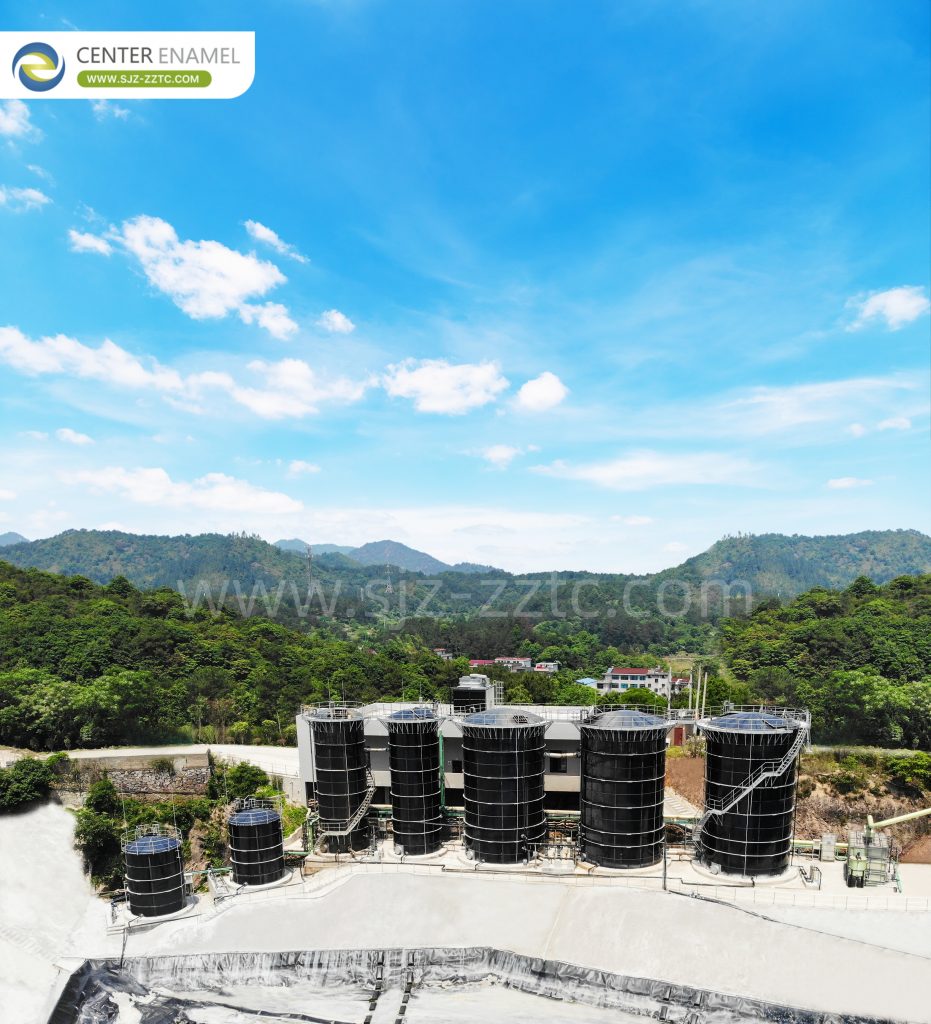
Producing biogas from pig manure is a proven and sustainable method for converting livestock waste into renewable energy. This guide explains the complete process—from feedstock preparation to advanced anaerobic digestion—and introduces the essential equipment and professional solutions for successful biogas projects.
What Is Biogas and Why Produce It from Pig Manure?
Biogas is a combustible gas mixture primarily composed of methane (55–85%) and carbon dioxide, produced when organic matter decomposes in an oxygen-free environment. Pig manure is an excellent feedstock for biogas production because it is rich in organic matter and contains naturally occurring methane-producing bacteria. Producing biogas from pig manure offers multiple benefits: it reduces odor, eliminates harmful pathogens such as E. coli and Salmonella, generates renewable energy for electricity or heating, and produces a nutrient-rich digestate that can be used as organic fertilizer. This approach transforms a waste management challenge into a valuable resource.
Step 1: Feedstock Collection and Preparation
The first step in producing biogas from pig manure is proper feedstock preparation. Pig manure should be collected and mixed with water in a specific ratio—typically one part manure to one part water, or up to 1:4 for some systems. The mixture should have a thin, pourable consistency. If using plant materials such as straw or crop residues alongside pig manure, these should be chopped finely to ensure even mixing and prevent packing that could hinder gas production. For optimal methane yield, studies have shown that co-digesting pig manure with other substrates like Napier grass can achieve methane yields of 324–331 mL/gVS under optimized conditions.
Step 2: Starter Culture and Initial System Setup
Methane-producing bacteria naturally exist in pig dung, but adding a starter culture can accelerate the biogas production process. The best starter is effluent from an existing biogas plant, up to about 6% of the digester volume. If no starter is available, the bacteria already present in the manure will multiply over time and begin producing gas. The initial mixture is placed into the digester, ensuring all air is expelled since anaerobic digestion requires an oxygen-free environment. The system is then sealed, and gas collection begins once the digester starts producing biogas.
Step 3: Anaerobic Digestion and the CSTR Process
The core of biogas production is anaerobic digestion, where microorganisms break down organic matter in a sealed, oxygen-free tank. The CSTR Process (Continuous Stirred-Tank Reactor) is a highly effective technology for this purpose. In a CSTR system, a mechanical stirring device continuously mixes the manure slurry, preventing solids from settling and maintaining uniform temperature and conditions throughout the tank. This constant mixing ensures maximum contact between bacteria and feedstock, leading to stable and high-yield biogas production—even with high-solids feedstocks like pig manure. The process can be enhanced through various techniques: research has shown that biogas recirculation coupled with pH adjustment can increase biogas production by up to 111%. Heat treatment (90–100°C for 5 minutes) applied during two-phase anaerobic digestion has been shown to increase biogas yield by 35.6% under high organic loads.
Step 4: Biogas Collection and Storage
The biogas produced during anaerobic digestion rises to the top of the digester and is collected for storage. For commercial Biogas Projects, specialized gas collection systems are used. A Double Membrane Roof is a preferred solution: the inner membrane acts as the primary gas containment barrier that rises and falls with gas volume, while the outer membrane protects against weather and maintains structural pressure. This integrated design eliminates the need for a separate ground-mounted gas holder, saving space and reducing costs. The biogas produced typically contains 80–82% methane after biofilter treatment, with potential energy outputs of 2.32–3.29 kWh per day. Before use, biogas may be purified through dehydration and desulfurization to remove moisture and corrosive hydrogen sulfide.
Step 5: Digestate Management and Fertilizer Production
After anaerobic digestion, the remaining material—called digestate—retains valuable nutrients including nitrogen, phosphorus, and potassium. This digestate can be separated into solid and liquid fractions using a solid-liquid separator. Research has confirmed that anaerobic digestion effectively reduces pollutants: chemical oxygen demand removal reaches 98.8%, and pathogen elimination is substantial for most bacteria. The nutrient-rich digestate serves as an excellent organic fertilizer, creating a true circular economy where waste is converted into both energy and soil amendment.
Essential Equipment for a Biogas Plant from Pig Manure
A complete biogas plant requires specialized equipment for efficient operation. This includes a Biogas Project storage tank such as Glass-Fused-to-Steel (GFS) tanks, which offer superior corrosion resistance for the harsh acidic environment of anaerobic digestion; a CSTR reactor with mechanical mixing system; a Double Membrane Roof for gas collection and storage; gas purification systems including dehydration and desulfurization tanks; a safety torch system for burning excess gas; a solid-liquid separator for digestate processing; and screw sludge dewatering machines for sludge volume reduction.
Center Enamel: Your Professional Biogas Project Solutions Provider
Center Enamel is a global leader in providing storage tank solutions for Biogas Projects, with over 2000 tanks installed worldwide in countries including the USA, Australia, Singapore, Thailand, and Indonesia. The company specializes in GFS Tanks manufactured through a two-enameling, two-firing process at 820–930°C, creating a corrosion-resistant fusion that withstands pH 1–14 environments. All products meet international certifications including AWWA D103, ISO 9001, and NSF 61.
Center Enamel offers comprehensive Biogas Project solutions including GFS Tanks for anaerobic digesters and gas holders; CSTR reactor systems with mechanical mixing; double membrane roofs for biogas collection; fusion bonded epoxy tanks for additional storage needs; and complete turnkey EPC services covering design, engineering, and installation. With a 150,000 m² production base and projects successfully delivered in over 100 countries, Center Enamel is a reliable partner for turning pig manure into renewable energy.
FAQs
1. How long does it take to produce biogas from pig manure?
Biogas production typically begins within a few days to two weeks after starting a digester. Peak production often occurs between days 14 and 28. Using a starter culture from an existing biogas plant can significantly accelerate this initial startup period.
2. What is the optimal mixture ratio for pig manure and water?
A ratio of 1:1 manure to water is commonly recommended for biogas production. Some commercial systems use up to 1:4 manure to water. The mixture should have a thin, pourable consistency that allows easy mixing and flow through the system.
3. Can I mix pig manure with other materials for better biogas production?
Yes, co-digestion of pig manure with other organic materials can enhance biogas production. Research shows co-digesting with Napier grass can achieve methane yields of up to 331 mL/gVS. Other suitable materials include crop residues, food waste, and agricultural byproducts.