
How to Treat Chicken Manure? Biogas Conversion as the Sustainable Solution
Chicken manure is one of the most nutrient-dense agricultural waste streams, but it also presents significant environmental challenges when managed improperly. With global poultry production continuing to rise, finding effective treatment methods has never been more critical. This guide explores various chicken manure treatment approaches, with a special focus on anaerobic digestion for biogas production—a technology that transforms waste into renewable energy while producing valuable fertilizer.
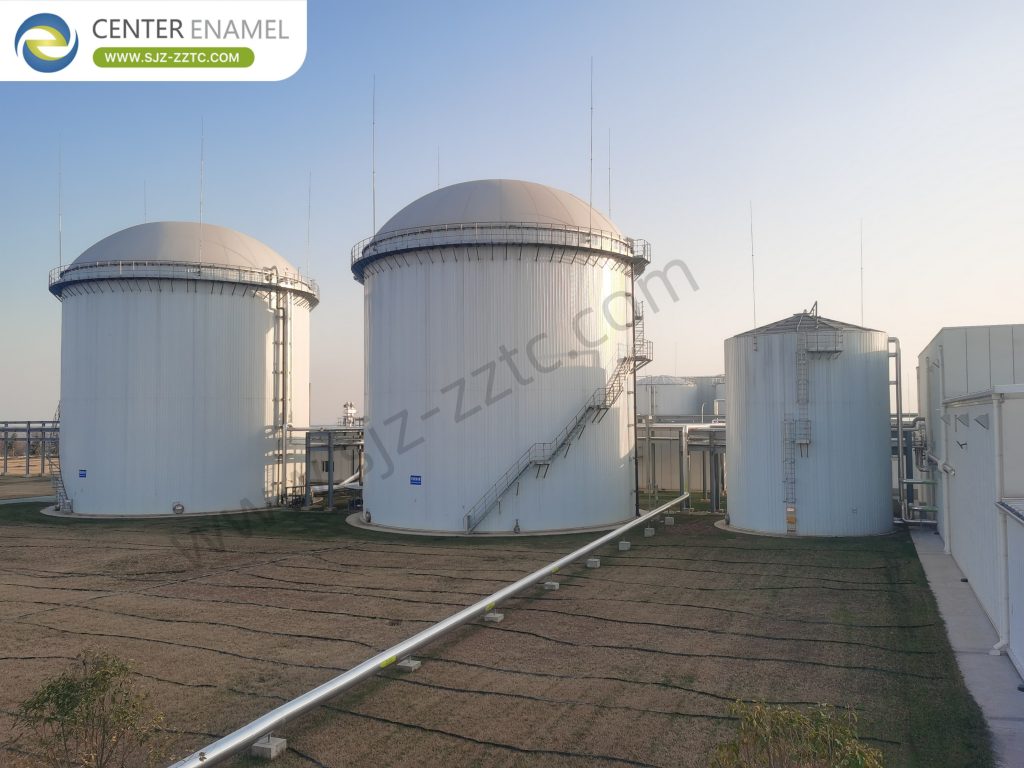
The Challenge of Chicken Manure Management
Chicken manure differs from other livestock wastes in several important ways. It has a high nitrogen content, primarily in the form of uric acid, urea, and undigested feed protein, which can lead to ammonia inhibition during biological treatment. The manure also contains significant amounts of phosphorus, potassium, and organic matter, making it a valuable fertilizer resource—but one that requires careful handling.
When raw chicken manure is applied directly to land or stored improperly, it can cause nitrogen leaching into groundwater and release considerable emissions of ammonia, methane, and nitrous oxide. These greenhouse gases contribute to climate change, while nutrient runoff can cause eutrophication of waterways. With approximately 20 million tons of poultry manure generated annually worldwide—and only 30-40% currently converted to biogas—there is substantial room for improvement in manure management practices.
Traditional Treatment Methods: An Overview
Several conventional approaches exist for treating chicken manure, each with its own advantages and limitations.
Windrow Composting involves piling manure in long rows and periodically turning them to provide oxygen for aerobic decomposition. This method is cost-effective and can reduce pathogens, but it typically requires 30-60 days and results in significant nitrogen losses through ammonia volatilization.
In-Vessel Composting accelerates the process to 4-10 days by using controlled reactors with regulated temperature, moisture, and aeration. While it offers superior pathogen destruction and reduced environmental emissions, it requires higher capital investment.
Vermicomposting employs earthworms (primarily Eisenia fetida) to process organic waste. The resulting worm castings are rich in nitrates, phosphorus, potassium, calcium, and magnesium. However, chicken manure's uric acid content can limit larval digestibility compared to other manure types.
Sun-Drying is a rudimentary method used by many small-scale farms, where manure is spread on the ground and exposed to sunlight for 7-15 days. While simple and low-cost, this approach offers minimal pathogen reduction and generates environmental contamination affecting air, soil, and water resources.
Biogas: The Science of Anaerobic Digestion
Anaerobic digestion (AD) offers a fundamentally different approach to chicken manure treatment. This biological process occurs in sealed, oxygen-free tanks where multiple microbial consortia break down organic matter through four key stages: hydrolysis, acidogenesis, acetogenesis, and methanogenesis.
During hydrolysis, complex organic compounds such as proteins, lipids, and carbohydrates are broken down into simpler soluble compounds by extracellular enzymes. These are then converted into volatile fatty acids and other intermediates, followed by acetic acid production, and finally methane generation by methanogenic archaea. The end product is biogas—typically containing 55-65% methane—along with a nutrient-rich liquid residue called digestate.
The AD process requires careful optimization of parameters including temperature, retention time, solids content, pH, and substrate-to-inoculum ratio (SIR) to maximize biogas production efficiency and ensure process stability.
Comparing Traditional Methods with Biogas Conversion
Recent scientific studies have provided robust comparisons of chicken manure treatment options. A comprehensive study by researchers at the Leibniz Institute for Agricultural Engineering evaluated four treatment methods—manure storage, composting, anaerobic digestion, and biochar production—specifically assessing greenhouse gas emissions.
The findings were clear: biogas production from poultry manure is associated with the lowest greenhouse gas emissions. This superiority stems primarily from two factors:
Substitution of mineral fertilizers through digestate use
Renewable electricity generation from captured methane
In contrast, composting proved to be the least favorable option in terms of climate impact. The repeated turning during composting causes higher emissions, mainly due to losses of nitrogen compounds. Even simple storage performed better than composting in the climate balance.
The study emphasized that well-managed biogas production provides very robust results, while composting outcomes were highly sensitive to calculation methods—sometimes more influenced by the methodology than by logistical factors like transport distance.
Optimizing Biogas Yield from Chicken Manure
Achieving optimal biogas production from chicken manure requires careful management of several operational parameters. Research has identified total solids (TS) content and substrate-to-inoculum ratio (SIR) as critical factors affecting process stability and gas yield.
A recent study investigating the combined effects of TS, SIR, and digestion time found that a TS of 6% combined with an SIR of 2:1 achieved the highest cumulative biogas yield of 780 mL/g VS, with methane content reaching 489.7 mL CH₄/g VS (67%). Digestion stabilization was achieved within 20-30 days—approximately 40% faster than higher solids systems.
The microbial community analysis revealed that this optimal configuration enriched beneficial consortia including Firmicutes, Fastidiosipila, and Syntrophomonas, creating ideal conditions for syntrophic interactions that drive efficient methane production. The digestate from this configuration exhibited a germination index above 90% and low phytotoxicity, confirming its viability as a biofertilizer.
Co-Digestion: Enhancing Performance with Carbon-Rich Materials
One significant challenge in digesting chicken manure alone is ammonia inhibition—the high nitrogen content can suppress microbial activity and reduce methane generation. Co-digestion with carbon-rich agricultural wastes addresses this issue by improving the carbon-to-nitrogen (C/N) ratio.
Research on co-digesting poultry litter with delignified coir pith (DCP) demonstrated impressive results. The digester with a 3:1 ratio of poultry litter to DCP achieved the highest biomethane yield of 90.3 L CH₄/kg VS, compared to only 49.8 and 40.5 L CH₄/kg VS for digesters with lower proportions of carbon-rich material. This synergistic behavior confirms that combining nitrogen-rich poultry manure with carbon-rich substrates significantly enhances biomethane production.
Similarly, co-digestion with food waste hydrolysate (FH) improved the C/N ratio from 8.9 (PL alone) to 29.2, contributing to overall biogas yield increases. Integration of sulfur-oxidizing bacteria with micro-aeration also effectively reduced hydrogen sulfide levels in the biogas, enhancing its suitability as a biofuel.
Pathogen Reduction: A Critical Advantage of Biogas
Beyond energy production, anaerobic digestion offers superior pathogen reduction compared to other treatment methods. Comparative assessments show that AD achieves greater than 99% pathogen reduction, outperforming windrow composting (high), in-vessel composting (very high), and passive composting (moderate).
The enclosed, controlled environment of AD systems ensures that Salmonella, E. coli, and helminths are effectively eliminated, producing a digestate that is safe for agricultural application. This pathogen reduction capability is particularly important given the food safety concerns associated with poultry waste, which can contain antibiotic residues, heavy metals, and other contaminants.
Economic Considerations: Is Biogas Worth the Investment?
The economic viability of biogas conversion depends on several factors, including farm scale, available substrates, and local energy prices. While composting remains the most economically viable option for decentralized farm-level adoption due to its low capital investment, anaerobic digestion involves moderate initial costs but offers long-term economic benefits.
These benefits include:
Renewable energy generation (electricity and heat)
Savings on purchased energy
Production of nutrient-rich digestate that can replace synthetic fertilizers
Potential carbon credits or government incentives
However, economic analyses indicate that economics vary by scale and region. One study found that chicken manure could incur a loss of approximately $25.28 per ton under mesophilic fermentation conditions. This suggests that successful biogas implementation requires careful planning, appropriate scale, and ideally, co-digestion with other substrates to improve overall economics.
Frequently Asked Questions (FAQ)
1. Why is chicken manure challenging for biogas production compared to other manures?
Chicken manure has a high nitrogen content, primarily as uric acid and undigested feed protein, which can lead to ammonia inhibition during anaerobic digestion. This high nitrogen concentration can suppress microbial activity and reduce methane production if the process is not carefully managed. However, co-digestion with carbon-rich materials, such as agricultural residues or food waste, can effectively address this challenge by balancing the carbon-to-nitrogen ratio.
2. How does biogas conversion compare to composting in terms of climate impact?
Scientific research shows that biogas production from poultry manure is associated with the lowest greenhouse gas emissions among common treatment methods. Biogas captures methane that would otherwise be released during decomposition and uses it to generate renewable energy, while also reducing nitrous oxide emissions. In contrast, composting proved to be the least favorable option in climate impact assessments, primarily due to higher nitrogen losses during the turning process.
3. What biogas yield can I expect from chicken manure, and how can I improve it?
Typical biogas yields from chicken manure range from 0.25-0.35 m³/kg volatile solids, with methane content of 55-65%. However, optimization can significantly improve these figures. Research has achieved cumulative biogas yields of 780 mL/g VS and methane content of 67% by optimizing total solids content (6%) and substrate-to-inoculum ratio (2:1). Co-digestion with carbon-rich materials can further enhance yields, with studies reporting biomethane yields up to 90.3 L CH₄/kg VS when poultry litter is combined with delignified coir pith at a 3:1 ratio.