
How to Treat Cow Dung? Modern Biogas Solutions for Sustainable Waste Management
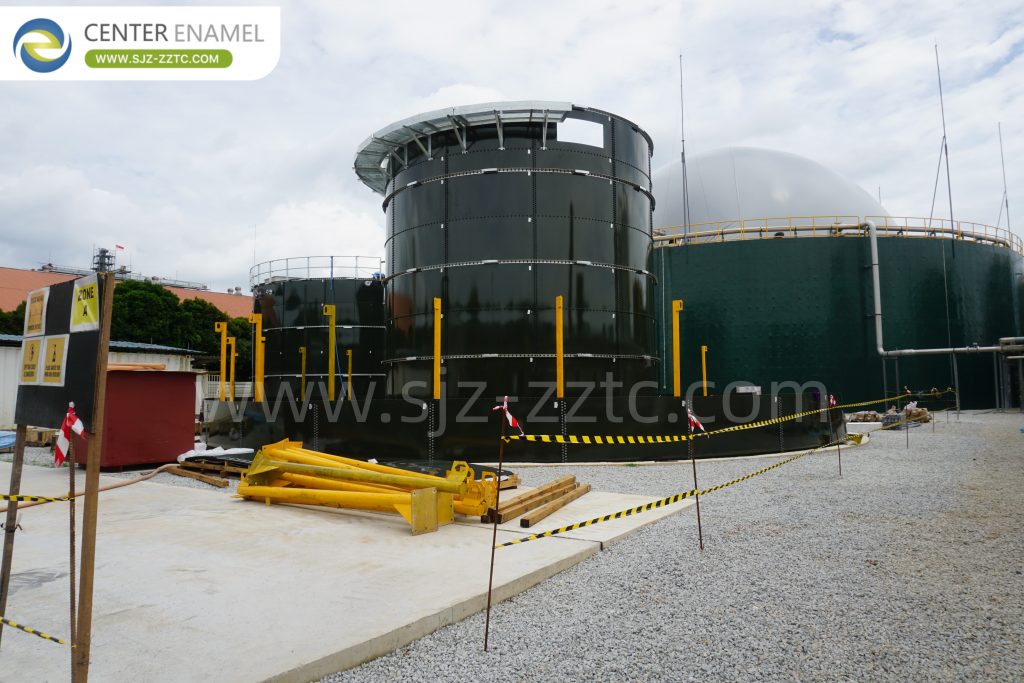
Properly treating cow dung is essential for environmental protection and renewable energy generation. Modern Biogas Technology offers efficient solutions to transform this abundant agricultural waste into clean energy, with GFS Tanks and the CSTR Process representing the industry standard for effective cow dung treatment.
Understanding the Challenge: Why Cow Dung Treatment Matters
An adult cow typically produces 28.4-48.1 kg of manure daily, generating vast quantities of waste that must be managed appropriately . Traditional treatment methods like composting have significant limitations—cow dung has high moisture content, poor air permeability, decomposes slowly, and produces low fermentation temperatures, earning it the nickname "cold manure" . Improperly managed cow dung releases methane, a greenhouse gas 21 times more potent than CO₂, contributes to water contamination through nutrient runoff, and creates unpleasant odors affecting surrounding communities. These challenges demonstrate why effective treatment is essential for sustainable agriculture and environmental protection.
The Treatment Process: From Cow Dung to Biogas
The most advanced method to treat cow dung involves anaerobic digestion, a biological process where organic matter decomposes in an oxygen-free environment to produce methane-rich biogas . The complete treatment system follows several key stages :
Pre-treatment: Cow dung is collected and mixed with water to create a pumpable slurry. A grid or screen may be used to isolate long coarse fibers and remove large impurities that could damage downstream equipment .
Anaerobic Digestion: The prepared slurry enters the digester, where specialized microorganisms break down organic matter through four stages: hydrolysis, acidogenesis, acetogenesis, and methanogenesis . This process produces biogas containing 50-65% methane, with studies showing that one kilogram of cow manure mixed with water can produce 35-40 liters of biogas under suitable conditions .
Post-treatment: After digestion, the remaining digestate undergoes solid-liquid separation. The liquid fraction serves as nutrient-rich fertilizer, while the solid portion can be dried and processed into animal bedding or further refined into organic fertilizer .
Research confirms that anaerobic digestion of cow dung at 50°C can produce 171.12 L of methane daily from a standard reactor , demonstrating the significant energy potential of proper treatment.
The CSTR Process: Core Technology for Cow Dung Treatment
The CSTR Process (Continuous Stirred-Tank Reactor) is the preferred anaerobic technology for treating cow dung. This system features a mechanical stirring device that ensures complete mixing of feedstock and microorganisms within a sealed tank. Continuous feeding at a constant temperature maintains stable fermentation conditions, preventing scum formation and sediment accumulation. The CSTR Process effectively handles high-suspended-solids organic waste, delivering consistent and reliable biogas yields with simple operation and management. For example, a continuous anaerobic digester with daily feeding of 5 liters of cow dung slurry can produce approximately 15 liters of biogas daily with methane concentrations averaging 65.4% .
GFS Tanks: Durable Infrastructure for Biogas Treatment
GFS Tanks (Glass-Fused-to-Steel) provide the essential infrastructure for effective cow dung treatment. Manufactured by fusing glass enamel to steel at 820°C-930°C, these tanks create an inert, corrosion-resistant bond that withstands the acidic environment of anaerobic digestion . The glass coating resists hydrogen sulfide and organic acids that would corrode unprotected steel, ensuring a service life exceeding 30 years with minimal maintenance . The modular bolted design allows rapid on-site assembly, making them suitable for remote agricultural regions. Key features include: ultimate corrosion resistance against chemical attack, superior gas-tightness ensuring safe biogas containment, and lower lifetime cost compared to alternative containment systems . Center Enamel has successfully delivered GFS Tanks for biogas projects worldwide, including a 5,504 m³ tank in Sweden (2024) and a 2,752 m³ tank in France (2021) .
Essential Equipment for Complete Cow Dung Treatment
A comprehensive cow dung treatment system requires supporting equipment beyond the digester tank.
Pre-treatment Equipment includes homogenization tanks, mixing systems, and automated mixers that create a homogeneous slurry for optimal digestion .
Solid-Liquid Separators process digestate into solid and liquid fractions—the solid can be used as bedding or organic fertilizer, while the liquid provides plant nutrients .
Dehydration and Desulfurization Tanks purify raw biogas by removing moisture and corrosive hydrogen sulfide that would damage downstream equipment .
Gas Holders ensure stable biogas storage and pressure regulation for consistent energy supply.
Torch Systems safely flare excess biogas during periods of overproduction, preventing uncontrolled methane release.
Lifting Pumps enable reliable slurry transfer between treatment units.
Advantages of Modern Cow Dung Treatment
Modern biogas treatment offers substantial benefits over traditional methods. Environmental Benefits: Capturing methane prevents greenhouse gas emissions that would otherwise enter the atmosphere. Anaerobic digestion significantly reduces COD (Chemical Oxygen Demand) in wastewater, with studies showing 42.9% COD removal in industrial applications using cow dung as a co-substrate . Treated digestate serves as nutrient-rich organic fertilizer containing valuable nitrogen, phosphorus, and potassium . Economic Benefits: Biogas production provides renewable energy for on-farm use, reducing reliance on external energy sources. One study found biogas from cow dung saves 8.50 kg of firewood daily, 0.29 kg of petroleum gas per day, and reduces chemical fertilizer requirements by 1.67 kg per day . Odor Control: Proper treatment facilities ensure comprehensive containment and management of volatile compounds, improving the surrounding environment.
Efficient Installation and Project Delivery
Leading providers offer rapid installation with prefabricated GFS panels that minimize on-site construction time, modular designs that simplify shipping to remote locations, zero on-site welding that eliminates weld failures and preserves coating integrity, cost-effective foundations due to lightweight structures, and professional supervision from experienced engineers. Center Enamel has successfully executed biogas projects across more than 100 countries, demonstrating proven expertise in delivering complete cow dung treatment solutions.
Center Enamel: Global Leader in Cow Dung Treatment Solutions
Center Enamel has established itself as a premier provider of cow dung treatment solutions with over three decades of international experience. Operating from a 150,000㎡ R&D and production base, Center Enamel delivers comprehensive EPC services from feasibility studies and custom process design to manufacturing, installation, and final commissioning. All products meet international standards including ISO9001, CE/EN1090, and NSF61. The company has delivered major projects including the Sweden Biogas Project (2024) featuring a 5,504 m³ GFS tank for renewable energy storage , the France Biogas Project (2021) with a 2,752 m³ GFS tank , and large-scale dairy wastewater treatment projects for Mengniu Group in China . Center Enamel provides full EPC service, international certifications, customized solutions for specific project requirements, and rigorous quality assurance at every stage.
Conclusion
Modern cow dung treatment through anaerobic digestion using GFS Tanks and the CSTR Process offers superior environmental and economic benefits compared to traditional methods. This approach transforms an environmental liability into a valuable energy resource while producing nutrient-rich fertilizer and reducing greenhouse gas emissions. Center Enamel's comprehensive biogas solutions enable farmers and communities worldwide to implement effective cow dung treatment, contributing to sustainable agriculture and renewable energy goals.
Frequently Asked Questions
Q1: What is the best way to treat cow dung for energy production?
A: Anaerobic digestion using the CSTR Process is the most effective method to treat cow dung for energy production. This technology ensures complete mixing and stable fermentation, producing methane-rich biogas while generating nutrient-rich fertilizer as a byproduct.
Q2: What equipment is needed for a complete cow dung treatment system?
A: A complete system includes pre-treatment equipment (homogenization tanks, mixers), an anaerobic digester (GFS Tanks with CSTR Process), solid-liquid separators, dehydration and desulfurization tanks for gas purification, gas holders, and torch systems for flaring excess gas.
Q3: How long do GFS Tanks last in cow dung treatment applications?
A: GFS Tanks have a proven service life exceeding 30 years due to their corrosion-resistant glass-fused-to-steel coating, which withstands the acidic anaerobic digestion environment without requiring internal recoating or frequent maintenance .