
Hospital Wastewater Treatment: Sources, Characteristics, Challenges, and Treatment Technologies
Hospital wastewater is not simply municipal sewage with a few extra disinfectants. It is a complex and hazardous effluent stream that carries pharmaceuticals, contrast media, disinfectants, antibiotic-resistant bacteria, and genetic material that can transfer resistance to environmental microorganisms. The World Health Organization recommends on-site treatment of hospital effluent before discharge, yet specific regulatory limits for hospital wastewater remain inconsistent or absent in many jurisdictions . For healthcare facility managers, infection control teams, and environmental engineers, understanding what is in this wastewater-and why conventional treatment is often insufficient-is the starting point for designing a compliant and protective system.
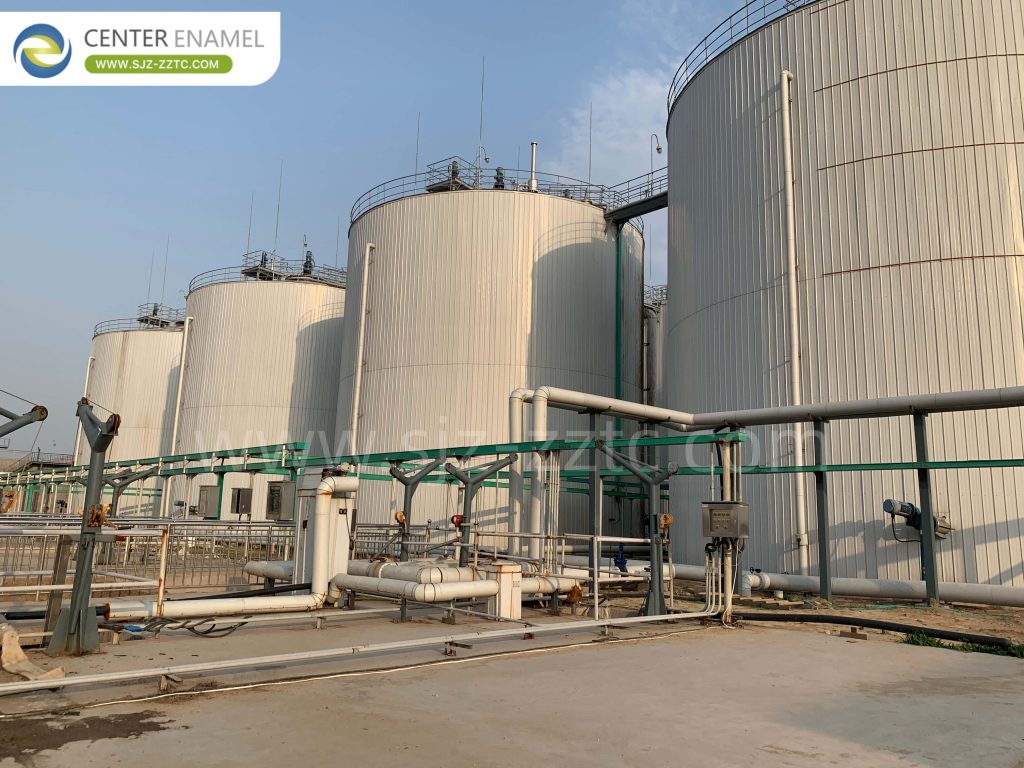
This guide examines the sources of hospital wastewater, the pollutants that make it uniquely challenging, the treatment technologies available, and the regulatory landscape that governs discharge.
1. Where Hospital Wastewater Comes From
Hospital effluent originates from a wide range of departments and activities, each contributing a distinct pollutant profile. The composition of the final combined stream depends heavily on the size of the facility, the specialties it offers, and the wastewater management practices in place.
Patient care areas generate wastewater containing excreted pharmaceuticals and their metabolites, including antibiotics, cytotoxics, analgesics, and hormones. Patients receiving chemotherapy excrete active cytostatic compounds, and patients on antibiotic therapy discharge both the parent drug and its active metabolites into the sewer system.
Diagnostic and imaging departments contribute significant loads of iodinated contrast media from radiology procedures. These compounds are highly persistent and not effectively removed by conventional biological treatment. Laboratories and research facilities discharge a diverse array of solvents, reagents, and analytical wastes.
Surgical and clinical departments produce effluent containing blood, body fluids, and disinfectants. Pharmacy and medication preparation areas contribute unused or expired medications, though in many facilities these are managed as solid waste rather than discharged to drain. Laundry and cleaning operations introduce detergents, surfactants, and disinfectants at concentrations that can inhibit biological treatment processes.
The variability is extreme. A small clinic may produce effluent not fundamentally different from domestic sewage, while a large tertiary hospital with oncology, infectious disease, and research facilities generates a chemically and microbiologically hazardous stream that requires dedicated treatment.
2. What Makes Hospital Wastewater Uniquely Challenging
Three categories of pollutants distinguish hospital effluent from municipal wastewater and drive the need for specialized treatment.
Pharmaceutical residues. Hospitals discharge a wide spectrum of active pharmaceutical ingredients at concentrations that, while often in the microgram or nanogram per liter range, are biologically active by design. Antibiotics, cytotoxics, endocrine-disrupting compounds, and contrast media are the primary concerns. Many of these compounds are recalcitrant to conventional activated sludge treatment, passing through municipal treatment plants largely intact and entering receiving waters .
Antibiotic-resistant bacteria and resistance genes. Hospitals are recognized as hotspots for antimicrobial resistance. Effluent contains resistant strains of bacteria such as Escherichia coli, Klebsiella pneumoniae, and Enterococcus species, along with extracellular DNA carrying antibiotic resistance genes (ARGs). The concern is not only direct exposure to resistant pathogens but the potential for resistance genes to be taken up by environmental bacteria through horizontal gene transfer . Studies have consistently shown that treated hospital effluent often does not completely eliminate ARBs and ARGs, even when conventional discharge standards for indicator organisms are met .
Disinfectants and chemical pollutants. Hospitals use substantial quantities of chlorine-based disinfectants, quaternary ammonium compounds, and other antimicrobial agents. These chemicals can form toxic byproducts during treatment, select for resistant organisms in the sewer environment, and inhibit biological treatment processes. Iodinated X-ray contrast media are particularly problematic because they are designed to be stable and are not removed by conventional treatment.
The combination of biological and chemical hazards means hospital wastewater treatment must address two separate objectives simultaneously: pathogen and resistance-gene control, and pharmaceutical and chemical removal. A system designed for only one of these objectives is incomplete.
3. Treatment Difficulties: Why Conventional Processes Fall Short
Conventional municipal wastewater treatment was not designed for hospital effluent, and relying on co-treatment in a municipal plant has significant limitations.
Dilution is not treatment. When hospital effluent is discharged to a municipal sewer, pharmaceutical residues and resistance genes are diluted but not destroyed. The municipal treatment plant may remove some fraction of these pollutants, but the remainder is released to the receiving environment. A review of treatment efficacy noted that the majority of effluent from studied hospital treatment systems did not completely eliminate antibiotic resistance genes following treatment .
Biological treatment is inhibited by hospital chemicals. Disinfectants and antibiotics can be toxic to the microbial communities that drive activated sludge and anaerobic digestion. Shock loads from cleaning operations or pharmaceutical spills can reduce treatment efficiency and lead to permit violations.
Disinfection is a double-edged sword. While disinfection is essential for pathogen control, conventional disinfection processes like chlorination can generate harmful disinfection byproducts when applied to hospital effluent containing pharmaceutical and chemical precursors. Ultraviolet disinfection avoids chemical byproducts but provides no residual protection and can be compromised by turbidity .
Regulatory fragmentation. There is no universal standard for hospital wastewater discharge. The WHO recommends on-site treatment but does not specify numerical limits for key parameters like antibiotic resistance genes . Different countries impose different requirements, and many developing countries have no hospital-specific standards at all. This regulatory gap places the burden of determining adequate treatment on facility operators and their engineers.
4. Regulatory Framework: What Hospitals Are Required to Meet
Discharge standards for hospital wastewater vary significantly across jurisdictions. The table below summarizes representative requirements from different countries, illustrating the range of approaches.
| Country/Region | Key Parameters and Limits | Notes |
| Italy | pH 5.5–9.5; BOD 30 mg/L; COD 250 mg/L; SS 100 mg/L; Oil & grease 10 mg/L; 90% fish survival (96h bioassay) | Limits apply to on-site treated effluent before discharge to surface water |
| USA (EPA) | pH 5–9; TSS ≤ 1 mg/L; Fecal coliform ≤ 1,000 CFU/100 mL | Hospital point source guidelines (40 CFR Part 460) |
| Germany | pH 6–9; BOD 41 kg/1,000 beds/day; TSS 55.6 kg/1,000 beds/day | Wastewater Ordinance (AbwV, 2004) |
| England & Wales | BOD 25 mg/L; COD 125 mg/L; Total N 15–10 mg/L (population-dependent) | Urban Waste Water Treatment Regulations |
| India | National standards for total coliform (1,000 CFU/mL); no specific ARG limits | Studies report effluent often fails to meet standards |
Compiled from regulatory summaries . Always verify with your local environmental authority.
The critical observation is that most standards focus on conventional parameters-BOD, COD, suspended solids, and indicator bacteria-and do not address pharmaceuticals, antibiotic resistance genes, or contrast media. A hospital that meets every numerical limit in its discharge permit may still be releasing significant quantities of pollutants of emerging concern. Facility managers should anticipate that regulations will tighten in this area and consider treatment design that provides a margin of safety beyond current requirements.
5. Treatment Technologies: From Conventional to Advanced
Hospital wastewater treatment systems are typically configured as treatment trains that combine multiple processes. No single technology addresses the full spectrum of pollutants present in hospital effluent.
Primary and Secondary Biological Treatment
Conventional activated sludge and membrane bioreactors (MBR) provide the biological foundation for organic matter and nutrient removal. MBR is particularly advantageous for hospital applications because the membrane provides a physical barrier to bacteria and suspended solids, producing a consistently high-quality effluent suitable for subsequent advanced treatment or disinfection. The small footprint of MBR systems also makes them attractive for space-constrained hospital campuses.
However, biological treatment alone is not sufficient for pharmaceutical removal. Many pharmaceuticals and contrast media pass through biological systems unchanged, and ARGs can persist in the treated effluent .
Advanced Oxidation Processes
Advanced oxidation processes (AOPs) generate highly reactive hydroxyl radicals that can oxidize recalcitrant pharmaceuticals, contrast media, and other trace organic contaminants that biological treatment cannot remove. Ozone, UV/hydrogen peroxide, and Fenton-based processes are among the options. AOPs are typically applied as a tertiary treatment step following biological treatment and filtration.
The limitations are energy consumption, cost, and the potential for forming transformation products whose toxicity is not well understood. AOP should be evaluated on a case-by-case basis with specific target pollutants in mind.
Membrane Filtration
Ultrafiltration and reverse osmosis provide high removal rates for pathogens, including bacteria and viruses. Ultrafiltration has been shown to be particularly effective for the removal of pathogenic bacteria and ARGs, providing consistent performance regardless of influent variability . Reverse osmosis can remove dissolved pharmaceuticals and contrast media, but it is energy-intensive and generates a concentrated reject stream that must be managed.
Disinfection
Final disinfection is essential for hospital effluent to control pathogen release. UV disinfection and chlorination are the most common options. UV is preferred when chemical byproduct formation is a concern, while chlorination provides residual protection in the distribution system. Ozonation combines disinfection with oxidation of trace organics, making it a multi-benefit option for hospital wastewater.
The table below compares the major treatment technologies for hospital wastewater applications.
| Technology | Target Pollutants | Strengths | Limitations |
| Activated sludge / MBR | BOD, COD, nutrients, suspended solids | Well-established; MBR provides pathogen barrier | Poor pharmaceutical removal; ARGs can persist |
| Advanced oxidation (O₃, UV/H₂O₂) | Pharmaceuticals, contrast media, trace organics | Effective against recalcitrant compounds | Energy cost; transformation products uncertain |
| Ultrafiltration | Bacteria, ARGs, suspended solids | Consistent pathogen removal | Does not remove dissolved pharmaceuticals |
| Reverse osmosis | Dissolved pharmaceuticals, salts | High removal of dissolved contaminants | Energy cost; concentrate disposal |
| UV disinfection | Pathogens | No chemical byproducts | No residual; turbidity-sensitive |
6. Design Considerations for Hospital Wastewater Systems
Several factors distinguish hospital wastewater system design from municipal or general industrial treatment design.
Segregation of high-risk streams. Not all hospital wastewater requires the same level of treatment. Cytotoxic drug preparation areas, laboratory wastes, and radiology contrast media streams can be collected separately and treated as hazardous waste rather than diluted into the general effluent. Segregation reduces the treatment burden on the main system and allows targeted treatment of the most problematic pollutants.
Capacity for variability. Hospital occupancy fluctuates, cleaning schedules create shock loads of disinfectants, and pharmaceutical consumption patterns vary by season and specialty. Equalization and buffering capacity are essential to protect biological treatment from inhibition and to maintain consistent performance.
Monitoring beyond permit requirements. If the goal is protection of public health and the environment-not merely permit compliance-monitoring should include parameters that regulations may not yet require. Periodic analysis for antibiotic resistance genes, specific pharmaceutical markers, and contrast media can provide early warning of treatment inefficiency and inform system upgrades.
Operator competence. Advanced treatment systems require skilled operators who understand both the biological and chemical processes involved. Training and access to specialist support are critical for sustained performance.
7. The Regulatory and Technical Outlook
The treatment of hospital wastewater is at an inflection point. Regulatory frameworks are beginning to recognize that hospital effluent requires dedicated attention, separate from municipal wastewater standards. The European Union has been moving toward more comprehensive monitoring requirements, and the WHO's recommendation for on-site treatment reflects growing awareness of the risks posed by hospital discharges .
At the same time, the technical toolkit is expanding. Advances in membrane materials, oxidation processes, and biological treatment are making advanced treatment more accessible and cost-effective. The challenge for facility managers is to select a treatment strategy that meets current regulatory requirements while providing flexibility for future tightening of standards.
The most defensible approach is to design for the pollutants of concern-pharmaceuticals, resistance genes, and pathogens-rather than designing to a specific numerical limit. A treatment train that effectively addresses these hazards will, by definition, meet conventional discharge standards. A system designed only to meet BOD and TSS limits may not.
Frequently Asked Questions
Why can't hospital wastewater simply be discharged to the municipal sewer?
While many hospitals do discharge to municipal sewers, this approach has significant limitations. Municipal treatment plants are not designed to remove pharmaceuticals, contrast media, or antibiotic resistance genes, and dilution does not eliminate these hazards. The WHO recommends on-site treatment before discharge, and a growing body of evidence shows that co-treatment in municipal plants allows significant quantities of pollutants of emerging concern to reach receiving waters .
What is the biggest treatment challenge for hospital effluent?
The combination of biological and chemical hazards. Hospital wastewater contains both antibiotic-resistant bacteria and resistance genes, and pharmaceutical residues that can select for resistance in the environment. A treatment system must address both pathogen control and pharmaceutical removal simultaneously. Many conventional systems achieve one objective while failing at the other.
Do I need advanced treatment like AOP or membranes for my hospital?
It depends on your facility's discharge profile, local regulations, and risk tolerance. Small clinics with limited pharmaceutical use may achieve adequate treatment with conventional biological treatment plus disinfection. Large hospitals with oncology, infectious disease, and research departments are more likely to need advanced treatment for pharmaceutical and resistance-gene control. A site-specific assessment is the only reliable way to determine the appropriate treatment train.
Let Us Help You Evaluate Your Hospital's Wastewater Treatment Needs
Every hospital has a unique effluent profile determined by its specialties, patient load, and existing infrastructure. The treatment strategy that works for a small community hospital is not the same as what a large academic medical center requires.
Send us your facility details and current discharge arrangements, and our team will help you assess your treatment requirements and evaluate technology options. We can provide a technical review and preliminary process design tailored to your hospital's specific challenges.