
How to Treat Kitchen Waste? From Traditional Methods to Advanced Biogas Solutions
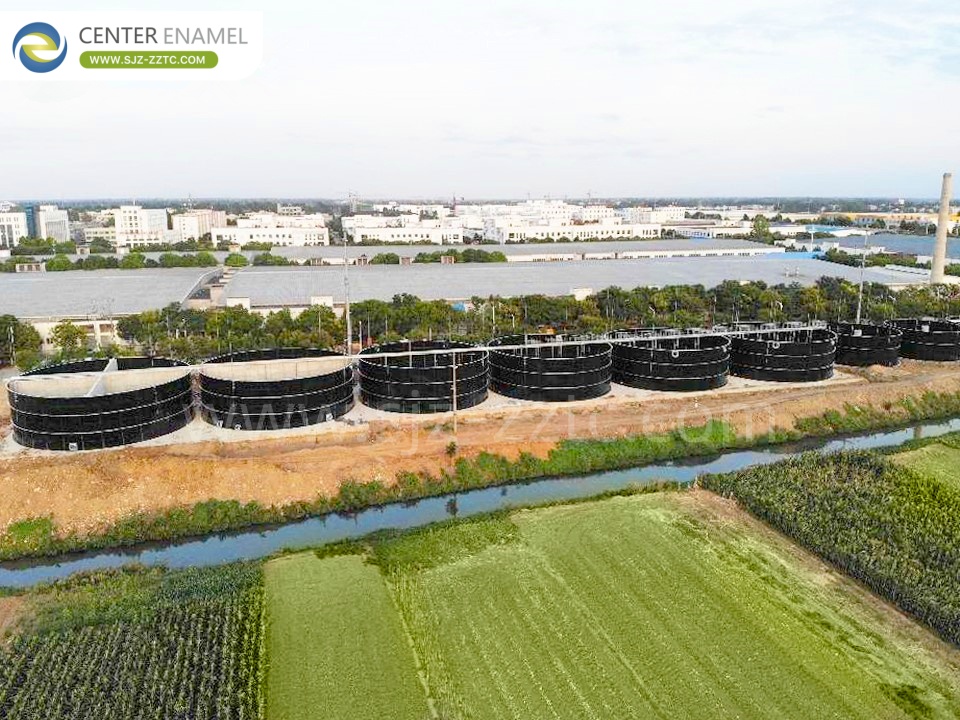
Kitchen waste treatment has evolved significantly from simple disposal practices to sophisticated resource recovery systems. Modern approaches transform organic kitchen scraps into valuable renewable energy, offering sustainable solutions for waste management challenges worldwide.
Traditional Kitchen Waste Treatment Methods
Historically, kitchen waste treatment followed straightforward but often wasteful approaches. Understanding these traditional methods provides context for why modern solutions have become essential.
Landfill Disposal: The Most Common Traditional Approach
Landfill disposal has been the most widespread method for kitchen waste treatment globally. Organic waste decomposing in landfills generates methane—a greenhouse gas that is 25 times more potent than carbon dioxide . Municipal solid waste management faces significant sustainability concerns, with landfilling representing a major environmental liability .
Research indicates that in many regions, over 90% of household waste still ends up in landfills, with improper management leading to air, soil, and water contamination through gas emissions and leachate leakage . This approach represents a missed opportunity for energy recovery from valuable organic resources.
Incineration: Combustion-Based Disposal
Incineration involves burning kitchen waste at high temperatures to reduce volume. While this method reduces waste mass significantly, it requires substantial energy input and can produce harmful emissions. Studies note that incineration may be responsible for severe environmental issues including air pollution from gas emissions and pollutant particles deposition .
In many countries, incineration is not a common treatment method for kitchen waste due to these environmental concerns and the high moisture content of organic waste, which makes combustion inefficient without supplemental fuel.
Home Composting: Traditional Organic Recycling
Home composting represents a traditional approach that returns nutrients to soil. Kitchen scraps including fruit and vegetable peels, coffee grounds, and eggshells can be composted with yard waste to create valuable soil amendment . This method reduces landfill waste and produces beneficial compost for gardens.
However, traditional composting faces limitations: it requires space, time, and proper management; it cannot process all types of kitchen waste; and it releases methane and carbon dioxide during decomposition without energy recovery.
Modern Kitchen Waste Treatment: Anaerobic Digestion for Biogas Production
The Science of Anaerobic Digestion
Anaerobic digestion (AD) is now recognized as the preferred approach for treating kitchen waste due to its biodegradable nature and high moisture content . This biological process involves four stages—hydrolysis, acidogenesis, acetogenesis, and methanogenesis—carried out by microorganisms that convert complex organic matter into biogas .
Kitchen waste is a particularly promising substrate for anaerobic digestion due to its high carbon and moisture content. Studies confirm that approximately 460 normal liters of methane can be produced per kilogram of volatile solids in kitchen waste . However, the complex structure of kitchen waste can limit biogas production, making process optimization essential .
Pretreatment Technologies for Enhanced Biogas Yield
Modern kitchen waste treatment often incorporates pretreatment steps to improve biogas yields. Research demonstrates that thermal heating and microwave irradiation significantly enhance biodegradability . Microwave pretreatment at 1000W for 2 minutes increases soluble chemical oxygen demand by 63%, while thermal heating at 250°C for 30 minutes achieves a 47% increase .
These pretreatments result in substantially higher biogas yields—up to 69.77% increase with thermal pretreatment and 54.22% with microwave irradiation compared to untreated kitchen waste .
The CSTR Process: Core Technology for Kitchen Waste Treatment
The Continuous Stirred-Tank Reactor (CSTR) is the preferred technology for processing kitchen waste in anaerobic digestion systems. This process uses a mechanical stirring device to keep fermentation materials and microorganisms in a state of complete mixing, preventing solids settling and ensuring consistent biogas production.
Studies confirm that CSTR systems operated under mesophilic conditions (37°C) achieve excellent methane yields, with the substrate-to-inoculum ratio having a strong influence on performance . Source-segregated kitchen waste demonstrates high organic content, reaching almost 92% organic material, making it ideal for CSTR processing .
Biogas Collection and Storage Infrastructure
Modern kitchen waste treatment requires reliable biogas storage infrastructure. Glass-Fused-to-Steel (GFS) tanks represent the premium choice for biogas storage due to their gas-tightness, corrosion resistance, and long-term durability . These tanks undergo a high-temperature fusion process where molten glass bonds with steel, creating an inert, inorganic coating that withstands the corrosive environment of biogas production.
For applications requiring odour control and biogas collection, double membrane roofs provide superior airtightness while optimizing construction costs and space efficiency.
Center Enamel: Professional Biogas Project Solutions Provider
Center Enamel offers comprehensive solutions for kitchen waste-to-biogas projects worldwide. With extensive experience in Glass-Fused-to-Steel tank manufacturing and biogas project execution, the company delivers complete turnkey solutions including engineering, procurement, and construction services .
Comprehensive Product Range
GFS Tanks: Corrosion-resistant, gas-tight storage for anaerobic digestion systems
Stainless Steel Tanks: Durable solutions for demanding biogas applications
Fusion Bonded Epoxy Tanks: Chemical-resistant storage options
Biogas Holders: Flexible, airtight containers for efficient biogas storage
International Certification and Quality Standards
Center Enamel's biogas storage solutions meet rigorous international standards including ISO 9001, CE, NSF/ANSI 61, WRAS, ISO 28765, AWWA D103-09, and OSHA . The company holds over 20 patents for innovative enameling technology, ensuring unmatched durability and performance.
Global Project Success
Center Enamel has successfully delivered biogas projects in more than 100 countries worldwide . Notable projects include a 5,504m³ biogas storage tank in Sweden and a 2,752m³ tank in France, demonstrating the company's capability to execute complex renewable energy infrastructure projects globally .
One-Stop EPC Contractor Services
As a comprehensive solutions provider, Center Enamel offers integrated EPC services covering design, procurement, fabrication, installation, commissioning, and after-sales support. This single-point accountability reduces project coordination risks, shortens construction timelines, and delivers cost-effective biogas project execution.
Frequently Asked Questions
Q1: What is the most effective way to treat kitchen waste for energy recovery?
Anaerobic digestion (AD) is the most effective method for treating kitchen waste with energy recovery. The process converts organic material into methane-rich biogas that can generate electricity or heat. Research shows source-segregated kitchen waste can produce 136.2 m³ of biogas per ton .
Q2: How does pretreatment improve kitchen waste biogas production?
Pretreatment methods like thermal heating and microwave irradiation break down complex organic structures, making nutrients more accessible to microorganisms. Thermal pretreatment at 250°C can increase biogas yields by up to 69.77% compared to untreated kitchen waste .
Q3: Why are GFS tanks preferred for biogas storage systems?
Glass-Fused-to-Steel tanks provide superior gas-tightness, corrosion resistance, and durability for biogas storage. They require minimal maintenance, offer a 30+ year service life, and comply with international standards including ISO 28765 and AWWA D103-09 .