
How to Treat Livestock Wastewater Treatment? Technologies, Stages, and Environmental Benefits
Livestock farming generates significant amounts of wastewater containing animal manure, urine, feed residues, suspended solids, organic matter, and nutrients such as nitrogen and phosphorus.
If this wastewater is discharged without proper treatment, it can cause water pollution, excessive nutrient accumulation, unpleasant odors, and damage to aquatic ecosystems.
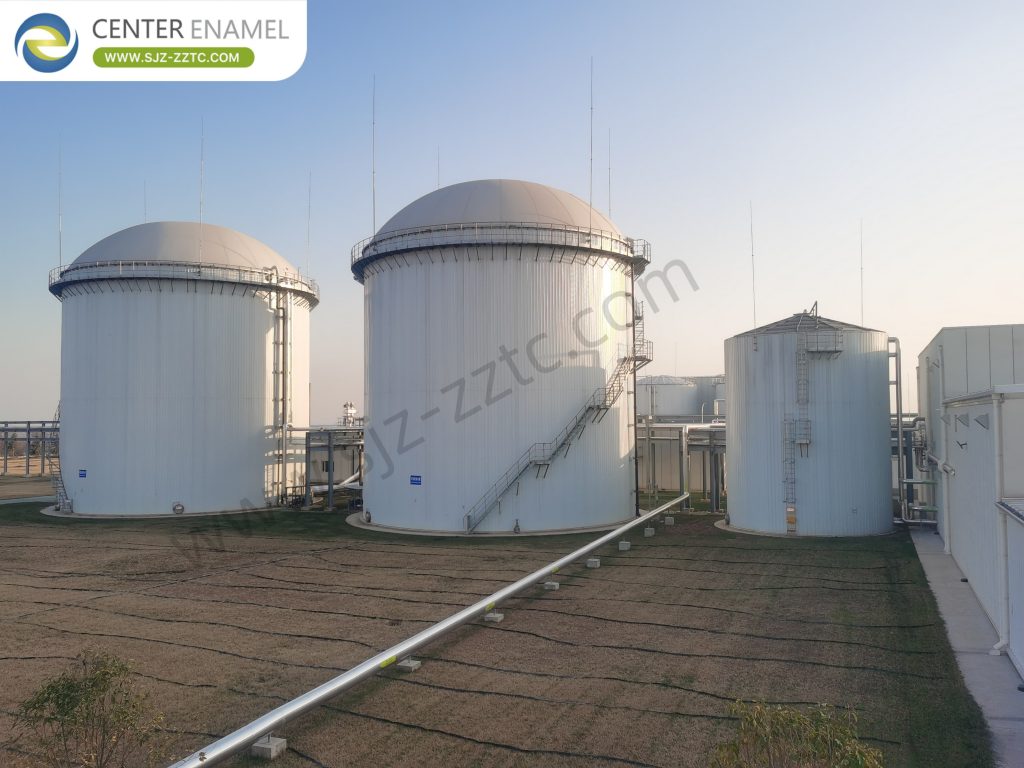
Livestock wastewater treatment is therefore essential for protecting the environment and supporting sustainable agricultural development.
A conventional non-biogas wastewater treatment system combines physical separation, chemical treatment, and biological purification. Through multiple treatment stages, suspended solids, organic pollutants, and nutrients can be significantly reduced before the treated water is discharged or reused.
This article introduces the main treatment stages and technologies involved in a livestock wastewater treatment system.
Screening: Removing Large Solid Impurities
Screening is the first stage of livestock wastewater treatment.
Wastewater from livestock facilities may contain large solid materials, including placenta, afterbirth, dead fetuses, plastics, feed residues, and other debris.
A screening system intercepts these materials before wastewater enters downstream treatment equipment.
Its main functions include:
Removing large floating and suspended impurities.
Preventing blockages in pipes and pumps.
Reducing the mechanical load on subsequent equipment.
Improving the stability of wastewater transportation.
Effective screening is important because large debris can interfere with solid-liquid separation and biological treatment.
Collection Tank: Gathering Wastewater from Different Production Lines
After screening, wastewater enters the collection tank.
Livestock farms may generate wastewater from different production areas, including animal housing, cleaning operations, and manure washing facilities.
The collection tank gathers wastewater from these sources and transfers it to the solid-liquid separation unit.
Its main purposes include:
Collecting wastewater from different production lines.
Providing temporary wastewater storage.
Supporting continuous transportation to subsequent treatment units.
Helping organize wastewater collection and treatment operations.
A properly designed collection system helps maintain stable wastewater flow throughout the treatment process.
Solid-Liquid Separation: Removing Suspended Solids
Solid-liquid separation is an important pretreatment stage in livestock wastewater treatment.
Livestock wastewater contains considerable amounts of suspended solids (SS), including manure particles, organic residues, and other insoluble materials.
A mechanical solid-liquid separator removes a large proportion of these solids from the wastewater.
The separated manure residue is collected and transported for further treatment or appropriate disposal, while the liquid fraction enters the regulating tank.
The main advantages include:
Reducing suspended solids concentration.
Lowering the organic pollutant load of subsequent treatment units.
Reducing the risk of pump and pipeline blockages.
Improving the operating conditions of biological treatment equipment.
Solid-liquid separation is particularly important for livestock wastewater because manure solids can otherwise increase the treatment burden and cause equipment problems.
Primary Reaction: Coagulation and Flocculation
Although solid-liquid separation removes a considerable amount of suspended solids, fine particles may remain in the wastewater.
These small particles are often difficult to remove through mechanical separation alone.
The primary reaction stage uses coagulants and flocculants to promote particle aggregation.
Coagulants destabilize fine suspended particles, while flocculants help combine them into larger flocs.
These flocs can then be separated through gravity sedimentation.
The main treatment functions include:
Removing fine suspended particles.
Promoting the formation of larger flocs.
Improving solid-liquid separation efficiency.
Reducing the pollutant load entering the biological treatment system.
Supporting preliminary phosphorus removal.
Chemical dosage, mixing conditions, pH, and reaction time should be adjusted according to wastewater characteristics and treatment requirements.
Regulating Tank: Balancing Wastewater Quality and Quantity
After primary treatment, wastewater enters the regulating tank.
Wastewater generated by livestock farms often fluctuates in volume and pollutant concentration depending on cleaning schedules, animal numbers, and production activities.
An equalization tank helps balance these variations before wastewater enters the biological treatment system.
According to the illustrated process, the regulating tank is equipped with an aeration system.
Aeration and mixing help homogenize wastewater quality and prevent excessive accumulation of suspended materials.
Its main functions include:
Balancing variations in wastewater flow.
Homogenizing pollutant concentrations.
Improving wastewater mixing.
Supporting more stable downstream treatment.
Providing controlled wastewater transfer through automatic liquid-level control.
After equalization, wastewater is pumped into the subsequent biological treatment units.
Two-Stage A/O Biochemical Treatment Process
The two-stage A/O process is one of the core biological treatment technologies used in livestock wastewater treatment.
A/O stands for Anoxic/Oxic, referring to the combination of anoxic and aerobic treatment environments.
This process uses different microorganisms to remove organic pollutants and nutrients from wastewater.
The main treatment targets include:
Chemical Oxygen Demand (COD).
Biochemical Oxygen Demand (BOD₅).
Ammonia Nitrogen (NH₃-N).
Total Nitrogen (TN).
Total Phosphorus (TP).
During biological treatment, microorganisms convert biodegradable organic matter into simpler substances, new biomass, carbon dioxide, and water.
The process also supports biological nitrogen removal through nitrification and denitrification.
Anoxic Tank: Supporting Biological Denitrification
The anoxic tank provides an environment with very low dissolved oxygen but available nitrate or nitrite.
Under these conditions, denitrifying bacteria use organic carbon as an energy source and convert nitrate into nitrogen gas.
This process is known as biological denitrification.
The main functions of the anoxic tank include:
Removing nitrogen through denitrification.
Reducing nitrate and nitrite concentrations.
Supporting biological nutrient removal.
Improving the overall efficiency of the A/O treatment system.
In some treatment configurations, internal mixed-liquor recirculation returns nitrate-rich wastewater from the aerobic tank to the anoxic tank to improve nitrogen removal efficiency.
Aerobic Tank: Removing Organic Matter and Ammonia Nitrogen
After anoxic treatment, wastewater enters the aerobic tank.
An aeration system supplies oxygen to support the growth and activity of aerobic microorganisms.
These microorganisms consume biodegradable organic compounds and convert them into carbon dioxide, water, and new biomass.
The aerobic stage also supports nitrification.
During nitrification, specialized bacteria convert ammonia nitrogen into nitrite and subsequently nitrate under aerobic conditions.
The main functions include:
Reducing COD and BOD₅.
Degrading biodegradable organic matter.
Converting ammonia nitrogen into nitrate.
Supporting biological wastewater purification.
Maintaining suitable dissolved oxygen, temperature, pH, and sludge concentration is essential for stable aerobic treatment.
Main Equipment and Functions in Livestock Wastewater Treatment
Different treatment units work together to ensure effective wastewater purification.
The following table summarizes the main equipment and its functions.
| Treatment Equipment | Main Function | Treatment Stage |
| Screening System | Removes large debris and impurities | Pretreatment |
| Collection Tank | Collects wastewater from production lines | Collection |
| Solid-Liquid Separator | Removes manure solids and suspended particles | Physical separation |
| Coagulation and Flocculation Unit | Aggregates fine suspended particles | Chemical treatment |
| Sedimentation Unit | Separates flocs through gravity | Primary treatment |
| Regulating Tank | Balances wastewater flow and quality | Equalization |
| Anoxic Tank | Supports biological denitrification | Biological treatment |
| Aerobic Tank | Degrades organic matter and supports nitrification | Biological treatment |
Key Pollutants Removed During Livestock Wastewater Treatment
Livestock wastewater contains several types of pollutants that require different treatment mechanisms.
| Pollutant | Main Source | Treatment Method |
| Suspended Solids (SS) | Manure, feed residues, and organic particles | Screening and solid-liquid separation |
| COD | Organic compounds in manure and wastewater | Coagulation and biological treatment |
| BOD₅ | Biodegradable organic matter | Aerobic biological treatment |
| Ammonia Nitrogen (NH₃-N) | Animal urine and organic nitrogen decomposition | Biological nitrification |
| Total Nitrogen (TN) | Ammonia, nitrate, and organic nitrogen | Nitrification and denitrification |
| Total Phosphorus (TP) | Manure and feed residues | Chemical precipitation and biological removal |
Actual pollutant removal efficiency depends on influent characteristics, equipment configuration, chemical dosage, biological conditions, and operating parameters.
Advantages of a Non-Biogas Livestock Wastewater Treatment System
A treatment system based on physical, chemical, and aerobic/ anoxic biological processes offers several advantages.
1. Effective Suspended Solids Removal
Screening and solid-liquid separation remove large impurities and manure particles, reducing the treatment load.
2. Improved Organic Pollutant Removal
Coagulation, sedimentation, and biological treatment work together to reduce COD and BOD₅.
3. Nitrogen Removal
The combination of aerobic nitrification and anoxic denitrification helps reduce nitrogen concentrations.
4. Reduced Equipment Blockage
Removing large debris and manure solids helps protect pumps, pipelines, and downstream treatment equipment.
5. Flexible Process Configuration
Treatment capacity and equipment selection can be adjusted according to wastewater characteristics, farm size, and local discharge standards.
6. No Biogas Energy Recovery Requirement
This treatment configuration focuses on wastewater purification rather than anaerobic biogas production, making it suitable for projects where biogas generation is not part of the treatment objective.
Conclusion: Choosing the Right Livestock Wastewater Treatment Solution
Livestock wastewater treatment requires a combination of physical, chemical, and biological technologies to achieve effective pollutant removal.
From screening and collection to solid-liquid separation, coagulation, sedimentation, equalization, and two-stage A/O biological treatment, each process contributes to improving wastewater quality.
A properly designed non-biogas treatment system can reduce suspended solids, organic pollutants, ammonia nitrogen, and other contaminants while helping livestock farms meet applicable environmental discharge requirements.
Selecting appropriate equipment and optimizing each treatment stage are essential for achieving stable operation, reliable treatment performance, and long-term environmental benefits.
Frequently Asked Questions (FAQ)
1. What are the main steps in livestock wastewater treatment?
The main steps include screening, wastewater collection, solid-liquid separation, coagulation and flocculation, sedimentation, equalization, and biological treatment through anoxic and aerobic tanks. The exact process depends on wastewater characteristics and discharge requirements.
2. What is the purpose of the two-stage A/O process?
The two-stage A/O process combines anoxic and aerobic biological treatment. The anoxic stage supports denitrification, while the aerobic stage degrades organic matter and converts ammonia nitrogen into nitrate through nitrification. Together, these processes improve organic pollutant and nitrogen removal.
3. Can livestock wastewater be treated without producing biogas?
Yes. Livestock wastewater can be treated using physical separation, chemical coagulation, sedimentation, and aerobic/anoxic biological processes without incorporating an anaerobic biogas production stage. The appropriate configuration depends on wastewater quality, treatment capacity, and applicable environmental standards.