
How to Treat Pig Manure? A Complete Guide to Farm Waste Management
Pig manure is a significant byproduct of swine production. With the intensification of the livestock industry, farms generate large volumes of waste rich in nutrients and organic matter . If managed improperly, this waste can lead to serious environmental issues, including water contamination, air pollution from ammonia emissions, and the release of greenhouse gases . However, when treated correctly, pig manure transforms from a pollutant into a valuable resource for energy production and soil enhancement. This article explores common treatment methods and highlights the superior advantages of converting manure into biogas.
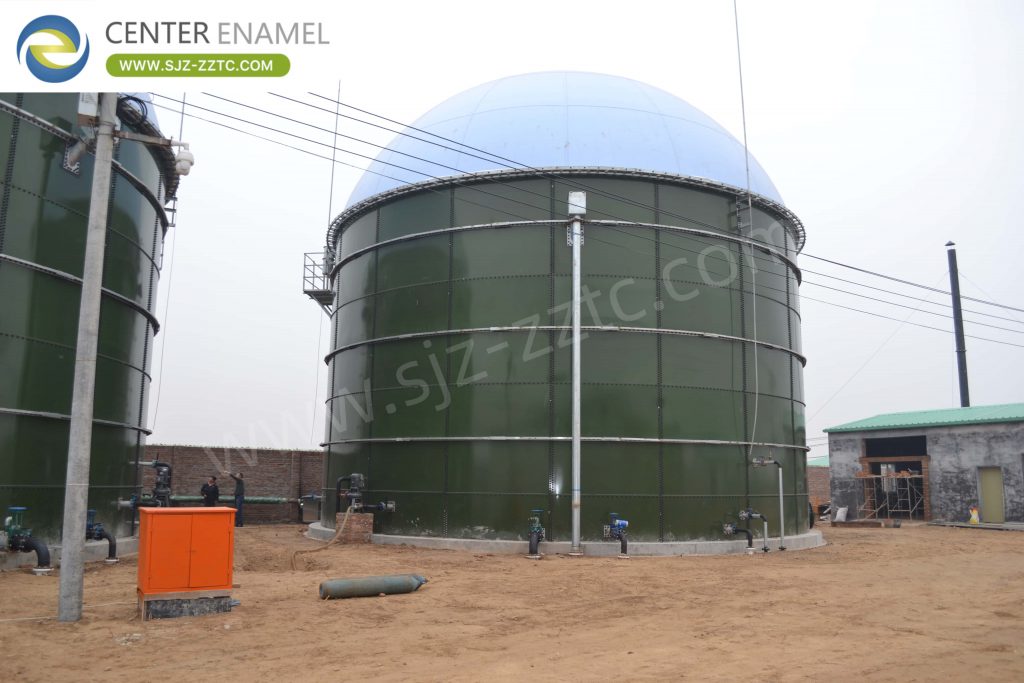
The Environmental Challenge of Raw Pig Manure
Raw pig manure has a high water content and a low carbon-to-nitrogen (C/N) ratio, which makes it challenging to manage . Direct land application without treatment poses risks such as nutrient runoff leading to eutrophication of water bodies, the spread of pathogens, and unpleasant odors. Furthermore, decomposing manure releases methane and nitrous oxide, potent greenhouse gases that contribute to climate change . Understanding these risks is the first step towards implementing responsible treatment strategies.
Traditional Treatment Method: Composting
Composting is one of the most common and accessible methods for treating pig manure. This aerobic process involves stacking manure in windrows or bins, allowing microorganisms to break down organic matter in the presence of oxygen.
The Process: The high temperatures reached during the thermophilic phase (above 55°C) are crucial for inactivating pathogens and weed seeds, resulting in a stabilized, humus-like product . Modern techniques often integrate thermophilic pre-treatment with vermicomposting, using earthworms to further enhance nutrient retention and reduce greenhouse gas emissions .
Advantages: Composting produces a nutrient-rich organic fertilizer that improves soil structure, water retention, and nutrient availability. It effectively reduces the volume of waste and eliminates odors and pathogens when done correctly .
Disadvantages: The process takes several weeks to months, requires significant space, and results in the loss of nitrogen (primarily as ammonia) and carbon (as CO2) to the atmosphere. While valuable, the energy potential of the manure is largely dissipated as heat rather than captured.
Alternative Techniques: Dewatering, Pelletizing, and Acidification
Besides composting, other specific methods are employed to address distinct aspects of manure management.
Dewatering and Pelletizing: This approach separates the solid and liquid fractions of manure. The solid portion can be dried and pelletized into a stable, transportable fertilizer. This process concentrates nutrients and reduces the risk of weed seeds, making it easier to transport manure to regions where it is needed as fertilizer .
Slurry Acidification: This technique involves lowering the pH of manure slurry by adding acids (traditionally sulfuric acid, or increasingly, organic acids and fermentation by-products). Lowering the pH significantly reduces ammonia (NH3) emissions and methane production during storage . Recent studies show that acidic fermentation by-products, such as distillers' grains, can be used to achieve a similar 94% reduction in ammonia emissions without the hazards associated with handling strong mineral acids .
Advanced Treatment: The Biorefinery Concept
Moving beyond simple stabilization, the biorefinery approach seeks to extract multiple valuable products from pig manure.
This concept integrates several technologies to recover various components:
Nitrogen Recovery: Gas-permeable membranes can remove ammonia from manure, reducing nitrogen concentrations by up to 90% and recovering a valuable nitrogen fertilizer .
Phosphorus and Protein Extraction: Acid-base solubilization can recover phosphorus and proteins from the solid fraction, with extraction efficiencies reaching 114% for phosphorus and 86% for proteins .
Energy Recovery: The remaining organic matter is then processed via anaerobic digestion to produce biogas.
This holistic approach maximizes resource recovery, producing clean water, fertilizers, and renewable energy, thus turning a waste stream into a highly efficient, circular system .
What is Anaerobic Digestion and How Does It Work?
Anaerobic digestion (AD) is the core process for generating biogas from pig manure. Unlike composting, AD takes place in the absence of oxygen. In a sealed tank called a digester, a consortium of microorganisms breaks down the organic matter through a series of biological reactions, ultimately producing biogas—a mixture primarily consisting of methane (CH4) and carbon dioxide (CO2).
The process is stable and effective. Research indicates that co-digesting pig manure with other organic substrates (like crop residues or animal by-products) can further enhance biogas production by improving the nutrient balance for the microbes, leading to a more diverse and active microbial community .
Comparing Composting and Anaerobic Digestion: Which is Better?
When comparing composting and anaerobic digestion as primary treatment methods for pig manure, significant differences emerge in terms of outputs and environmental impact. The table below summarizes these differences.
| Feature | Composting | Anaerobic Digestion (Biogas) |
| Primary Output | Compost (soil fertilizer) | Biogas (renewable energy) & Digestate (biofertilizer) |
| Energy Recovery | Wasted as heat | Captured as methane for electricity/heat generation |
| Impact on Climate | Direct emissions of CO2, CH4, and N2O | Captures methane to prevent its release; biogas replaces fossil fuels |
| Nutrient Retention | Nitrogen loss can be high (up to 50%) | Nutrient-rich digestate retains N, P, and K |
| Process Time | Several weeks to months | Faster (e.g., a 33-day hydraulic retention time in digesters) |
| Space Required | Large area required | More compact, enclosed system |
Key Finding: While composting is an effective, low-tech method for producing fertilizer, anaerobic digestion offers a superior environmental and economic advantage by not only stabilizing the waste but also capturing its intrinsic energy value as biogas. This dual benefit of renewable energy production and fertilizer creation places AD at the heart of a circular economy .
The Undeniable Advantages of Biogas Conversion
Converting pig manure to biogas offers several distinct advantages over traditional disposal methods.
Renewable Energy Generation: Biogas is a versatile fuel that can be used directly for cooking, heating, or generating electricity. A full-scale pig farm plant utilizing AD can generate up to 1,880 kWh of energy per day from manure, significantly offsetting operational costs and reducing reliance on fossil fuels .
Potent Greenhouse Gas Reduction: Methane is a greenhouse gas over 25 times more potent than CO2. By capturing the methane produced during decomposition and using it as fuel, anaerobic digestion drastically reduces the farm's overall carbon footprint compared to storing manure in lagoons or spreading it raw .
Production of High-Quality Biofertilizer: The residual material from the digester, known as digestate, is a nutrient-rich liquid that can be used as a biofertilizer. Unlike raw manure, the digestate has a reduced odor, a more balanced nutrient profile, and is less likely to burn plant roots. The process also significantly removes nitrogen and phosphorus from the effluent, with one system achieving removal rates of 98.6% and 89.7%, respectively, reducing the risk of water pollution .
Economic Viability: The economic case for biogas is strong. The combination of energy sales, fertilizer value, and savings on waste disposal creates a robust financial model, with high internal rates of return (21-37%) and a return on investment within 3-5 years for many AD treatment systems .
The Circular Economy: Beyond Waste to Resource
Ultimately, treating pig manure through anaerobic digestion is a perfect example of the circular economy in action. Instead of a linear "produce-use-dispose" model, it creates a closed-loop system.
Pigs produce Manure.
The Manure is fed into an Anaerobic Digester.
The Digester produces Biogas for energy and Digestate for fertilizer.
The Fertilizer is used to grow crops, which can be used as pig feed.
The Energy powers the farm, reducing external energy needs.
This symbiotic relationship between farming and energy production creates a model that is not only environmentally sustainable but also economically resilient, turning a cost center (waste treatment) into a profit center (energy and fertilizer) .
Frequently Asked Questions (FAQ)
1. Can I use the fertilizer from a biogas digester (digestate) in the same way as raw manure?
Yes, but with significant advantages. Digestate is a superior fertilizer compared to raw manure. The anaerobic digestion process stabilizes the nutrients, making them more readily available for plant uptake. It is also much lower in odor and pathogens. However, because it contains a high concentration of ammonia nitrogen in a readily available form, it is best applied via injection or incorporation into the soil to prevent nitrogen loss to the air, rather than being sprayed on the surface .
2. Is a biogas system only suitable for large-scale farms?
While large farms benefit the most from economies of scale, biogas technology is scalable. The technology can be tailored to fit operations of various sizes, from large industrial farms to smaller community-based systems . Even small-scale farmers can utilize simpler biodigester designs to manage waste and generate biogas for cooking, reducing reliance on firewood or fossil fuels. The decision depends on investment capacity and the cost of alternative energy sources.
3. What are the main challenges in starting a biogas project on a pig farm?
The primary challenges include the initial capital investment for the digester and gas handling equipment, and the need for technical expertise to operate and maintain the system. Managing the process to maximize gas yield can be complex, and co-digestion with other carbon-rich materials is often recommended to optimize production . However, these barriers are often offset by the long-term economic benefits and are increasingly addressed by government incentive programs .