
How to Treat Piggery Waste Feces: A Complete Guide to Biogas Conversion
Piggery waste management is one of the most pressing environmental challenges facing modern livestock production. With the global demand for pork continuing to rise, farms generate vast quantities of feces and wastewater that, if left untreated, can pollute water sources, emit potent greenhouse gases, and create public health hazards . However, piggery waste is not merely a problem to be solved-it is a resource waiting to be harnessed. Among the various treatment technologies available, anaerobic digestion for biogas production stands out as the most comprehensive solution, transforming waste into renewable energy while producing valuable fertilizer. This guide explores the science, benefits, and implementation of biogas conversion for piggery waste treatment.
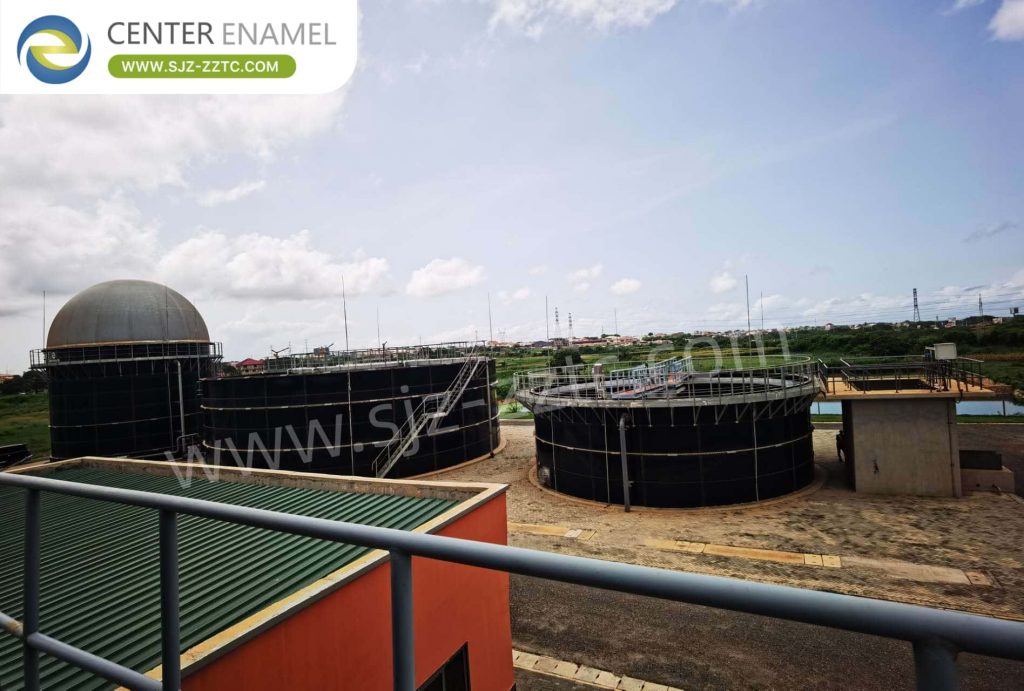
Why Piggery Waste Needs Specialized Treatment
Piggery waste differs from other livestock manures in several critical ways. It has a high water content, a low carbon-to-nitrogen (C/N) ratio, and contains significant amounts of volatile solids that decompose rapidly. These characteristics make it prone to producing strong odors, attracting pests, and releasing methane-a greenhouse gas over 25 times more potent than carbon dioxide . Raw application of pig feces to land can lead to nutrient runoff, causing eutrophication of waterways, and may harbor pathogens such as E. coli, Salmonella, and Enterococcus that pose risks to human and animal health . Effective treatment is therefore essential for environmental compliance, neighbor relations, and farm sustainability.
The Science of Biogas: How Anaerobic Digestion Works
Anaerobic digestion (AD) is the biological process that converts piggery feces into biogas. Unlike composting, which requires oxygen, AD takes place in sealed, oxygen-free tanks called digesters. Naturally occurring microorganisms break down the organic matter in four stages: hydrolysis, acidogenesis, acetogenesis, and methanogenesis . The final product is biogas-a mixture primarily of methane (CH₄) and carbon dioxide (CO₂)-along with a nutrient-rich liquid residue called digestate. One key advantage is that pig manure itself contains a rich community of active fermentative microorganisms, meaning that in many cases, the waste provides its own inoculum to kickstart the digestion process .
Comparing Biogas Production from Different Types of Pig Waste
Not all piggery waste produces the same amount of biogas. The biomethane potential (BMP) varies significantly depending on the type of manure, its dry matter content, and how it has been stored. Research has established typical BMP values for different categories:
| Manure Type | Biomethane Potential (L CH₄/kg VS) |
| Piglet manure | 417 |
| Fattening pig manure | 345 |
| Sow manure | 213 |
Furthermore, storage conditions affect biogas yield. A study found that the BMP of fattening pig slurry can drop by 39.5% between intermediate storage and external storage due to the loss of degradable organic material . This underscores the importance of using fresh waste or implementing appropriate storage practices to maximize energy recovery.
Enhancing Biogas Yield: The Power of Co-Digestion
While pig manure alone is a viable substrate, its biogas production can be significantly improved through co-digestion-mixing it with other organic materials. Research demonstrates that co-digesting swine manure with animal by-products or crop residues enhances biogas productivity by improving the nutrient balance and fostering a more diverse, active microbial community .
The economic case for co-digestion is compelling. Studies indicate that co-digestion can produce 70% more electricity and offers 5.5 times higher economic benefits compared to mono-digestion of pig slurry alone . In practical terms, a continuous stirred-tank reactor (CSTR) co-digesting manure with other substrates achieved biogas productivity of 0.41–1.63 LNbiogas Lreactor⁻¹ d⁻¹, with methane productivity reaching 0.24–1.03 LNCH₄ Lreactor⁻¹ d⁻¹ . These improvements make co-digestion a financially attractive option for farms seeking to maximize their return on investment.
Advanced Digester Technologies for Piggery Waste
Several reactor configurations are available for treating piggery feces, each with specific advantages. The Upflow Anaerobic Sludge Blanket (UASB) reactor is one proven technology that has demonstrated remarkable efficiency. In a long-term study, a UASB reactor treating swine manure achieved 87.4% chemical oxygen demand (COD) removal and generated a methane yield of 507 mL CH₄ per gram of volatile solids, with biogas containing 67.7% methane . The hydraulic retention time (HRT) for this system was just 19 days, demonstrating the potential for rapid, high-efficiency treatment.
For farms in colder climates, dry anaerobic digestion (DAD) systems offer a promising alternative. Research has shown that DAD can effectively digest pig manure solids with high total solids content (up to 45%) at low temperatures (20 ± 1°C). Using a percolation–recirculation mode of operation, this system achieved more than a 3-fold increase in specific methane yield compared to static operation, with adapted inoculum further improving performance .
Pathogen Reduction and Environmental Safety
One of the most significant advantages of biogas conversion is its ability to eliminate pathogens that are hazardous to human and animal health. Anaerobic digestion is a highly effective pathogen reduction technology. Studies monitoring two 1600 L biodigesters over 56 days found complete elimination of most bacteria tested, including E. coli, Enterococcus, and Salmonella. While spore-forming bacteria like Bacillus and Clostridium persisted, their populations were reduced by 3.11 to 5.79 log₁₀ units-a reduction of over 99.9% .
This pathogen reduction capability is critical for farms that use treated waste as fertilizer, as it ensures the end product is safe for agricultural application. The digestate from biogas systems also has reduced odor, a more balanced nutrient profile, and is less likely to burn plant roots compared to raw manure.
A Biorefinery Approach: Recovering More Than Just Energy
The most advanced piggery waste treatment systems go beyond simple biogas production to embrace the biorefinery concept-extracting multiple valuable products from the waste stream. This integrated approach combines technologies for comprehensive resource recovery:
Nitrogen Recovery: Gas-permeable membranes can remove ammonia from manure, reducing nitrogen concentrations by up to 90% and recovering a concentrated nitrogen fertilizer .
Phosphorus and Protein Extraction: Acid-base solubilization achieves phosphorus extraction efficiencies of 114% and protein extraction efficiencies of 86% from the solid fraction of pig manure .
Enhanced Methane Production: When nitrogen is recovered before anaerobic digestion, methane yield can be 1.9 times higher .
Techno-economic analysis of this biorefinery approach shows high internal rates of return (21–37%) with a return on investment achieved within 3–5 years . This demonstrates that biogas conversion is not only environmentally sustainable but also economically viable.
Economic Viability and Energy Self-Sufficiency
For pig farms, biogas conversion offers a pathway to energy self-sufficiency. The biogas produced can be used in cogeneration systems to produce both electricity and heat for farm operations. Lifecycle assessments show that the environmental impacts of cogeneration are at least 1.5 times lower than the energy required for farm operations, making it a net-positive energy solution .
The economic benefits extend beyond energy savings. Digestate from biogas systems is a high-quality biofertilizer that can be sold or used on-farm, reducing synthetic fertilizer costs. Additionally, farms that generate renewable energy may be eligible for government incentives or carbon credits, further improving the financial case for biogas adoption.
Frequently Asked Questions (FAQ)
1. Is pig manure a good substrate for biogas production?
Yes, pig manure is an excellent substrate for biogas production. Different types of pig manure have varying biomethane potentials, with piglet manure offering up to 417 L CH₄/kg VS, fattening pig manure around 345 L CH₄/kg VS, and sow manure approximately 213 L CH₄/kg VS . However, biogas yields can be significantly enhanced through co-digestion with other organic materials, which can increase electricity production by up to 70% .
2. How long does the anaerobic digestion process take for piggery waste?
The processing time depends on the digester technology and operating conditions. With UASB reactors, hydraulic retention times as short as 19 days can achieve 87.4% COD removal and high methane yields . Other systems operate with retention times of 15–56 days depending on the configuration . Co-digestion strategies and temperature control can further optimize processing efficiency.
3. Does anaerobic digestion eliminate harmful pathogens in pig waste?
Yes, anaerobic digestion is highly effective at reducing pathogens. Studies have shown complete elimination of E. coli, Enterococcus, and Salmonella after digestion, with spore-forming bacteria reduced by over 99.9% . This pathogen reduction makes digestate safe for use as agricultural fertilizer, offering a significant advantage over raw manure application.