
How to Turn Livestock Manure into Organic Fertilizer: A Complete Step-by-Step Process
Livestock manure is one of the most valuable agricultural resources when properly treated. Instead of allowing animal waste to accumulate and cause environmental pollution, livestock farms can convert it into renewable biogas and nutrient-rich organic fertilizer through anaerobic digestion technology.
So, how does livestock manure become organic fertilizer? The process typically involves manure collection, pretreatment, anaerobic digestion, digestate storage, solid-liquid separation, and further fertilizer processing.
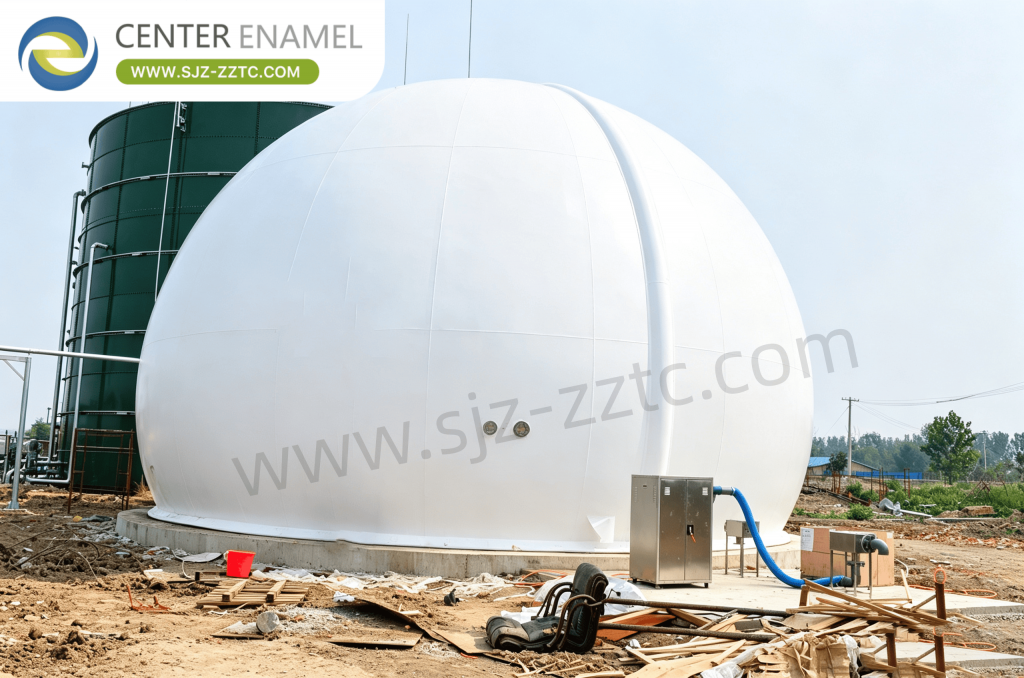
With a properly designed biogas system, livestock farms can transform cattle, pig, and poultry manure into useful agricultural products while recovering renewable energy and improving waste management efficiency.
Let's explore the complete process of converting livestock manure into organic fertilizer.
Manure Collection and Raw Material Preparation
The first step in producing organic fertilizer from livestock manure is collecting and preparing the raw materials.
Common feedstocks include:
Cow and dairy manure
Pig manure
Poultry manure
Other biodegradable agricultural organic waste
Manure is collected from livestock housing areas and transported to a centralized treatment facility.
Before entering the anaerobic digestion system, the raw materials generally require pretreatment. This may include:
Removing stones, sand, plastic, and other impurities.
Crushing or screening large solid materials.
Adjusting moisture content.
Mixing manure with water to achieve suitable pumpability and solids concentration.
Proper pretreatment protects downstream equipment, improves feeding stability, and creates suitable conditions for anaerobic digestion.
Anaerobic Digestion in a CSTR Biogas Reactor
After pretreatment, the prepared manure is pumped into a CSTR (Continuous Stirred Tank Reactor).
A CSTR is a sealed anaerobic digestion tank designed to provide continuous mixing and stable biological treatment.
Inside the reactor, microorganisms break down biodegradable organic matter without oxygen. Through a series of biological reactions, organic compounds are converted into biogas and digestate.
The main products are:
Biogas: Primarily composed of methane and carbon dioxide, with small amounts of other gases. After appropriate treatment, it can be used for heating, electricity generation, or upgraded into renewable natural gas.
Digestate: The remaining material after anaerobic digestion. It contains water, residual organic matter, and valuable plant nutrients.
During operation, temperature, pH, organic loading rate, and hydraulic retention time need to be properly controlled to maintain stable digestion performance.
Digestate Discharge and Buffer Tank Storage
After anaerobic digestion, the digestate is discharged from the CSTR reactor and transferred into a buffer tank.
The buffer tank plays an important role in stabilizing the downstream treatment process.
Its main functions include:
Temporarily storing discharged digestate.
Balancing fluctuations in digestate flow.
Providing a relatively stable feed supply for solid-liquid separation.
Supporting continuous and coordinated equipment operation.
Without sufficient buffering capacity, variations in digester discharge may affect the operating efficiency of downstream separation equipment.
The buffer tank therefore acts as an important connection between anaerobic digestion and digestate processing.
Solid-Liquid Separation of Digestate
The next stage is solid-liquid separation.
As illustrated in the process diagram, digestate from the buffer tank is pumped into a mechanical solid-liquid separator.
Equipment such as screw press separators can separate the digestate into two fractions:
Solid fraction (fibrous digestate):
Contains residual organic matter and nutrients.
Has a relatively higher dry matter content.
Can be further processed into compost or organic soil amendments.
Liquid fraction (liquid digestate):
Contains water-soluble nutrients, including nitrogen, phosphorus, and potassium.
Can be stored for agricultural use.
Can undergo additional treatment or nutrient recovery.
This separation process makes digestate easier to transport, store, and manage while creating two different fertilizer product streams.
Processing Solid Digestate into Organic Fertilizer
The separated fibrous digestate can be further processed into organic fertilizer.
Depending on the intended product and local requirements, common processing methods include:
Step 1: Dewatering
The solid fraction is mechanically separated to reduce excess moisture.
Step 2: Composting
The fibrous material can undergo aerobic composting to further stabilize organic matter. Temperature, moisture, aeration, and composting time should be controlled.
Step 3: Drying and Maturation
After composting, the material can be dried and matured to achieve the required moisture content and product stability.
Step 4: Screening and Packaging
The finished material can be screened to obtain a more uniform particle size. Depending on market requirements, it may be granulated and packaged for agricultural distribution.
The resulting product can be used as an organic fertilizer or soil amendment, subject to appropriate quality testing and applicable regulations.
Liquid Digestate Storage and Fertilizer Utilization
The liquid fraction from the solid-liquid separator follows a different treatment pathway.
As shown in the diagram, liquid digestate can be transferred into a black film pond for temporary storage.
A black film pond provides a practical storage solution for liquid digestate and helps farms manage seasonal differences between fertilizer production and agricultural demand.
After appropriate assessment and treatment, liquid digestate can be used in several ways:
Applied to agricultural land as liquid fertilizer.
Supplied to irrigation systems where permitted.
Further treated to reduce pollutants or recover nutrients.
Processed into concentrated liquid fertilizer.
Before agricultural application, nutrient content and application rates should be evaluated according to crop requirements and local environmental regulations.
Biogas Collection and Renewable Energy Utilization
Although the main objective of this article is organic fertilizer production, biogas recovery is another important benefit of anaerobic digestion.
During the CSTR digestion process, microorganisms generate biogas, which is collected through a gas handling system.
The gas generally requires treatment to remove moisture and hydrogen sulfide before utilization.
Depending on project requirements, biogas can be used for:
Generating electricity through a biogas generator.
Producing heat for farm operations.
Supplying heat to maintain digester temperature.
Upgrading into biomethane for suitable applications.
By recovering energy from livestock manure, farms can reduce their dependence on conventional energy sources and improve the overall economic value of waste treatment.
Complete Livestock Manure-to-Organic-Fertilizer Process Flow
The following table summarizes the complete treatment process.
| Processing Stage | Main Equipment | Main Function |
| Manure collection | Collection and feeding system | Collect livestock waste |
| Pretreatment | Screening and mixing equipment | Remove impurities and adjust feedstock |
| Anaerobic digestion | CSTR biogas reactor | Produce biogas and digestate |
| Digestate storage | Buffer tank | Balance material flow |
| Solid-liquid separation | Screw press separator | Separate solid and liquid digestate |
| Solid processing | Composting and drying equipment | Produce organic fertilizer |
| Liquid processing | Black film pond and treatment equipment | Store and manage liquid digestate |
| Energy recovery | Gas treatment and utilization system | Recover renewable energy |
Solid and Liquid Digestate: Different Products, Different Uses
| Comparison | Solid Digestate | Liquid Digestate |
| Main characteristics | Fibrous, higher dry matter | Water-based, contains dissolved nutrients |
| Further processing | Composting, drying, screening | Storage, treatment, nutrient recovery |
| Main applications | Organic fertilizer, soil amendment | Liquid fertilizer, agricultural irrigation |
| Storage method | Covered solid storage | Storage tanks or black film ponds |
The specific treatment configuration depends on manure characteristics, farm capacity, fertilizer requirements, and local environmental standards.
Why Choose Anaerobic Digestion for Livestock Manure Treatment?
Anaerobic digestion provides an integrated solution for livestock waste management and resource recovery.
Its major advantages include:
1. Waste Resource Utilization
Animal manure is transformed into useful agricultural resources instead of being treated only as waste.
2. Renewable Energy Production
Biogas provides an additional energy source for agricultural operations.
3. Nutrient Recycling
Digestate retains valuable plant nutrients that can be recovered and returned to agricultural land.
4. Improved Waste Management
Properly designed digestion systems can help reduce manure-related odors and uncontrolled methane emissions.
5. Multiple Revenue Opportunities
Depending on product quality and local market conditions, farms may generate additional value from biogas, solid organic fertilizer, and liquid fertilizer.
Center Enamel: Your One-Stop Biogas Solution Provider
Converting livestock manure into organic fertilizer requires more than individual pieces of equipment. It requires an integrated system that connects manure pretreatment, anaerobic digestion, biogas utilization, digestate separation, and fertilizer processing.
Center Enamel is a leading biogas solution provider, offering integrated equipment and process solutions for agricultural waste treatment and biogas projects.
Our solutions can cover:
CSTR anaerobic digestion systems.
Glass-Fused-to-Steel storage tanks.
Buffer tanks and digestate storage systems.
Solid-liquid separation equipment.
Black film pond solutions.
Biogas storage and utilization systems.
Integrated engineering and process support.
By combining equipment manufacturing capabilities with process engineering expertise, Center Enamel helps customers develop biogas projects tailored to their feedstocks, processing capacities, and project objectives.
Whether you are planning a new livestock manure treatment facility or upgrading an existing biogas plant, Center Enamel can help you build an efficient manure-to-energy and organic fertilizer production system.
Turn livestock manure into valuable resources with Center Enamel. Contact our team today to discuss your biogas project and receive a customized equipment and process solution.
Frequently Asked Questions (FAQs)
FAQ 1: Can livestock manure be directly converted into organic fertilizer?
Livestock manure can be processed into organic fertilizer through anaerobic digestion and subsequent digestate treatment. After digestion, the solid fraction can undergo composting, drying, and maturation, while the liquid fraction can be treated and utilized as liquid fertilizer. Product quality testing and regulatory compliance are essential.
FAQ 2: What equipment is needed to convert livestock manure into organic fertilizer?
A typical system includes manure collection equipment, pretreatment equipment, a CSTR anaerobic digester, a buffer tank, a solid-liquid separator, digestate storage facilities, and solid or liquid fertilizer processing equipment. A biogas collection and utilization system can also be integrated to recover renewable energy.
FAQ 3: What is the difference between solid and liquid digestate?
Solid digestate contains more fibrous organic material and can be processed into compost or solid organic fertilizer. Liquid digestate contains water-soluble nutrients and can be stored, treated, and applied as liquid fertilizer according to crop nutrient requirements and local regulations.