
Industrial Biogas Production Systems: Turning Organic Waste into Clean Energy and Resources
Biogas is a mixed combustible gas produced through the microbial fermentation of organic matter in a strictly anaerobic environment. Composed primarily of methane and carbon dioxide, it serves as a versatile, high-efficiency renewable energy source.
Implementing industrial-scale biogas production transforms unwanted municipal, agricultural, and industrial discards into clean power, fuel, and bio-fertilizer. By achieving "reduction, harmlessness, and resource utilization," advanced waste-to-energy systems play a pivotal role in global carbon neutrality and circular economy initiatives.
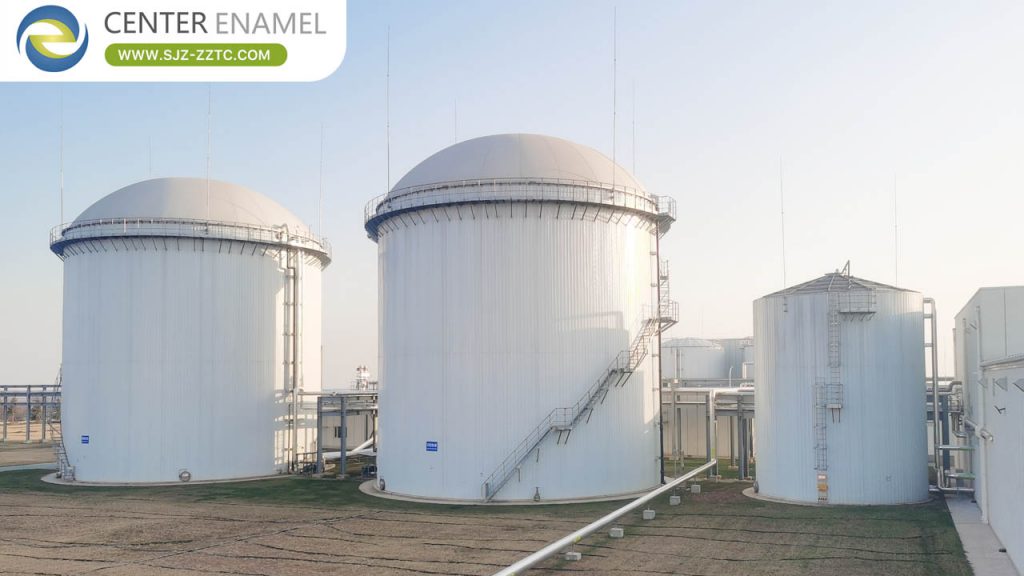
Why Choose Biogas? Strategic Advantages
Investing in biogas infrastructure delivers multi-dimensional benefits across sustainability, environmental protection, energy security, and economic return:
- Resource Sustainability: Utilizes abundant, cheap, and renewable raw materials—such as agricultural waste, industrial organic wastewater, and urban domestic refuse—without competing for primary resources.
- Environmental Protection & Carbon Neutrality: Combustion forms a closed carbon cycle with significantly lower emission intensity than fossil fuels. It eliminates fugitive methane emissions from open dumping and prevents water body eutrophication.
- Energy Reliability and Storage: With a methane content of 55% to 70%, biogas possesses an energy density close to natural gas. Unlike intermittent solar or wind power, stored biogas provides stable, dispatchable baseload energy for power generation, heating, cooking, and vehicle fuel.
- Comprehensive Economic Benefits: Generates revenue streams through energy sales, high-grade organic bio-fertilizer production (from digestate and slurry), and municipal waste processing fees.
The Five Core Industrial Systems of Biogas Production
Modern industrial biogas facilities—exemplified by advanced modular engineering from providers like Wuxi Baomai Green Energy Technology Co., Ltd.—integrate co-digestion and fermentation with bio-natural gas refining technology across five core operational systems:
1. Collection and Transportation System
Serving as the industrial front-end logistics and primary treatment unit for kitchen waste and grease, this system manages material transfer from the waste generation source to the plant.
- Sealed special transport vehicles deliver materials to reception ponds and hoppers.
- Natural gravity sedimentation achieves preliminary oil-water separation, temporarily storing floating oils while routing water and solids to subsequent stages for uniform mixing.
2. Pretreatment System
The pretreatment section extracts valuable by-products and prepares the organic fraction for biological conversion through two subsystems:
- Grease Separation Subsystem: Uses physical separation, heating, sedimentation, and filtration to recover qualified industrial oil raw materials for biodiesel or chemical manufacturing.
- Solid Waste Pretreatment Subsystem: Employs industrial crushers, screening equipment, and cyclonic sand removal units to strip non-organic impurities (stones, metals, sand) and homogenize food waste into a refined organic slurry.
3. Anaerobic Digestion System
As the core industrial reaction unit, this system uses hydrolysis tanks and anaerobic digestion tanks to convert organic matter into energy products:
- Pretreated organic slurry is thermally adjusted via heat exchangers and pumped into anaerobic hydrolysis tanks to break down complex macromolecules.
- Materials then enter anaerobic digestion tanks, where specialized anaerobic microorganisms degrade organic matter into biogas and a mixture of biogas residue and slurry.
4. Biogas Treatment and Utilization System
This industrial purification and energy conversion unit transforms raw biogas into high-purity terminal energy:
- Raw biogas passes through biological desulfurization towers to remove hydrogen sulfide, followed by dehydration and decarbonization to isolate high-purity methane.
- Purified biogas is converted into electrical energy via generator sets, industrial thermal energy via waste heat boilers, or compressed natural gas (CNG) for external supply. A fully automatic flare torch system securely disposes of surplus gas in compliance with environmental regulations.
5. Biogas Residue and Slurry Treatment System
Post-digestion materials undergo thorough downstream processing:
- Solid Management: Dehydration systems separate solid biogas residue, which is dried and granulated into high-efficiency organic fertilizer.
- Liquid Management: Part of the liquid biogas slurry is recycled back to the pretreatment section, while surplus liquid is routed to a supporting wastewater treatment plant to meet discharge standards.
Comparative Data Table: The Five Core Biogas Systems
| Core System | Primary Equipment & Facilities | Main Industrial Function |
| 1. Collection & Transport | Sealed trucks, reception ponds, gravity hoppers | Front-end logistics, initial oil-water separation, temporary storage |
| 2. Pretreatment | Crushers, sand separators, oil-water thermal separators | Impurity removal, heavy sediment extraction, slurry homogenization |
| 3. Anaerobic Digestion | Heat exchangers, hydrolysis tanks, digester tanks | Microbial conversion of organic matter into biogas and digestate |
| 4. Biogas Treatment | Desulfurization towers, CHP engines, CNG devices, flare torch | Gas purification, moisture removal, and energy conversion (power/heat/CNG) |
| 5. Residue & Slurry | Dehydration units, granulators, wastewater treatment units | Solid-liquid separation, organic fertilizer production, liquid recycling |
Frequently Asked Questions (FAQ)
Q1: What are the five core systems of an industrial biogas production plant?
A: An industrial biogas facility relies on five integrated systems: 1) Collection and Transportation System, 2) Pretreatment System, 3) Anaerobic Digestion System, 4) Biogas Treatment and Utilization System, and 5) Biogas Residue/Slurry Treatment System. Together, they manage material intake, impurity removal, biological conversion, gas purification, and by-product valorization.
Q2: How does the pretreatment system protect the anaerobic digestion process?
A: The pretreatment system uses specialized crushers, screens, and cyclonic sand separators to strip out damaging inorganic impurities like stones, glass, metals, and heavy sand. It also extracts waste grease and homogenizes food waste into a uniform organic slurry, preventing equipment clogging and biological inhibition in the digester.
Q3: What terminal energy products can be generated from purified biogas?
A: Once purified and upgraded—through biological desulfurization, dehydration, and decarbonization—biogas can be converted into electrical energy via generator sets, thermal heating energy via boilers, or compressed natural gas (CNG) for vehicle fuel and pipeline injection.