
Industrial Guide to Choosing a Reliable CNG Biogas Plant for Renewable Energy Projects
The global transition toward decentralized clean energy and decarbonized transport has accelerated the commercial deployment of CNG biogas plants (also known as Bio-CNG or Compressed Biogas plants). These industrial facilities bridge the gap between organic waste management and clean fuel distribution by transforming agricultural residues, animal manure, municipal solid waste, or industrial organic effluent into high-purity biomethane (>95% to 99% CH4) that matches fossil-derived natural gas.
Selecting and investing in a reliable industrial-grade CNG biogas plant requires careful evaluation of feedstock properties, anaerobic digestion efficiency, gas upgrading technologies, and long-term operational support. This guide outlines the core engineering criteria and strategic benchmarks facility developers must evaluate.
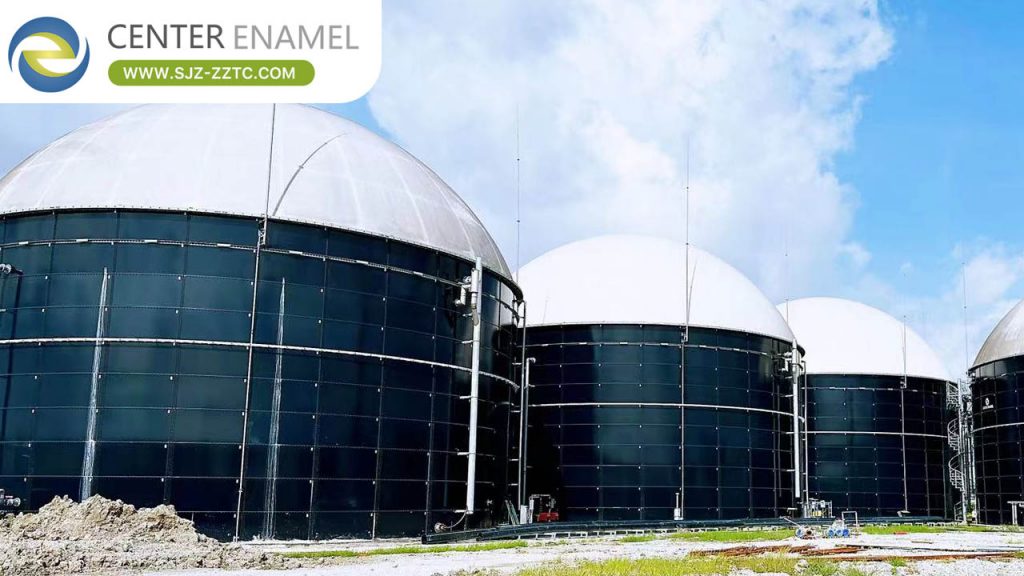
Core Stages of an Industrial CNG Biogas Facility
A robust, commercial-scale CNG biogas plant integrates four interdependent processing phases:
- Anaerobic Digestion (Source Generation): Organic feedstock is broken down by specialized microbial consortia inside sealed bioreactors (such as Continuous Stirred-Tank Reactors or plug-flow systems) to generate raw biogas containing 50%–65% methane and various contaminants.
- Purification and Dehydration: Raw gas passes through condensation units, chillers, and chemical or biological desulfurization towers to strip out corrosive hydrogen sulfide (H2S) and moisture.
- Biogas Upgrading (CO2 Separation): The core purification step removes carbon dioxide to elevate methane concentration to vehicle or grid injection standards (>97%).
- Compression and Cascading Storage: The purified biomethane is pressurized via multi-stage industrial compressors (typically up to 200–250 bar) and stored in high-pressure gas cascades ready for transport or vehicle dispensing.
Comparative Data Table: Biogas Upgrading Technologies for CNG Plants
Selecting the correct upgrading technology dictates the capital expenditure (CAPEX), operating expenditure (OPEX), and overall methane recovery rate of the project:
| Upgrading Technology | Optimal Flow Rate Range | Methane Purity (CH4) | Methane Recovery Rate | Key Operational Characteristic |
| Water Scrubbing | Medium to Large (>1000 Nm3/h) | 96% – 98% | 98% – 99% | Robust physical absorption; requires high water recycling infrastructure. |
| Pressure Swing Adsorption (PSA) | Medium to Large (>500 Nm3/h) | 95% – 98% | 96% – 98% | Uses molecular sieves; highly automated with rapid cycle timing. |
| Membrane Separation | Highly Scalable (Small to Large) | 97% – 99%+ | >99.5% | Low energy footprint, modular expansion, and minimal moving parts. |
| Amine Scrubbing (Chemical) | Large to Very Large (>1500 Nm3/h) | 99%+ | >99.9% | Chemical absorption achieving negligible methane slip; higher thermal energy demand. |
Critical Selection Criteria for Industrial Buyers
When vetting engineering partners and equipment manufacturers for a commercial CNG biogas plant, stakeholders must examine several non-negotiable parameters:
- Feedstock Adaptability: Ensure the digestion setup can handle seasonal feedstock variations (e.g., shifting from livestock manure to agricultural crop residues or food waste) without triggering system acidification or biological failure.
- Compliance and Safety Standards: Verify that components—especially compressors, pressure vessels, gas storage cascades, and dispensing units—comply with recognized international or regional codes (such as PESO, ISO, or regional gas grid safety mandates).
- Energy Self-Sufficiency: Evaluate whether the plant can utilize waste heat from combined heat and power (CHP) units or localized thermal integration to power the upgrading and amine regeneration skids, optimizing net energy yield.
- Turnkey Engineering and After-Sales Support: Prioritize manufacturers who offer end-to-end services, covering initial lab-scale feedstock testing, detailed civil engineering, automated PLC control integration, spare parts availability, and long-term maintenance contracts.
Frequently Asked Questions (FAQ)
Q1: What is the required methane purity for commercial Bio-CNG / Compressed Biogas?
A: To meet standard automotive and commercial grid injection criteria, purified biomethane must generally achieve a methane concentration of at least 95% to 97% or higher, while strictly limiting trace contaminants like carbon dioxide, hydrogen sulfide, oxygen, and moisture.
Q2: Which upgrading technology offers the lowest methane loss for medium-scale plants?
A: Modern multi-stage membrane separation systems generally provide exceptional methane recovery rates exceeding 99.5% with minimal methane slip, making them highly efficient and modular for various industrial plant scales.
Q3: How does feedstock selection influence the sizing of a CNG biogas plant?
A: Feedstock directly dictates the volatile solids content, biochemical methane potential (BMP), and hydraulic retention time. High-energy feedstocks (like food waste or industrial starch waste) yield higher gas volumes per ton compared to fibrous agricultural straw, requiring proportional adjustments to digester volume, mixing strength, and compressor capacity.