
Industrial High-Strength Wastewater Anaerobic Treatment: IC And UASB
Industrial high-strength wastewater anaerobic treatment applies UASB and IC reactors to very strong dissolved effluents from breweries, pharmaceutical plants, and food processors - often 5,000-60,000 mg/L COD. These high-rate reactors recover biogas while cutting most organic load; success depends on managing salinity, toxicity, and a healthy granular sludge bed. The design is driven by the effluent's strength and inhibitors, not by a municipal template.
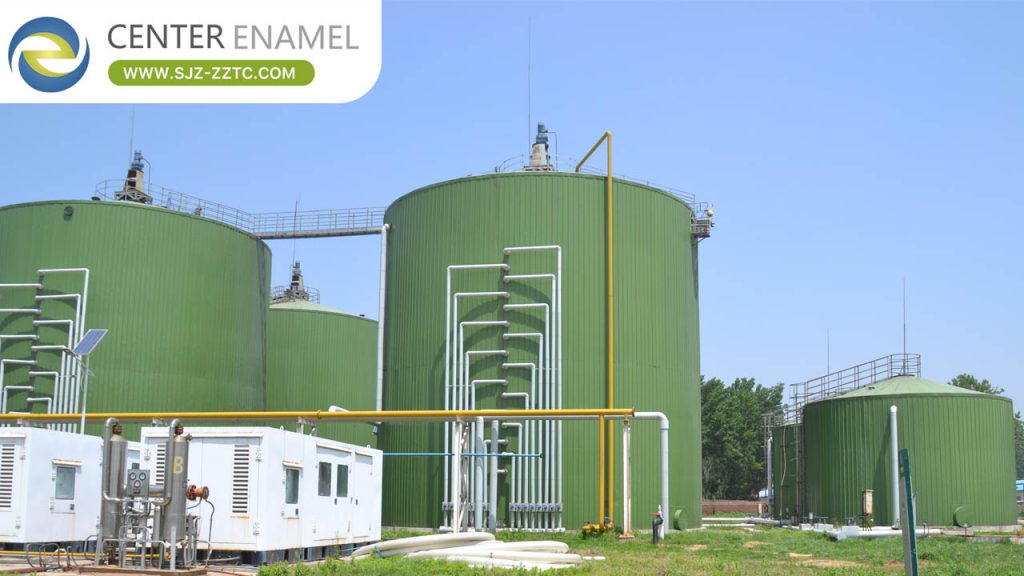
Industries That Fit Anaerobic
Breweries, distilleries, soft-drink and food plants, and pharmaceutical manufacturers all generate warm, dissolved, high-COD streams ideal for anaerobic digestion. The organic load is high and often readily degradable, so the gas yield is attractive and the reactor footprint is small versus aerobic. The catch is that each industry also carries its own inhibitors - salts, solvents, antibiotics residues - that must be characterised before start-up.
| Industry | Typical COD | Watch-out |
| Brewery | 2,000-10,000 | Temperature, pH |
| Food processing | 5,000-30,000 | Oil, solids |
| Pharmaceutical | 10,000-60,000 | Salinity, toxicity |
| Distillery | 30,000-80,000 | High strength |
UASB And IC For High Rate
A UASB relies on a dense granular sludge blanket where the dissolved waste upflows and contacts methanogens at an organic loading rate of roughly 5-15 kg COD/m3 day. An IC reactor adds internal liquid recirculation to push that to 15-30 kg COD/m3 day in a tall, compact vessel. Both need a well-developed granular sludge and stable feed; IC rewards very high strength but demands more height and careful hydraulics.
Managing Salinity And Toxicity
High salinity - common in pharma and some food streams - raises osmotic stress on microbes and must be kept within the tolerance of the culture; gradual acclimation and sometimes dilution are used. Toxicity from solvents or residues is screened in a bench test before the full reactor is fed. These are real operating limits, not footnotes: ignoring them stalls start-up and can wash out the sludge bed.
| Factor | UASB | IC |
| OLR | 5-15 kg COD/m3 d | 15-30 kg COD/m3 d |
| Footprint | Moderate | Compact, tall |
| Start-up | Granule dependent | Granule dependent |
| Best COD | Mid-high | Very high |
Project Case Study: Jiangdong Pharmaceutical Wastewater Treatment
Project / Application: Pharmaceutical (acarbose extraction) plus domestic and mixed industrial wastewater, Hangzhou. Industry: Pharmaceutical. Process: Granular-sludge anaerobic reactors. Key Requirements: COD removal under high salinity.
| Field | Value | Source / Evidence |
| Single Tank Capacity | 1,000 m3/day | Company project reference |
| Reactor Type | Granular Sludge Anaerobic (6 sets) | Company project reference |
| COD Removal | >= 70% | Company project reference |
| Influent COD | 11,200 | Company project reference |
| Effluent COD | 3,024 | Company project reference |
| Salt Tolerance | <= 6,000 mg/L | Company project reference |
About Company
Shijiazhuang Zhengzhong Technology Co., Ltd (Center Enamel) is a comprehensive high-tech enterprise specializing in wastewater engineering, process section contracting, and equipment manufacturing. The company delivers biogas and wastewater projects through three main lines - EPC (turnkey) contracting, equipment supply, and process packages - covering livestock and municipal wastewater, biomass energy, industrial wastewater, and food waste. Its reactor portfolio spans CSTR, USR, UBF, UASB, IC, and EGSB, backed by in-house Glass-Fused-to-Steel tank manufacturing (enamel firing at 820-930 C) and certifications including ISO 9001, NSF/ANSI 61, and CE-EN 1090. With 35+ years of operation, a 150,000 m2 manufacturing base, and projects in 100+ countries, Center Enamel provides the single-responsibility engineering behind the Jiangdong pharma project that ran six granular-sludge anaerobic reactors on high-salinity mixed wastewater, holding >= 70% COD removal at up to 6,000 mg/L salt - a scoped industrial anaerobic application.
Comparison: Industrial Anaerobic Versus Municipal
| Element | Industrial | Municipal |
| Strength | Very high | Low-Mid |
| Reactor | UASB / IC | UBF / UASB |
| Risk | Salinity, toxicity | Shock, grit |
| Goal | COD + energy | COD + N/P |
Industrial high-strength wastewater anaerobic treatment is the inhibitor-aware use of UASB and IC on strong dissolved effluent - scoped from strength, salinity, and a healthy granular bed, not from a municipal design.
Frequently Asked Questions
Q1: Which industries use anaerobic industrial treatment? A1: Breweries, distilleries, food processors, and pharma with high dissolved COD.
Q2: UASB or IC for industrial waste? A2: UASB for mid-high strength; IC for very high strength in a compact tall vessel.
Q3: How is salinity handled? A3: Kept within culture tolerance, acclimated gradually, sometimes diluted.
Q4: What is granular sludge? A4: Dense methanogen aggregates that let high-rate UASB/IC reactors work.
Q5: What COD range fits anaerobic? A5: Often 5,000-60,000 mg/L for industrial effluent.
Q6: Why bench-test first? A6: To screen toxicity and salinity before risking the full reactor.
Q7: Is biogas recovered? A7: Yes - the organic load makes anaerobic energy-positive.
Q8: Who scopes the reactor? A8: An engineer matches UASB/IC to strength, inhibitors, and footprint.
Suggested CTA
Send your effluent strength, salinity, and flow to an engineer, or request a scoped industrial anaerobic outline.