
Industrial Wastewater Treatment in Timor-Leste | UASB Process & EPC Contractor Solutions
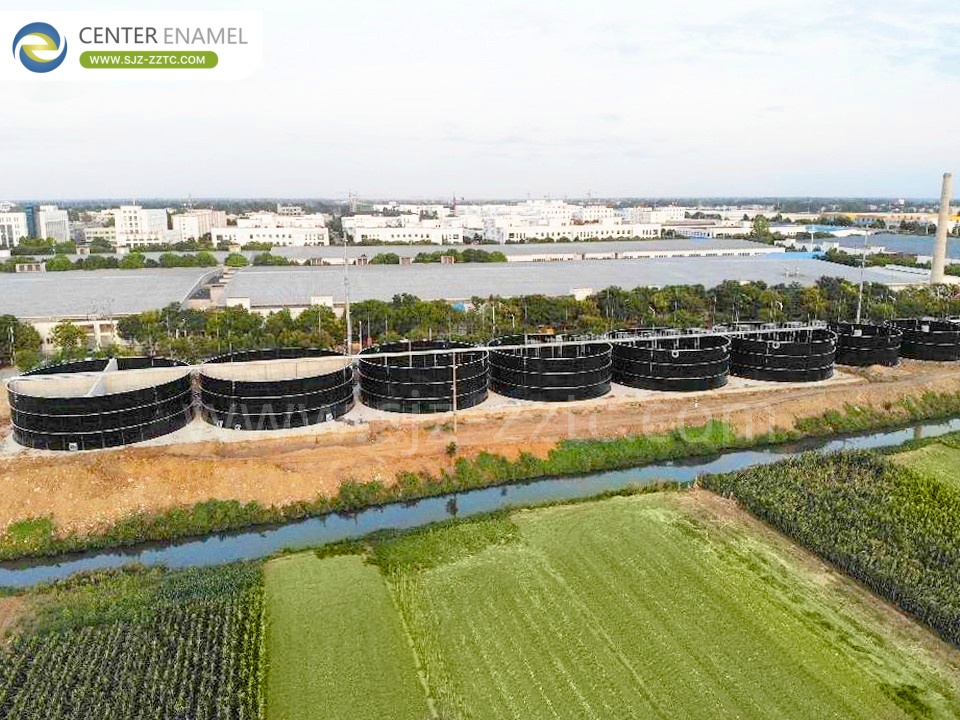
Timor-Leste is steadily developing its food and beverage processing industry. Among the most environmentally sensitive industrial activities is brewery production, which generates large volumes of high-strength organic wastewater. Without proper treatment, this effluent can severely damage local rivers, groundwater, and coastal ecosystems.
A new Biogas Project in Timor-Leste addresses this challenge directly. Designed for a brewery facility, the plant treats 3,000m³ of combined production wastewater and sanitary sewage per day. The treatment train combines UASB Process (Upflow Anaerobic Sludge Blanket) with aerobic CAST (Cyclic Activated Sludge Technology), achieving stringent discharge limits. An experienced EPC Contractor delivered full turnkey services from preliminary planning to site management and project realization.
This article details the technical design, treatment performance, and operational benefits of this industrial wastewater solution.
Why Industrial Wastewater Treatment Matters for Timor-Leste
Timor-Leste’s industrial base is expanding, particularly in agro-processing and beverage manufacturing. Brewery operations, in particular, produce wastewater characterized by:
High organic load – COD and BOD levels far above typical municipal sewage.
Wide pH fluctuations – from acidic cleaning solutions to alkaline caustic washes.
Variable flow rates – batch discharges from bottling, fermentation, and cleaning cycles.
Nutrient content – nitrogen and phosphorus that can cause algal blooms in receiving waters.
Without an effective treatment system, such wastewater would violate environmental regulations, harm aquatic life, and create public health risks. This Biogas Project demonstrates how anaerobic technology can transform a waste stream into a manageable, compliant discharge – while capturing renewable energy as a byproduct.
Project Overview: 3,000m³/day Brewery Wastewater Treatment
| Parameter | Detail |
| Location | Timor-Leste |
| Treatment Type | UASB Process + CAST (Cyclic Activated Sludge Technology) |
| Wastewater Source | Brewery production wastewater + sanitary sewage |
| Flow Rate | 3,000 m³/day |
| Inlet CODcr | 2,500 mg/L |
| Inlet BOD₅ | 1,600 mg/L |
| Inlet TN | 35 mg/L |
| Inlet SS | 500 mg/L |
| Scope by EPC Contractor | Preliminary planning, implementation planning, site management, project realization |
The plant operates continuously, handling daily production surges and cleaning cycles. The combination of anaerobic (UASB) and aerobic (CAST) stages ensures that even high-strength organic loads are reduced to environmentally safe levels.
UASB Process: The Core Anaerobic Treatment Stage
The UASB Process (Upflow Anaerobic Sludge Blanket) is a globally proven technology for high-strength industrial wastewater. Unlike energy-intensive aerobic systems, UASB operates without oxygen, converting organic pollutants into biogas – a renewable energy source.
How the UASB Process Works in This Biogas Project
The UASB reactor is the first major treatment step. Wastewater flows upward through a dense blanket of anaerobic granular sludge. As organic compounds contact the sludge, bacteria break them down into:
Biogas (approximately 60–70% methane, 30–40% CO₂)
New bacterial cells (slowly accumulating as excess sludge)
Treated effluent with significantly reduced organic load
The key components of the UASB system include:
Inlet Distribution System – Ensures uniform flow across the reactor bottom, preventing short-circuiting and dead zones.
Granular Sludge Blanket – Self-immobilized bacteria form dense granules that settle rapidly, maintaining high biomass concentration even at high upflow velocities.
Gas-Liquid-Solid Separator (GLSS) – A three-phase separator captures biogas at the top, allows treated water to exit, and returns settled sludge to the blanket.
Biogas Collection System – Captured methane-rich gas can be flared, used for boiler heating, or sent to a Biogas Project for power generation.
Performance of the UASB Process for Brewery Wastewater
For this 3,000m³/day facility, the UASB Process achieves:
COD removal efficiency: 70–80% (from 2,500 mg/L to approximately 500–750 mg/L)
BOD removal efficiency: Similar range, significantly reducing load on the downstream aerobic stage
Biogas production: Approximately 1,000–1,500 m³/day at full load, depending on influent strength
The UASB stage alone transforms the raw wastewater from a high-strength pollutant into a partially treated stream that is far easier for the aerobic stage to polish.
Advantages of UASB for Tropical Industrial Applications
Timor-Leste’s warm climate (26–32°C year-round) is ideal for mesophilic anaerobic digestion. The UASB Process offers several benefits:
Low energy consumption – no aeration required for the anaerobic stage.
Small footprint – high volumetric loading rates compared to conventional digesters.
Low sludge production – anaerobic bacteria grow slowly, minimizing waste sludge disposal costs.
Biogas recovery – renewable energy that offsets plant operating costs.
Robustness – handles pH and organic load fluctuations common in brewery operations.
CAST: Aerobic Polishing for Final Compliance
While the UASB Process removes the majority of organic pollutants, it cannot alone meet the strict discharge limits for COD (<100 mg/L), BOD (<30 mg/L), and nutrients (N and P). That is why the design includes CAST (Cyclic Activated Sludge Technology) as the secondary treatment stage.
How CAST Works
CAST is a variation of the sequencing batch reactor (SBR) process, but with continuous inflow. It operates in cycles that include:
Fill/Aerate – Mixed liquor receives oxygen, promoting bacterial consumption of residual organics.
Settle – Aeration stops, allowing activated sludge to settle to the tank bottom.
Decant – Treated supernatant is discharged from the top.
Idle – Short period before the next cycle begins.
The cyclic nature creates alternating aerobic and anoxic conditions, which promotes:
Nitrification – conversion of ammonia to nitrate.
Denitrification – conversion of nitrate to nitrogen gas (removed to atmosphere).
Biological phosphorus removal – phosphorus uptake by specialized bacteria.
CAST Performance for This Project
The CAST stage reduces effluent from UASB (COD ~500–750 mg/L, BOD ~300–400 mg/L) to final discharge quality:
| Parameter | Final Outlet | Discharge Standard |
| CODcr | <100 mg/L | Achieved |
| BOD₅ | <30 mg/L | Achieved |
| Total Nitrogen | <15 mg/L | Achieved |
| Total Phosphorus | <0.5 mg/L | Achieved |
| Suspended Solids | <70 mg/L | Achieved |
| pH | 6–9 | Achieved |
The CAST system also handles the sanitary sewage component (domestic wastewater from plant workers), mixing it with pre-treated industrial flow for complete treatment.
The Role of an EPC Contractor in Industrial Wastewater Projects
Delivering a 3,000m³/day treatment plant in Timor-Leste requires expertise across multiple disciplines. The EPC Contractor (Engineering, Procurement, Construction) provides single-point responsibility from concept through commissioning.
Scope Delivered by the EPC Contractor
For this Biogas Project, the EPC Contractor performed:
Preliminary Planning
Site assessment and topographical survey.
Wastewater characterization and treatability studies.
Technology selection (UASB + CAST vs. alternatives).
Hydraulic profile and mass balance calculations.
Regulatory permit assistance.
Implementation Planning
Detailed engineering of UASB reactors (volume, GLSS design, biogas piping).
CAST tank design (cycle timers, decanter mechanism, blower sizing).
Sludge handling and thickening equipment.
Instrumentation and control system (PLC-based).
Civil, mechanical, and electrical drawings.
Site Management
On-site supervision of earthworks, tank construction, and pipe laying.
Quality control and safety compliance.
Coordination between local contractors and international suppliers.
Progress reporting to the client.
Project Realization & Handover
Equipment installation and system integration.
Biological startup: seeding UASB with granular sludge, activating CAST biomass.
Performance testing to guarantee outlet <100 mg/L COD and <30 mg/L BOD.
Operator training for daily rounds, lab sampling, and troubleshooting.
As-built documentation and warranty support.
By engaging a single EPC Contractor, the brewery owner avoided coordination risks between multiple vendors. The turnkey approach ensured that the UASB reactor, CAST tanks, blowers, pumps, and control system all function as an integrated whole.
Technical Durability: Tanks and Equipment for Timor-Leste
Timor-Leste’s tropical climate – high humidity, heavy monsoon rains, and coastal salinity – demands corrosion-resistant materials. The EPC Contractor selected proven technologies:
Anaerobic Reactor (UASB) Construction
Glass-Fused-to-Steel (GFS) tanks – factory-coated panels bolted on-site. Resistant to H₂S and organic acids produced during anaerobic digestion.
Concrete UASB – cast-in-place or precast for larger volumes, with internal epoxy coating for chemical resistance.
For this project, the UASB Process utilizes GFS tanks for rapid installation and future expandability.
CAST Tank Configuration
Epoxy-coated mild steel or concrete for the aerobic reactor.
Fine bubble diffusers for efficient oxygen transfer (energy-saving).
Decanter weirs with corrosion-resistant stainless steel components.
Biogas Handling
Double-membrane gas holder – stores biogas from the UASB for use in boiler or flare.
Biological desulfurization – removes H₂S to protect downstream equipment.
Safety devices – flame arrestors, pressure relief valves, and gas detectors.
Sludge Management
Gravity thickener – concentrates excess sludge from UASB and CAST.
Filter press or centrifuge – dewaters sludge for landfill or agricultural use.
All components are selected for low maintenance and reliability in remote Timorese locations where specialized repair services may be limited.
Environmental and Operational Benefits
Pollution Reduction
The plant removes from the wastewater stream:
7,200 kg/day of COD (from 2,500 mg/L to <100 mg/L over 3,000m³)
4,800 kg/day of BOD (from 1,600 mg/L to <30 mg/L)
Significant nutrients (nitrogen and phosphorus) that would otherwise cause eutrophication.
Biogas as an Energy Resource
The UASB Process produces approximately 1,000–1,500 m³ of biogas daily. At 65% methane content, this equals 650–975 m³ of methane per day. The biogas can be:
Fired in a steam boiler – offsetting fossil fuel use for brewery heating.
Converted to electricity – via a biogas engine (adding power generation to the Biogas Project).
Flared – as a safety measure during maintenance or low-demand periods.
Even when used only for boiler fuel, the biogas reduces the facility’s carbon footprint and operating costs.
Water Reuse Potential
The final effluent meets stringent standards (<100 mg/L COD, <30 mg/L BOD). It can be safely discharged to a river or used for:
Irrigation of non-edible landscaping.
Cooling tower makeup (with additional treatment).
Groundwater recharge.
Regulatory Compliance
The plant ensures the brewery meets Timor-Leste’s environmental discharge regulations, avoiding fines, shutdown orders, and reputational damage.
Scaling Up: From Brewery to Other Industries
The UASB + CAST design is highly transferable to other high-strength industrial wastewaters, including:
Beverage production (soft drinks, juice, spirits).
Food processing (dairy, palm oil, cassava starch).
Pulp and paper (selected fractions).
Pharmaceutical and chemical (after pretreatment).
The same EPC Contractor model applies: preliminary planning, implementation, site management, and commissioning.
A Model for Industrial Wastewater Management in Timor-Leste
This Biogas Project in Timor-Leste proves that brewery production wastewater can be treated reliably and economically using the UASB Process followed by CAST aerobic polishing. The plant transforms a high-strength pollutant into compliant effluent, recovers biogas as renewable energy, and protects local water resources.
The turnkey delivery by an experienced EPC Contractor – from preliminary planning through site management to project realization – removed technical risk and ensured on-time, on-budget completion. For industrial facilities in Timor-Leste and across Southeast Asia, this project serves as a replicable benchmark.
By investing in anaerobic + aerobic treatment, industries can achieve environmental compliance, reduce operating costs through biogas recovery, and demonstrate genuine commitment to sustainable development.
Frequently Asked Questions (FAQs)
Q1: Why is the UASB Process better than aerobic-only treatment for brewery wastewater?
The UASB Process handles high organic loads (COD up to 2,500 mg/L or more) with very low energy consumption – no aeration is needed. It also produces biogas, a renewable energy source. Aerobic-only systems would require massive blower energy and produce much more waste sludge. By placing UASB first, the overall treatment cost is significantly lower.
Q2: Can Center Enamel deliver a similar Biogas Project for my facility as the EPC Contractor?
Yes. As an EPC Contractor, Center Enamel provides complete turnkey solutions including preliminary planning, implementation planning, site management, and project realization. Center Enamel’s glass-fused-to-steel tanks and bolted reactor designs are ideal for the UASB Process in tropical environments like Timor-Leste. Contact their team with your flow rate and influent characteristics for a customized proposal.
Q3: What is the typical biogas yield from a UASB treating brewery wastewater?
For brewery wastewater with an influent COD of 2,500 mg/L and a flow of 3,000 m³/day, the UASB Process typically removes 70–80% of the COD. Approximately 0.35 m³ of methane is produced per kg of COD removed. This yields roughly 1,000–1,500 m³ of raw biogas daily (60–70% methane). This biogas can replace up to 500–750 liters of fuel oil per day when used in a boiler.