
Innovative Anaerobic Technologies for Large-Scale Dairy Farm Wastewater Treatment Projects
Large-scale dairy farming is vital to global food security, yet it generates immense volumes of nutrient-rich wastewater that create significant environmental and operational challenges. Shijiazhuang Zhengzhong Technology Co., Ltd (Center Enamel) delivers Innovative Anaerobic Technologies specifically engineered to transform this wastewater from an environmental liability into valuable renewable energy and nutrient resources for Large-Scale Dairy Farm Wastewater Treatment Projects worldwide.
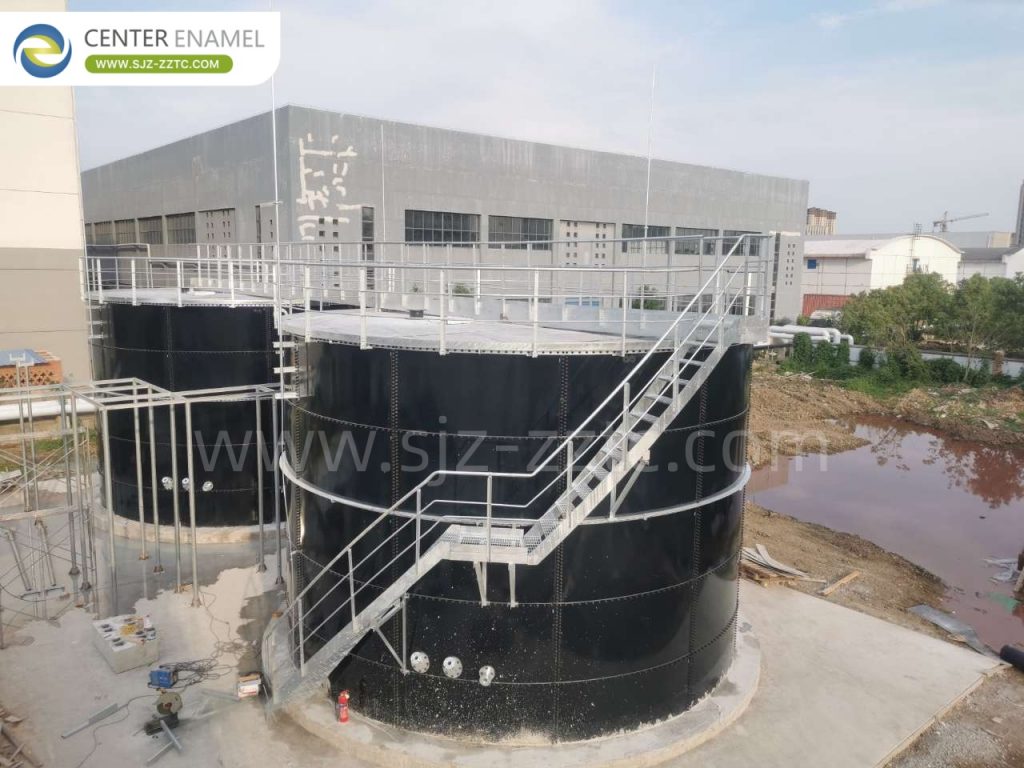
The Amplified Challenges of Large-Scale Dairy Farm Wastewater
Large-scale dairy farming, while vital for global food supply, generates enormous quantities of wastewater. This high-volume, complex effluent—primarily composed of manure, urine, parlor wash water, and feed residues—presents magnified challenges compared to smaller operations:
Immense Organic Load: The sheer volume and concentration of organic matter from thousands of cows result in exceptionally high Chemical Oxygen Demand (COD) and Biochemical Oxygen Demand (BOD) levels. Treating this massive organic load requires highly efficient and robust systems to prevent severe environmental pollution.
High Nutrient Concentrations (N&P): Large herds produce wastewater with significantly elevated levels of nitrogen (primarily as ammonia) and phosphorus. Uncontrolled discharge leads to widespread eutrophication of water bodies and groundwater contamination, posing major environmental and regulatory risks.
High Solids Content: The sheer quantity of suspended and dissolved solids, including undigested feed and bedding materials, is amplified in large operations, complicating treatment and requiring advanced solids separation techniques.
Significant Odor Nuisance: The anaerobic decomposition of vast quantities of manure in open storage creates substantial and pervasive odor problems, impacting neighboring communities and leading to frequent complaints and potential legal action.
Substantial Greenhouse Gas Emissions: Large-scale manure management in open lagoons or storage is a major source of atmospheric methane (CH₄) and nitrous oxide (N₂O), potent greenhouse gases. Mitigating these emissions is a critical environmental imperative for large dairies.
Addressing these amplified complexities effectively requires Innovative Anaerobic Technologies that can scale efficiently and reliably for Large-Scale Dairy Farm Wastewater Treatment Projects.
Table 1: Key Challenges of Large-Scale Dairy Wastewater vs. Treatment Implications
| Challenge | Primary Cause | Environmental/Operational Risk | Treatment Implication |
| Immense Organic Load | Manure, urine, feed residues from thousands of cows | Severe water pollution; high COD/BOD discharge | Requires high-rate anaerobic systems with robust organic loading capacity |
| High Nutrient Concentrations (N&P) | Concentrated animal waste; ammonia-rich urine | Eutrophication; groundwater contamination | Needs advanced nutrient recovery (ammonia stripping, struvite precipitation) |
| High Solids Content | Undigested feed, bedding materials, suspended solids | Treatment inefficiency; equipment clogging | Demands efficient solid-liquid separation pre-treatment |
| Significant Odor Nuisance | Anaerobic decomposition in open storage | Community complaints; legal action risk | Sealed anaerobic reactors eliminate odor release |
| Substantial GHG Emissions | Open lagoon methane (CH₄) and nitrous oxide (N₂O) | Climate impact; regulatory pressure | Gas-tight biogas capture systems required |
The Power of Innovative Anaerobic Technologies for Large-Scale Dairy Wastewater
Innovative Anaerobic Technologies, particularly advanced high-rate anaerobic digestion systems, offer a uniquely powerful and multifaceted approach to treating large volumes of dairy farm wastewater. They are exceptionally well-suited to handle immense organic loads while simultaneously delivering significant environmental and economic benefits on a grand scale:
Massive Renewable Energy Production (Biogas): The enormous quantity of organic matter generated by large dairies translates into significant potential for biogas production. This methane-rich biogas can be captured and efficiently utilized on-site for:
Large-Scale Electricity Generation: Powering the entire dairy operation (milking parlors, cooling systems, lighting, offices), significantly reducing energy bills and potentially selling surplus electricity back to the grid for substantial revenue.
Process Heat: Providing heat for digesters, barns, or other large-scale farm facilities, offsetting large fossil fuel consumption.
Biomethane Production: Upgraded biogas (biomethane) can be injected into the natural gas pipeline or used as vehicle fuel for farm fleets, opening up significant revenue streams and showcasing environmental leadership.
Profound Odor Reduction: By containing the decomposition process within sealed, high-capacity reactors, anaerobic digesters drastically cut down the release of noxious odorous compounds, fundamentally improving air quality around the dairy farm and mitigating widespread community complaints.
Significant Pathogen Reduction: The controlled conditions within large anaerobic digesters, especially with consistent temperatures (mesophilic or thermophilic) and appropriate retention times, effectively inactivate or significantly reduce the concentration of pathogens in the treated digestate, making it safer for subsequent handling and land application.
Enhanced Nutrient Management and Recovery Potential: Anaerobic digestion transforms organic nitrogen into plant-available ammonia. On a large scale, this facilitates subsequent advanced nutrient recovery technologies (e.g., ammonia stripping, struvite precipitation, membrane separation) to produce concentrated nutrient products that can be transported more economically or sold.
Lower Operational Energy Consumption: Operating without oxygen, anaerobic systems eliminate the need for costly and energy-intensive aeration, which is the largest energy consumer in aerobic wastewater treatment. This dramatically reduces the long-term operational expenditure of Large-Scale Dairy Farm Wastewater Treatment Projects.
Innovative Anaerobic Technologies for Large-Scale Dairy Farm Wastewater Treatment Projects
Center Enamel offers and integrates a diverse portfolio of Innovative Anaerobic Technologies specifically scaled and optimized for the unique demands of Large-Scale Dairy Farm Wastewater Treatment Projects:
Large-Volume Complete Mix Digesters (CMD / CSTR): These massive, heated, and continuously stirred tank reactors are ideal for high-solids dairy slurries from thousands of cows. They ensure maximum contact between microorganisms and substrate, leading to consistently high biogas yields and stable performance even with the inherent variations in large dairy operations. Their robust design makes them resilient.
Multi-Stage Anaerobic Systems: For optimal efficiency and specific treatment goals, we often implement multi-stage anaerobic systems (e.g., an initial hydrolysis tank followed by an anaerobic digester, or a UASB for liquid effluent post-solids separation). This allows for optimized conditions for different microbial communities, maximizing biogas production and pollutant removal.
Upflow Anaerobic Sludge Blanket (UASB) & Expanded Granular Sludge Bed (EGSB) Reactors: While traditionally used for industrial wastewater, these high-rate granular sludge technologies are increasingly innovatively applied to the liquid fraction of dairy manure after efficient solids separation. Their ability to handle high organic loading rates within a compact footprint makes them highly suitable for the large volumes of liquid effluent found in large dairies. EGSBs offer even higher loading rates and efficiency.
Anaerobic Membrane Bioreactors (AnMBR): For projects demanding the highest effluent quality, minimal footprint, and superior biogas production, AnMBRs combine anaerobic digestion with membrane filtration. This innovative technology ensures excellent effluent quality (free of suspended solids), prevents biomass washout, and allows for high biomass concentrations, leading to robust and stable operation for large-scale applications.
Covered Anaerobic Lagoons (CALs): For extremely large volumes of more dilute dairy wastewater on farms with abundant land, covered anaerobic lagoons offer a cost-effective primary anaerobic treatment step. The gas-tight cover enables large-scale biogas capture, significantly reducing greenhouse gas emissions and providing a substantial energy source.
Integrated Treatment Trains: The most effective Large-Scale Dairy Farm Wastewater Treatment Projects invariably involve a comprehensive integration of these anaerobic technologies with robust pre-treatment (e.g., advanced solid-liquid separation, equalization basins, grit removal) and targeted post-treatment (e.g., aerobic polishing, advanced nutrient removal/recovery systems like ammonia stripping, struvite precipitation, reverse osmosis, and digestate dewatering/composting) to achieve stringent discharge standards or facilitate water and nutrient reuse.
Table 2: Comparison of Anaerobic Technologies for Large-Scale Dairy Wastewater Treatment
| Technology | Best Suited For | Key Advantages | Typical Application Stage |
| Complete Mix Digester (CSTR) | High-solids dairy slurries | Maximum microorganism-substrate contact; stable performance | Primary digestion |
| Multi-Stage Anaerobic Systems | Optimized microbial conditions | Maximized biogas and pollutant removal | Hydrolysis + primary digestion |
| UASB / EGSB Reactors | Liquid fraction after solids separation | High loading rates; compact footprint | Secondary/tertiary treatment |
| Anaerobic Membrane Bioreactor (AnMBR) | Highest effluent quality requirements | Superior effluent; no biomass washout; high biomass concentration | Advanced treatment |
| Covered Anaerobic Lagoon (CAL) | Large volumes of dilute wastewater; abundant land | Cost-effective; large-scale biogas capture | Primary treatment |
| Integrated Treatment Train | Full regulatory compliance + resource recovery | Complete solution; water/nutrient reuse | Full system integration |
The Indispensable Role of Robust Infrastructure: Center Enamel's Large-Scale Tank Solutions
The long-term operational success, efficiency, and reliability of any Large-Scale Dairy Farm Wastewater Treatment Project critically depend on the integrity and durability of its containment infrastructure. The sheer scale and corrosive nature of dairy wastewater necessitate robust, high-capacity tanks. Center Enamel's expertise in manufacturing world-class, durable tank solutions is a cornerstone of our offerings:
Glass-Fused-to-Steel (GFS) Tanks: As a premium solution, GFS tanks (also known as Glass-Lined-Steel tanks) offer unparalleled and long-lasting corrosion resistance. The inert glass coating is chemically bonded to the steel at high temperatures, creating an incredibly durable, impermeable, and long-lasting barrier that is ideally suited for the highly corrosive environment of dairy manure and biogas (which often contains corrosive hydrogen sulfide). They ensure an exceptionally long service life with minimal maintenance, making them the preferred choice for large-scale anaerobic digesters, digestate storage, and other critical process tanks.
Fusion Bonded Epoxy Tanks (Bolted Steel Tanks): Our flagship bolted steel tanks are constructed from steel sheets coated with a factory-applied, highly durable fusion bonded epoxy. This multi-layer coating provides excellent resistance to a wide range of chemicals found in dairy wastewater and offers a robust, cost-effective, and long-lasting solution for large-volume anaerobic digester reactors, biogas storage, manure reception, and digestate holding.
For all our large-scale tank types, Center Enamel ensures:
Precision Engineering for Massive Volumes: Our tanks are engineered and manufactured with utmost precision to handle the immense hydrostatic pressures and volumes inherent in large-scale dairy operations, ensuring structural integrity and safety.
Seamless, Gas-Tight Construction: Our advanced manufacturing processes and state-of-the-art sealing technologies guarantee completely gas-tight and liquid-tight containment. This is vital for maximizing biogas capture efficiency, preventing environmental contamination, and maintaining optimal anaerobic conditions.
Modular and Scalable Designs: Our bolted tank designs offer inherent flexibility in sizing, allowing for custom solutions that perfectly match the vast scale of any large dairy farm. The modular nature also facilitates rapid installation, even on complex sites, and easy future expansion as herd sizes or treatment needs grow.
Center Enamel: Your Strategic Partner for Large-Scale Dairy Farm Wastewater Treatment
Shijiazhuang Zhengzhong Technology Co., Ltd (Center Enamel) provides end-to-end EPC (Engineering, Procurement, and Construction) services for Large-Scale Dairy Farm Wastewater Treatment Projects, offering a holistic approach from initial concept to successful commissioning and ongoing support:
Detailed Wastewater Characterization and Energy Assessment: Comprehensive analysis of your dairy farm's specific wastewater characteristics (volume, organic load, nutrient content) and energy demands to design the most efficient and economically beneficial Innovative Anaerobic Technologies system.
Customized System Design & Optimization: Our experienced engineers develop bespoke Innovative Anaerobic Technologies solutions, integrating the optimal high-rate digester technology, advanced pre-treatment, and sophisticated post-treatment strategies to meet specific farm needs, stringent regulatory requirements, and resource recovery goals.
High-Quality Large-Scale Tank Manufacturing & Supply: Fabrication and supply of our durable Glass-Fused-to-Steel or Fusion Bonded Epoxy tanks, engineered for the demands of large-scale dairy operations, ensuring reliable and long-lasting containment.
Advanced Biogas System Integration: Design and integration of complete biogas handling and utilization systems, including large-scale collection, high-efficiency desulfurization, compression, storage, and advanced energy conversion units (e.g., large-scale CHP or biomethane upgrading for grid injection).
Comprehensive Support & Optimization: Providing long-term technical support, extensive operator training, and continuous process optimization guidance to ensure the sustained efficiency, reliability, and profitability of your Large-Scale Dairy Farm Wastewater Treatment Project.
Beyond our focused expertise in large-scale dairy farm wastewater, Center Enamel leverages extensive EPC capabilities across diverse sectors. This includes natural gas and biogas energy projects, comprehensive industrial wastewater treatment facilities (e.g., brewing, food processing, pharmaceutical), essential municipal wastewater treatment infrastructure, and specialized anaerobic process sections tailored for challenging waste streams like landfill leachate and complex food waste. This broad portfolio underpins our deep understanding of Innovative Anaerobic Technologies and their robust application across various complex waste streams.
Frequently Asked Questions (FAQ)
What makes anaerobic digestion ideal for large-scale dairy farm wastewater?
Anaerobic digestion is uniquely suited for dairy wastewater because it efficiently treats high-organic-load effluent without requiring energy-intensive aeration. The process produces methane-rich biogas that can power farm operations, while simultaneously reducing odors, inactivating pathogens, and transforming nutrients into more plant-available forms. For large dairies with thousands of cows, the scale of biogas production creates substantial economic returns.
How much biogas can a large dairy farm produce from its wastewater?
A dairy operation with 5,000 milking cows can typically generate 25,000-35,000 m³ of biogas per day, containing 60-65% methane. This translates to approximately 50,000-70,000 kWh of electricity daily—often sufficient to power the entire dairy operation with surplus available for sale or biomethane upgrading. Actual yields depend on specific wastewater characteristics, climate, and system design.
What tank technology is best for dairy wastewater anaerobic digesters?
Glass-Fused-to-Steel (GFS) tanks offer superior corrosion resistance for the highly aggressive environment of dairy manure and biogas containing hydrogen sulfide. The inert glass coating chemically bonded to steel provides decades of service life with minimal maintenance. Fusion Bonded Epoxy tanks offer a cost-effective alternative with excellent chemical resistance for many dairy wastewater applications.
How does Center Enamel ensure gas-tight containment for biogas capture?
Our tanks feature precision-engineered sealing systems and advanced manufacturing processes that guarantee completely gas-tight and liquid-tight construction. This is essential for maximizing biogas capture efficiency, preventing methane emissions, and maintaining the anaerobic conditions required for optimal digestion.
What nutrient recovery options are available after anaerobic digestion?
Anaerobic digestion converts organic nitrogen to plant-available ammonia, enabling subsequent recovery through technologies including ammonia stripping, struvite precipitation, and membrane separation. These produce concentrated fertilizer products that can be transported economically or sold, transforming a disposal challenge into a revenue stream.
Powering Sustainable and Profitable Large-Scale Dairies
For the modern large-scale dairy industry, implementing Innovative Anaerobic Technologies is not just an environmental obligation but a strategic imperative for long-term sustainability and heightened economic profitability. By transforming vast quantities of nutrient-rich wastewater into substantial renewable energy and valuable nutrient resources, Large-Scale Dairy Farm Wastewater Treatment Projects can significantly reduce operational costs, achieve stringent environmental compliance, mitigate greenhouse gas emissions, and enhance public acceptance.
Shijiazhuang Zhengzhong Technology Co., Ltd (Center Enamel), with its proven expertise in Innovative Anaerobic Technologies and robust, large-scale tank infrastructure, is your ideal strategic partner. Choose Center Enamel to invest in an advanced, reliable, and sustainable wastewater treatment solution that powers your large dairy operation, protects our planet, and secures your profitable future.
Ready to transform your dairy farm's wastewater into a valuable resource? Contact Center Enamel today to discuss your Large-Scale Dairy Farm Wastewater Treatment Project and discover how our Innovative Anaerobic Technologies can power your operation's sustainable future.