
Innovative Biogas Recovery: High-Efficiency Anaerobic Digestion of Dairy Wastewater Solutions
The global dairy industry is currently navigating a period of significant transition. As the demand for dairy products continues to grow alongside a rising global population, the volume of wastewater and organic residue generated by dairy processing facilities and industrial-scale farms has reached a critical threshold. Historically viewed as a significant environmental burden, dairy wastewater is now being reimagined as a valuable resource. Through the implementation of high-efficiency Anaerobic Digestion of Dairy Wastewater, facilities can transform a liability into a source of renewable energy and high-quality bio-fertilizer.
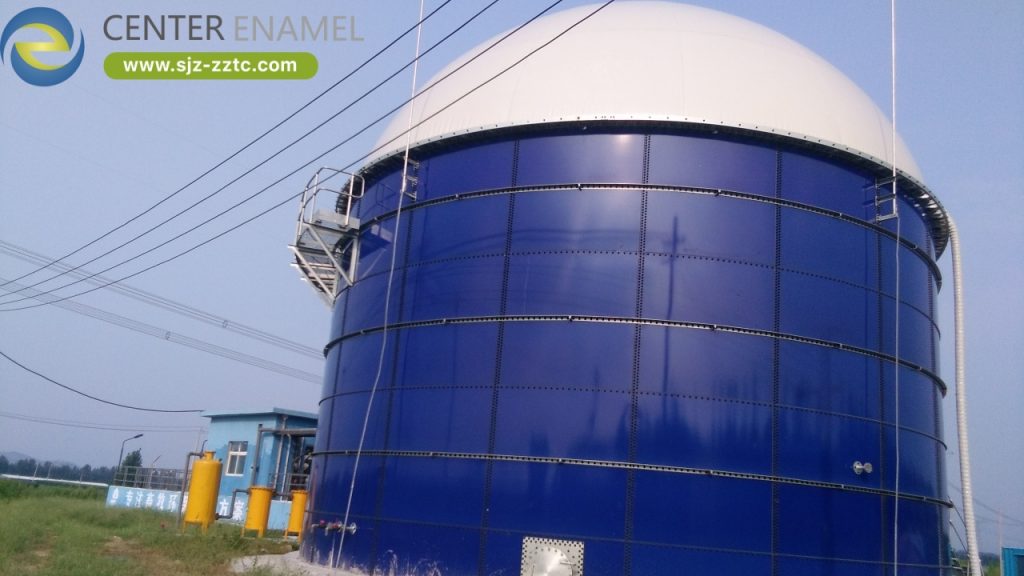
Shijiazhuang Zhengzhong Technology Co., Ltd (Center Enamel) stands as a global pioneer in this movement. As a premier provider of Glass-Fused-to-Steel (GFS) tanks and integrated containment solutions, we provide the foundational infrastructure that makes high-efficiency Anaerobic Digestion possible. Our technology ensures that the biological recovery of energy is not only environmentally sound but also economically viable for the long term.
The Imperative for Efficient Dairy Wastewater Management
The dairy processing environment—encompassing milk production, cheese making, and yogurt manufacturing—generates wastewater with a unique and challenging chemical profile. This effluent is typically characterized by a high organic load, substantial concentrations of fats, oils, and grease, and variable acidity levels.
1. Environmental Challenges and Compliance
Discharging untreated or poorly treated dairy wastewater into local water bodies can lead to severe environmental degradation. The high concentration of organic matter can deplete dissolved oxygen levels, harming aquatic life. Furthermore, the presence of nutrients like nitrogen and phosphorus can trigger harmful algal blooms. As environmental regulations worldwide become increasingly stringent, dairy operators must adopt treatment solutions that go beyond simple disposal, moving toward complete resource recovery.
2. The Bio-Energy Potential
The very organic components that make dairy wastewater difficult to treat are the same components that make it an ideal feedstock for energy production. Through the process of Anaerobic Digestion, microorganisms break down these complex organic molecules in the absence of oxygen, producing a methane-rich biogas. This biogas can be utilized for on-site heating, converted into electricity through cogeneration, or upgraded into renewable natural gas for injection into the utility grid.
High-Efficiency Anaerobic Digestion: Technical Foundations
Achieving high-efficiency recovery requires a deep understanding of the biological and mechanical processes involved. In Anaerobic Digestion of Dairy Wastewater, the goal is to maintain a stable, optimized environment where specialized microbial consortia can thrive.
1. The Four Phases of Degradation
The conversion of dairy waste to biogas occurs through a series of interdependent biological steps:
Hydrolysis: Complex organic polymers, such as proteins and carbohydrates, are broken down into soluble monomers like amino acids and sugars.
Acidogenesis: These monomers are further converted into volatile fatty acids and alcohols.
Acetogenesis: The volatile fatty acids are converted into acetic acid, hydrogen, and carbon dioxide.
Methanogenesis: Specialized microorganisms, known as methanogens, convert these final intermediates into methane and carbon dioxide—the primary components of biogas.
Because dairy wastewater is rich in lipids (fats), the hydrolysis and acidogenesis phases must be carefully managed to prevent the accumulation of long-chain fatty acids, which can inhibit microbial activity. This is why high-efficiency systems often utilize advanced reactor configurations such as the Continuous Stirred-Tank Reactor (CSTR) or the Anaerobic Membrane Bioreactor (AnMBR).
2. Maximizing Yield Through Innovation
Modern innovations in Anaerobic Digestion focus on improving the stability and rate of gas production. This includes the use of two-phase digestion systems, where the initial acidic stages are separated from the final methane-producing stage, allowing for optimized conditions in each vessel. Furthermore, the integration of intelligent monitoring systems enables operators to track internal conditions in real-time, adjusting mixing speeds and feeding rates to ensure the biological community remains in perfect balance.
Center Enamel: The Global Standard in Biogas Containment
A high-efficiency biogas system is only as reliable as its containment. The internal environment of a dairy wastewater digester is exceptionally aggressive, characterized by fluctuating acidity and the presence of corrosive gases like hydrogen sulfide. At Center Enamel, we have engineered our products to thrive in these demanding conditions.
1. Glass-Fused-to-Steel (GFS) Technology
Our flagship GFS tanks represent the ultimate solution for Anaerobic Digestion of Dairy Wastewater. By fusing a high-tech glass enamel coating to a specialized steel substrate at extreme temperatures, we create a material that combines the structural strength of steel with the chemical inertness of glass.
Superior Corrosion Resistance: The glass surface is impervious to the organic acids produced during the early stages of digestion and the hydrogen sulfide present in the biogas. This prevents the structural degradation and leaks that commonly plague concrete or standard steel tanks.
Hygienic and Non-Stick: The smooth, glossy interior of a GFS tank prevents the buildup of fats and scum, which is a frequent challenge in dairy wastewater processing. This ensures that the entire volume of the tank remains active, maximizing treatment efficiency.
Modular Efficiency: Our bolted tank design allows for rapid assembly on-site with minimal environmental impact. The components are manufactured in a controlled factory environment to ensure consistent quality and are then shipped globally for quick installation.
2. Diversified Material Solutions
While GFS is our primary recommendation for anaerobic digesters, we offer a diverse range of products to meet every need within a wastewater treatment facility:
Stainless Steel Bolted Tanks: Ideal for high-purity applications or specialized pre-treatment stages where maximum hygiene is required.
Epoxy Coated Steel Tanks: A cost-effective and durable choice for auxiliary storage, such as treated water reservoirs or equalization basins, providing a robust solution for a wide range of industrial effluents.
Integrated Roofing: Capturing and Protecting Resources
The roof of an anaerobic digester is a sophisticated engineering component that must handle gas pressure, environmental loads, and resource protection.
1. Double Membrane Roofs: Advanced Gas Management
To maximize energy recovery, the biogas produced must be captured safely and efficiently. Our Double Membrane Roofs are designed specifically for this purpose.
Flexible Storage: The inner membrane expands and contracts based on gas production, providing a secure buffer for the biogas.
Structural Protection: The outer membrane is continuously pressurized with air, maintaining a consistent shape and protecting the system from wind, rain, and solar radiation.
Safe Operation: This integrated gas-holder design eliminates the need for external storage vessels, reducing the facility's footprint and simplifying the piping and gas management infrastructure.
2. Aluminum Dome Roofs: Maintenance-Free Protection
For tanks storing treated digestate or processed water, our Aluminum Dome Roofs offer an unparalleled level of performance.
Permanent Durability: Constructed from high-strength, non-corrosive aluminum, these geodesic domes require virtually no maintenance over their entire lifespan.
Resource Integrity: They protect the stored liquid from external contaminants like debris and rainwater, ensuring that the valuable bio-fertilizer remains concentrated and ready for application.
Aesthetic and Engineering Excellence: The clear-span design provides a professional appearance while eliminating the need for internal support columns, which can interfere with mixing or storage capacity.
Sustainability, ROI, and the Circular Economy
Investing in high-efficiency Anaerobic Digestion is a strategic decision that delivers multiple layers of value. For the dairy industry, this technology is the key to achieving a circular economy.
1. Energy Self-Sufficiency
By utilizing the biogas produced on-site, dairy facilities can significantly reduce their reliance on grid electricity and fossil fuels. In many cases, a well-managed biogas plant can power a substantial portion of the facility's operations, leading to massive long-term energy savings.
2. Nutrient Recovery and Soil Health
The byproduct of the digestion process, known as digestate, is an exceptional organic fertilizer. It contains high levels of bio-available nitrogen, phosphorus, and potassium. By returning this digestate to the land, dairy operators can reduce the need for expensive chemical fertilizers, closing the nutrient loop and improving the sustainability of the entire agricultural supply chain.
3. Carbon Footprint Reduction
Anaerobic Digestion is a powerful tool for climate mitigation. It prevents the uncontrolled release of methane—a potent greenhouse gas—from open lagoons and instead captures it as a clean fuel. This significant reduction in carbon emissions helps facilities meet their sustainability goals and potentially generates revenue through the sale of carbon credits.
Global Project Excellence: Center Enamel in Action
Center Enamel’s reputation as a world leader is built on a foundation of successful projects in over 100 countries. Our containment solutions are engineered to meet the most rigorous international standards, including AWWA D103, OSHA, and ISO 28765.
The following project cases demonstrate our ability to deliver the essential infrastructure for high-performance biogas and wastewater recovery systems:
Modern Dairy Biogas Project: This landmark installation in the dairy sector features 6 units of our high-performance GFS containment. The scale of this project highlights our capacity to support massive-volume recovery systems that transform dairy residue into a reliable energy stream.
Hebei Cangzhou Biogas Project: A major regional energy initiative, this project successfully integrated 6 units of our bolted steel tanks. These vessels provide the stable, corrosion-resistant environment necessary for the high-efficiency treatment of agricultural and industrial waste.
France Biogas Project: This international project, designed to meet stringent European environmental standards, utilized 1 unit of our advanced GFS technology. The successful deployment of this single, high-capacity unit confirms our ability to deliver certified, world-class equipment to the most demanding global markets.
A Vision for the Future
The integration of high-efficiency Anaerobic Digestion of Dairy Wastewater is no longer a luxury—it is a necessity for the modern dairy industry. By embracing this technology, operators can ensure environmental compliance, achieve energy independence, and contribute to a sustainable global food system.
At Shijiazhuang Zhengzhong Technology Co., Ltd (Center Enamel), we are dedicated to providing the innovation and engineering excellence that make these projects a success. From our premier GFS tanks to our specialized Double Membrane Roofs and Aluminum Dome Roofs, we offer a total containment solution designed for the future of renewable energy.