
Innovative Solutions for Palm Oil Mill Effluent (POME) Treatment: Cutting-Edge Technologies for Sustainability
Palm oil production is a vital economic driver across Southeast Asia, Latin America, and parts of West Africa. However, the milling process generates massive volumes of Palm Oil Mill Effluent (POME)—a colloidal suspension containing water, suspended solids, residual oil, and grease. Characterized by extremely high Biochemical Oxygen Demand (BOD) ranging from 25,000 to 40,000 mg/L and Chemical Oxygen Demand (COD) exceeding 50,000 mg/L, raw POME poses severe environmental hazards if discharged untreated.
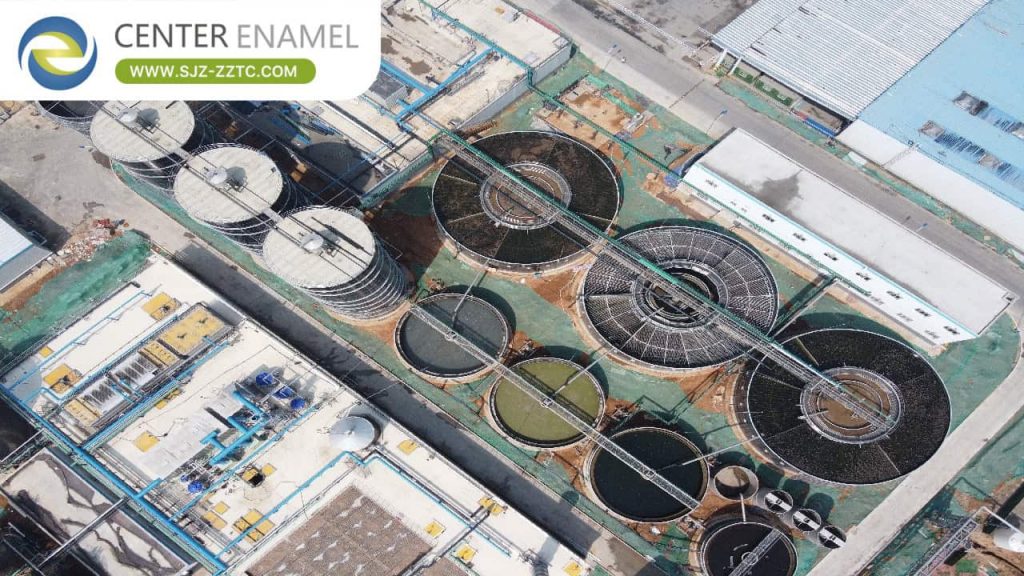
Historically, palm oil mills relied on conventional open-pond anaerobic lagoon systems. While cost-effective, these ponds require vast land areas, emit massive quantities of greenhouse gases (methane), and struggle to meet tightening government discharge standards. To achieve true industrial sustainability, environmental engineers have pioneered innovative POME treatment solutions that focus on energy recovery, water reclamation, and zero-waste footprints.
Key Types of Innovative POME Treatment Solutions
1. High-Rate Anaerobic Digestion & Biogas Capture
Modern closed-tank anaerobic systems—such as Continuously Stirred Tank Reactors (CSTR) and Upflow Anaerobic Sludge Blanket (UASB) reactors—have largely replaced open ponds in advanced mills.
- Mechanism: Specialized anaerobic bacteria break down complex organic compounds in an oxygen-free environment.
- Key Benefit: Converts organic pollutants into methane-rich biogas, which can be captured and scrubbed to generate electricity or thermal energy for the mill, significantly offsetting operational carbon footprints.
2. Membrane Bioreactor (MBR) and Ultrafiltration Integration
For mills aiming to recycle wastewater back into industrial operations, integrating biological treatment with membrane filtration is a game-changer.
- Mechanism: Combines suspended-growth biological degradation with low-pressure microfiltration or ultrafiltration membranes to block all suspended solids and pathogens.
- Key Benefit: Produces crystal-clear permeate suitable for boiler feed, washing, or landscape irrigation.
3. Zero Liquid Discharge (ZLD) Systems
As regulatory bodies push for strict environmental compliance, Zero Liquid Discharge systems represent the pinnacle of closed-loop water management.
- Mechanism: Integrates multiple advanced stages—including biological pre-treatment, chemical softening, mechanical vapor recompression (MVR) evaporation, and crystallization.
- Key Benefit: Completely eliminates liquid wastewater discharge, recovering up to 95% of water for reuse while converting remaining solids into dry, manageable byproducts.
4. Electrocoagulation and Advanced Oxidation Processes (AOPs)
Physicochemical innovations are increasingly deployed as polishing steps to break down recalcitrant organic compounds and color bodies.
- Mechanism: Electrocoagulation introduces metallic ions via electrical current to destabilize emulsified oils and suspended colloids. AOPs utilize ozone, hydrogen peroxide, or UV light to generate hydroxyl radicals that mineralize persistent pollutants.
- Key Benefit: Rapid pollutant reduction with minimal chemical additions and smaller spatial footprints.
5. Microalgal Cultivation Systems (Photobioreactors)
An emerging biological innovation transforms nutrient-rich treated POME into high-value biomass.
- Mechanism: Microalgae strains are cultivated in high-rate algal ponds or closed photobioreactors using the residual nitrogen and phosphorus present in treated POME liquid.
- Key Benefit: Sequesters carbon dioxide while producing biomass that can be harvested for animal feed, organic fertilizer, or biodiesel feedstock.
Comparative Data Table: Innovative POME Treatment Technologies
| Technology Solution | COD Removal Efficiency | Energy Profile | Primary Operational Advantage | Ideal Application Scope |
| Closed Anaerobic Digestion (CSTR/UASB) | 85% – 95% | Net Energy Producer | Biogas capture & high organic loading tolerance | Primary treatment & energy recovery |
| Membrane Bioreactor (MBR) | > 95% | Moderate to High | Exceptional effluent clarity and small footprint | Water recycling & space-constrained mills |
| Zero Liquid Discharge (ZLD) | > 99% | High Energy Consumption | Eliminates liquid discharge; maximum water recovery | Strict regulatory zones & water-scarce regions |
| Electrocoagulation / AOPs | 70% – 90% | Moderate | Rapid separation of emulsified oils and color removal | Polishing step before discharge or reuse |
| Microalgal Photobioreactors | 80% – 90% | Low to Moderate | Nutrient valorization and carbon sequestration | Sustainable circular-economy upgrades |
Frequently Asked Questions (FAQ)
Q1: Why are traditional open lagoon systems being phased out in palm oil mills?
A: Traditional open lagoons require massive land areas, have long hydraulic retention times, and emit large amounts of fugitive methane gas into the atmosphere. Modern environmental regulations and sustainability commitments are driving mills toward closed, high-rate anaerobic and advanced treatment systems.
Q2: How does anaerobic digestion of POME generate energy?
A: Anaerobic microorganisms break down the high concentrations of organic matter in POME in the absence of oxygen, producing biogas composed primarily of methane and carbon dioxide. This gas is captured, cleaned, and utilized in combined heat and power (CHP) engines to power the palm oil mill.
Q3: Can ZLD systems completely eliminate wastewater discharge in palm oil mills?
A: Yes. Zero Liquid Discharge (ZLD) systems utilize evaporation and crystallization technologies to treat wastewater to the point where all water is recovered for reuse and all dissolved solids are crystallized into solid cake waste, leaving zero liquid effluent.