
Is a Dung Biogas Plant Cost-Effective? A Cost-Benefit and Payback Analysis
A dung biogas plant is cost-effective when the manure is a free on-farm byproduct and the biogas displaces purchased LPG, grid electricity, or diesel. For a typical 50–200-head dairy herd, a small fixed-dome or floating-drum plant pays back in 2–5 years through fuel and electricity savings plus digestate fertilizer value, though payback stretches to 6–10 years where energy prices are low and labor is scarce.
The Three Revenue Streams That Make Dung Biogas Pay
A dung plant rarely earns from one source alone. Cooking gas replaces LPG or firewood (the largest saving on smallholdings); electricity from a genset or micro-CHP offsets grid or diesel pumping; and the liquid digestate displaces 30–60% of a farm’s chemical nitrogen and potassium. Together these three streams typically exceed the plant’s annual O&M cost by 2–4x.
Comparative Data Table: Cost-Effectiveness by Herd Size
| Herd Size | Plant Type | CAPEX (USD) | Annual Savings | Payback (Years) |
| 10–20 cows | Family floating-drum 4–6 m³ | $1,500–3,000 | $400–800 | 3–6 |
| 50–100 cows | Community fixed-dome 20–40 m³ | $8,000–15,000 | $2,500–5,000 | 3–5 |
| 200–500 cows | Farm CSTR 100–300 m³ + CHP | $80,000–200,000 | $20,000–50,000 | 4–7 |
| 1,000+ cows | Industrial 500+ m³ + upgrading | $400,000–1M | $100,000–300,000 | 4–8 |
Why Payback Varies: The Four Cost Drivers
Driver 1 — Energy price displaced: a plant offsetting $0.20/kWh electricity repays far faster than one competing with $0.05/kWh. Driver 2 — Dung availability: free on-farm manure is the default; purchased dung erodes margins. Driver 3 — Labor and O&M: weekly mixing and desludging cost more where wages are high. Driver 4 — Incentives: grants of 30–50% CAPEX can halve payback.
When a Dung Biogas Plant Is NOT Cost-Effective
Two situations break the model. Very small herds (under 5 animals) lack enough dung for stable digestion, and remote farms with no LPG or electricity bill to displace gain little. Cold climates without insulation or digester heating see winter yield collapse, and where chemical fertilizer is already cheap, the digestate revenue stream shrinks to near zero.
Frequently Asked Questions (FAQ)
Q1: How much does a cow dung biogas plant cost?
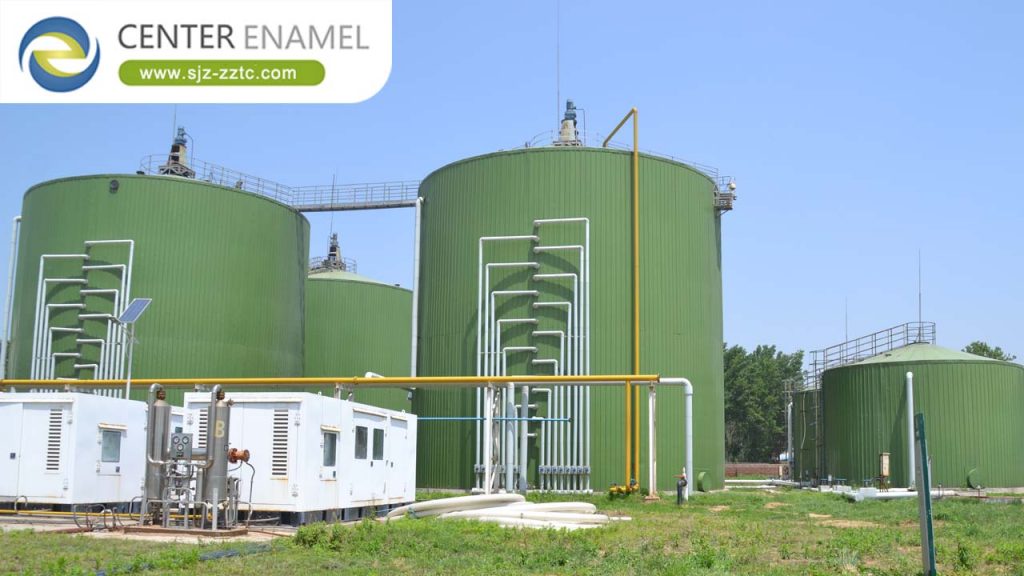
A: A family-scale 4–6 m³ floating-drum unit runs $1,500–3,000; a community fixed-dome for 50–100 cows is $8,000–15,000; a farm CSTR with CHP for 200–500 cows reaches $80,000–200,000. Tank material is the largest single cost, which is why bolted glass-fused-to-steel (GFS) tanks are common at commercial scale.
Q2: Does digestate really replace chemical fertilizer?
A: Yes. Well-stabilized dung digestate typically contains 2–4 kg N, 1–2 kg P₂O⁵, and 2–3 kg K₂O per m³, replacing roughly 30–60% of a crop’s synthetic fertilizer need. The slow-release organic nitrogen also improves soil structure versus straight mineral fertilizer.
Q3: Is dung biogas cheaper than LPG?
A: At a 50-head herd, biogas from free manure effectively costs $0.01–0.03/kWh of useful heat versus $0.10–0.20/kWh for LPG. The biogas is not “free,” but its marginal fuel cost is near zero once the plant is paid off, making it consistently cheaper than bottled gas for cooking.
Q4: What subsidies improve dung biogas cost-effectiveness?
A: National programs such as India’s GOBARdhan and SATAT, China’s rural biogas schemes, and EU agri-environment payments can cover 30–50% of CAPEX or pay per-tonne dung processed, often cutting payback from 6 years to under 3. Check regional agricultural and renewable-energy grant catalogs first.