
Is Biogas a Cleaner Fuel? Environmental Benefits, Emissions, and Applications
As the world looks for cleaner and more sustainable energy sources, biogas is gaining increasing attention. Produced from organic waste, agricultural residues, animal manure, and wastewater, biogas offers a renewable alternative to conventional fossil fuels.
But is biogas really a cleaner fuel? Does it produce fewer emissions than natural gas, coal, or other traditional energy sources?
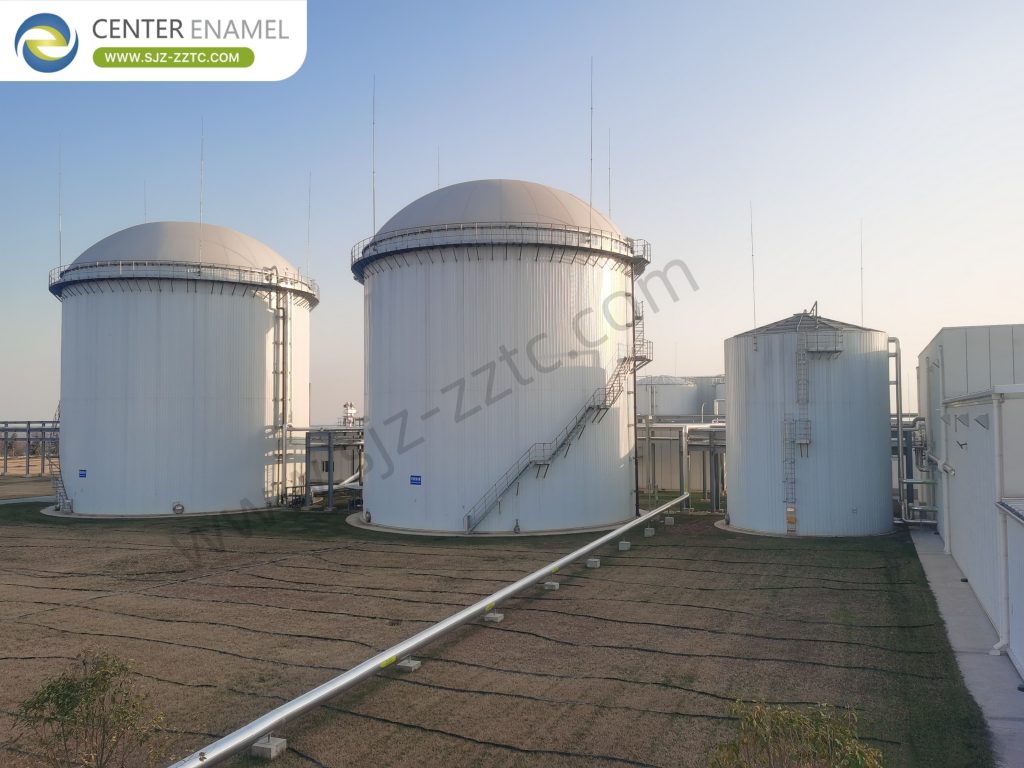
The short answer is yes, biogas can be a cleaner fuel, especially when it is produced from waste materials and properly managed. However, its environmental performance depends on feedstock selection, production technology, methane leakage, purification, and how the gas is used.
In this article, we explore the environmental benefits, emissions, limitations, and practical applications of biogas.
What Is Biogas?
Biogas is a renewable gaseous fuel produced through anaerobic digestion. During this biological process, microorganisms break down organic materials in an oxygen-free environment.
Common feedstocks include:
Animal manure and livestock waste
Food waste and agricultural residues
Sewage sludge
Organic industrial wastewater
Energy crops and other biodegradable materials
Biogas mainly consists of methane (CH₄) and carbon dioxide (CO₂), along with small amounts of hydrogen sulfide, water vapor, and other gases.
Methane is the primary energy-bearing component, making biogas suitable for heating, electricity generation, and other energy applications.
Why Is Biogas Considered a Cleaner Fuel?
Biogas is generally considered cleaner than many conventional fossil fuels because it can recover energy from organic waste while reducing dependence on fossil resources.
There are several reasons for its environmental advantages.
Renewable energy source: Unlike coal, petroleum, and fossil natural gas, biogas can be continuously produced from renewable organic materials.
Waste reduction: Anaerobic digestion converts biodegradable waste into useful energy instead of allowing it to decompose without controlled gas collection.
Potential greenhouse gas reductions: Capturing methane that would otherwise escape from manure or organic waste management systems can reduce overall greenhouse gas emissions.
Reduced fossil fuel consumption: Using biogas for heating, cooking, and electricity can replace part of the energy supplied by fossil fuels.
However, these benefits depend on effective gas collection and control of methane leakage throughout the production and distribution process.
Is Biogas Cleaner Than Natural Gas?
Biogas and natural gas have similar energy applications because both contain methane. However, they differ significantly in their origins and environmental impacts.
Natural gas is a fossil fuel extracted from underground reservoirs, while biogas is produced from organic materials through biological processes.
| Comparison | Biogas | Natural Gas |
| Energy source | Organic waste and biomass | Underground fossil reserves |
| Main component | Methane | Methane |
| Renewable | Yes, when produced from renewable feedstocks | No |
| Carbon origin | Recently captured biological carbon | Geological fossil carbon |
| Methane leakage risk | Yes | Yes |
| Waste management benefits | Yes | No inherent waste treatment benefit |
Biogas can have a lower lifecycle greenhouse gas footprint than natural gas, particularly when it captures methane emissions from waste management.
However, biogas is not automatically cleaner. Methane leakage during production, storage, and transportation can significantly reduce its environmental advantages.
Does Biogas Produce Less CO2?
Biogas combustion produces carbon dioxide, just like natural gas combustion.
The difference is the origin of the carbon.
The carbon in biogas generally comes from recently living organic materials. Plants absorb atmospheric CO₂ during photosynthesis, and some of this carbon eventually enters organic waste and is converted into biogas.
When biogas is burned, this biogenic carbon returns to the atmosphere.
By comparison, burning fossil natural gas releases carbon that has been stored underground for millions of years.
This does not mean biogas combustion produces zero emissions. Its overall climate impact must be evaluated through lifecycle assessment, including feedstock production, digestion, methane leakage, gas treatment, transportation, and combustion.
What Are the Main Environmental Benefits of Biogas?
Biogas offers several environmental benefits beyond renewable energy production.
Reduces Organic Waste
Anaerobic digestion processes food waste, animal manure, and agricultural residues, reducing the volume of biodegradable materials that require disposal.
Helps Reduce Methane Emissions
Organic waste and manure can release methane when they decompose under uncontrolled anaerobic conditions.
Capturing and utilizing this methane can help prevent emissions that would otherwise contribute to climate change.
Supports Renewable Electricity Generation
Biogas can fuel gas engines and combined heat and power (CHP) systems to produce electricity and useful heat.
This helps diversify energy supplies and reduce reliance on fossil fuels.
Produces Useful Digestate
The remaining material after anaerobic digestion is called digestate. When properly treated and managed, it can be used as an organic fertilizer or soil amendment, helping recycle nutrients.
Supports a Circular Economy
Biogas production connects waste management, agriculture, and renewable energy. Organic materials become valuable resources instead of simply being discarded.
What Pollutants Can Be Produced When Burning Biogas?
Although biogas is a renewable fuel, combustion does not eliminate all air pollution.
Depending on gas quality and combustion technology, biogas utilization may produce:
Carbon dioxide (CO₂)
Nitrogen oxides (NOx)
Carbon monoxide (CO)
Small amounts of other combustion-related pollutants
Raw biogas may also contain hydrogen sulfide (H₂S). If it is not removed before combustion, sulfur dioxide (SO₂) can form.
Therefore, biogas purification is important for improving fuel quality, protecting equipment, and reducing certain emissions.
Common treatment technologies include:
H₂S removal systems
Moisture removal equipment
Activated carbon filters
Biogas upgrading systems
Proper gas treatment helps make biogas safer and more suitable for energy applications.
Is Biogas Cleaner Than Coal and LPG?
Biogas can offer environmental advantages over coal and conventional LPG, although the results depend on the production pathway and application.
Coal combustion generally produces higher carbon dioxide emissions per unit of useful energy than natural gas and many other fuels. It also produces pollutants such as sulfur dioxide and particulate matter.
LPG burns relatively cleanly compared with coal and some traditional solid fuels. However, conventional LPG is primarily derived from fossil fuel processing.
Biogas offers the additional advantage of renewable feedstocks and organic waste treatment.
| Fuel | Renewable Potential | Environmental Considerations |
| Biogas | High | Methane leakage and combustion emissions must be controlled |
| Coal | Very low | High CO₂ emissions and air pollutants |
| Natural gas | Very low | Fossil CO₂ emissions and methane leakage |
| Conventional LPG | Very low | Fossil carbon emissions during combustion |
| Solar energy | High | Low operational emissions |
Each energy source has different environmental characteristics. A complete comparison should consider lifecycle emissions rather than combustion emissions alone.
What Factors Affect the Environmental Performance of Biogas?
Not all biogas systems provide the same environmental benefits.
Several factors influence their overall performance.
Feedstock type: Biogas produced from manure, food waste, and wastewater can provide waste management benefits. The use of specially grown energy crops requires additional consideration of land use, fertilizer, and agricultural emissions.
Methane leakage: Even small methane leaks can reduce the climate benefits of biogas because methane is a powerful greenhouse gas.
Production efficiency: Efficient anaerobic digestion and gas collection improve energy recovery and reduce unnecessary emissions.
Gas purification: Removing hydrogen sulfide, moisture, and other contaminants helps ensure reliable fuel utilization.
Digestate management: Proper storage and application of digestate help reduce methane and nitrous oxide emissions while recovering nutrients.
How Can Biogas Become a Cleaner and More Efficient Fuel?
Improving biogas quality and system performance is essential for maximizing its environmental value.
Several measures can help:
Use suitable organic feedstocks and maintain stable digestion conditions.
Install effective gas collection and methane leak detection systems.
Remove hydrogen sulfide and excess moisture before gas utilization.
Use efficient gas engines, boilers, or CHP equipment.
Recover and utilize waste heat whenever possible.
Manage digestate responsibly to prevent additional emissions.
Biogas upgrading can also remove carbon dioxide and other impurities to produce biomethane, which has a higher methane concentration and can meet appropriate natural gas specifications.
What Is the Future of Biogas as a Clean Energy Source?
The demand for renewable energy and sustainable waste management is creating new opportunities for biogas development.
Technological improvements in anaerobic digestion, membrane separation, biological desulfurization, and gas purification are making biogas systems more efficient and reliable.
Biomethane production is also expanding the potential applications of biogas, allowing renewable gas to be injected into suitable gas networks or used as vehicle fuel.
Although biogas cannot replace every fossil fuel application, it can play an important role in reducing fossil energy consumption, managing organic waste, and supporting a more sustainable energy system.
Conclusion
So, is biogas a cleaner fuel?
Yes, biogas can be a cleaner and more sustainable alternative to fossil fuels, especially when it is produced from organic waste and operated with effective methane capture and leakage control.
It offers multiple environmental benefits, including renewable energy generation, organic waste reduction, methane emission control, and nutrient recycling.
However, biogas is not a zero-emission fuel. Its environmental performance depends on production methods, gas purification, methane leakage, combustion efficiency, and digestate management.
With appropriate technology and responsible operation, biogas can become an important part of the global transition toward cleaner energy.
Frequently Asked Questions (FAQs)
1. Is biogas a clean or dirty fuel?
Biogas is generally considered a cleaner renewable fuel than many fossil fuels. However, it can still produce CO₂ and air pollutants during combustion. Its environmental benefits depend on methane leakage control, feedstock selection, and proper gas treatment.
2. Does biogas produce greenhouse gases?
Yes. Biogas combustion produces CO₂, and methane leakage can occur during production, storage, and transportation. However, capturing methane from organic waste and using it as fuel can reduce overall greenhouse gas emissions compared with uncontrolled waste decomposition.
3. Is biogas better than natural gas for the environment?
Biogas can have a lower lifecycle greenhouse gas footprint than natural gas because it uses renewable feedstocks and can prevent methane emissions from organic waste. However, the actual environmental advantage depends on production efficiency, methane leakage, and the source of the feedstock.