
Is Biogas Better Than Biomass Combustion? An Evidence-Based Comparison
The honest answer: neither route is universally better—biogas (anaerobic digestion) and biomass combustion each win in specific conditions. Biogas is clearly superior for wet, high-nitrogen feedstocks (manure, food waste) because it captures energy without energy-intensive drying; combustion wins for dry, dense, low-ash feedstocks at large scale. The deciding factor is feedstock moisture, not ideology.
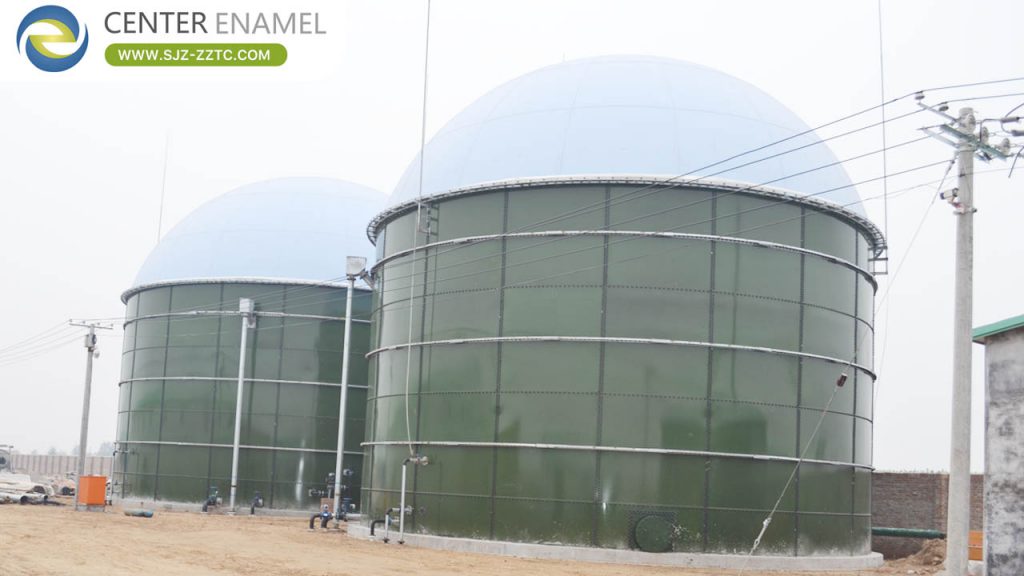
Where Biogas Wins: Wet Waste, Nutrients, and Emissions
Anaerobic digestion processes feedstock at 60–90% moisture with no drying energy, captures methane that would otherwise escape to atmosphere, and returns digestate as a nutrient-rich fertilizer—closing the loop. For wet waste with gate fees, AD plants show 8–15% higher internal rate of return than combustion alternatives on the same feedstock, and methane capture avoids the single largest agricultural emission source.
Where Combustion Wins: Scale, Dry Feedstock, and Fuel Flexibility
Direct combustion delivers 25–40% electrical efficiency at 5–50 MW₎ scale—far larger than any AD plant—and burns any dry biomass (wood, straw, RDF) without the biological sensitivity of a digester. For dry woody feedstocks, combustion or gasification beats AD on energy recovery per tonne by 1.5–2×, because AD cannot process material above ~15% solids content.
Comparative Data Table: Biogas (AD) vs. Biomass Combustion
| Dimension | Biogas (Anaerobic Digestion) | Biomass Combustion |
| Feedstock moisture | 60–90% (wet ideal) | <40% (dry required) |
| Electrical efficiency | 35–43% (CHP) | 25–35% (steam cycle) |
| Typical scale | 0.05–5 MW₎ | 5–50+ MW₎ |
| Energy recovery (dry wood) | Not applicable | 1.5–2× better than AD routes |
| Air emissions | Minimal (biogas burned clean) | NOx, particulates, ash handling |
| Methane avoidance | High—captures source CH4 | Low—feedstock may emit if stockpiled |
| Byproducts | Digestate fertilizer (nutrient value) | Ash (disposal cost) |
| Best scenario | Wet waste, farms, gate fees | Large dry biomass, industrial heat |
The Decision Rule for 2026 Projects
Use biogas when: feedstock moisture exceeds 60%, you have manure or food waste, gate fees are available, or you want nutrient recovery. Use combustion when: feedstock is dry (<40% moisture), scale exceeds 5 MW₎, or you need industrial-scale process heat. The fastest-growing projects combine both—a wet AD line for organic waste plus a dry combustion line for woody residues sharing one power block.
Frequently Asked Questions (FAQ)
Q1: Is anaerobic digestion better for the environment than burning biomass?
A: For wet, high-nitrogen waste, yes—AD avoids methane emissions from storage, produces fertilizer instead of ash, and emits less particulate matter. For dry woody biomass, combustion remains appropriate, and gasification can further cut emissions versus direct burning.
Q2: Can biomass combustion handle wet waste like manure?
A: Poorly. Burning wet manure requires evaporating 80–90% water first, which consumes more energy than the manure contains. That is precisely why anaerobic digestion is the only thermodynamically sensible route for wet organic waste.
Q3: Which has lower capital cost per MW?
A: Combustion plants typically cost €2,500–4,000 per kW₎ versus €3,500–6,000 per kW₎ for AD with CHP—but AD plants earn gate fees and fertilizer revenue that combustion plants lack, which often narrows or reverses the lifecycle cost gap.
Q4: Can one site combine biogas and combustion?
A: Yes, and it is increasingly best practice. A hybrid site treats wet waste in digesters and dry residues in a boiler or gasifier, sharing the power block, grid connection, and civil infrastructure—maximizing feedstock flexibility and revenue.