
Is Biogas the Same as Methane? Understanding the Key Differences
Biogas and methane are terms that are often used interchangeably in discussions about renewable energy, waste management, and climate change. But are they actually the same thing? The short answer is no-biogas and methane are related, but they are not identical. Biogas is a mixture of gases, and methane is just one component of that mixture. Understanding the difference is important for anyone interested in renewable energy, environmental science, or sustainable agriculture.
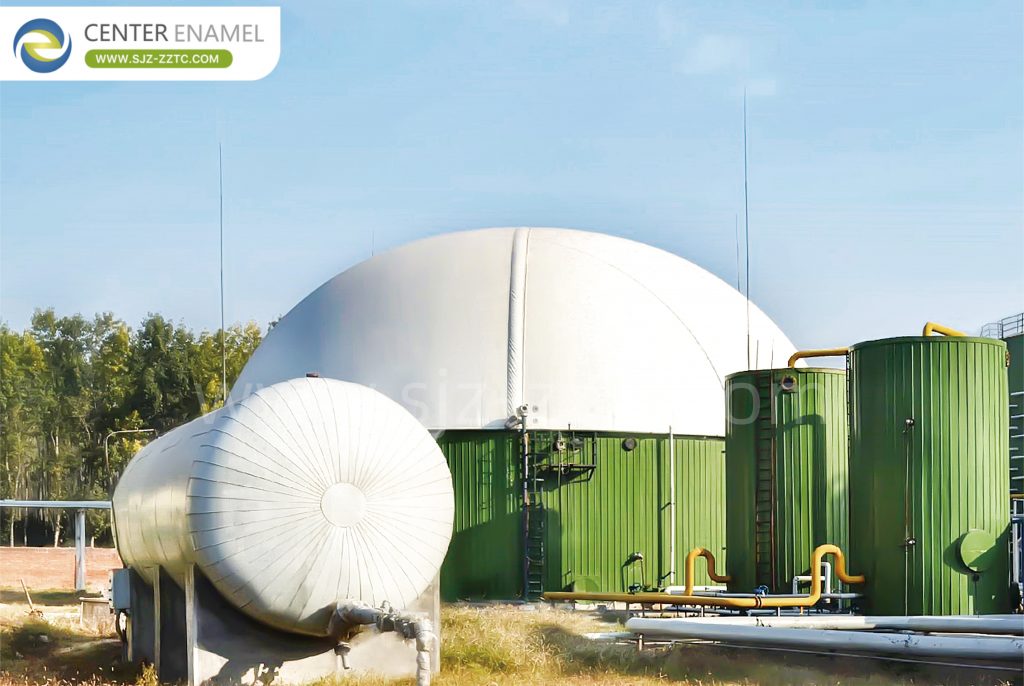
In this article, we will explore what biogas is, what methane is, how they are connected, and why the distinction matters. By the end, you will have a clear understanding of both terms and how they fit into the broader picture of energy production and environmental impact.
What Is Biogas?
Biogas is a renewable energy source produced through the breakdown of organic matter in the absence of oxygen, a process known as anaerobic digestion. This process occurs naturally in environments such as swamps, landfills, and the digestive systems of ruminant animals. It can also be engineered in controlled systems called anaerobic digesters, which are used to treat agricultural waste, food waste, sewage, and industrial organic waste.
The composition of biogas varies depending on the feedstock and the conditions of digestion, but it typically consists of:
Methane (CH₄): 50–70%
Carbon dioxide (CO₂): 30–50%
Trace gases: Hydrogen sulfide (H₂S), water vapor, nitrogen, oxygen, ammonia, and siloxanes
Because biogas contains carbon dioxide and other impurities, it has a lower energy content per cubic meter than pure methane. Raw biogas is often used directly for cooking, heating, or electricity generation, but it can also be upgraded to remove impurities and increase its methane concentration.
What Is Methane?
Methane is a chemical compound with the formula CH₄. It is the simplest hydrocarbon and the primary component of natural gas. Methane is a colorless, odorless gas that is highly flammable and is used extensively as a fuel for heating, electricity generation, and industrial processes.
Methane is also a potent greenhouse gas. Over a 100-year period, methane traps about 28–34 times more heat than carbon dioxide, according to the U.S. Environmental Protection Agency (EPA). Over a 20-year period, that warming potential is even higher-around 84 times that of CO₂. This makes methane emissions a significant concern in the fight against climate change.
Methane can be produced through both natural and human-related activities. Natural sources include wetlands, termites, and oceans. Human-related sources include fossil fuel extraction, livestock farming, landfills, and wastewater treatment.
How Are Biogas and Methane Related?
Biogas and methane are related because methane is the primary combustible component of biogas. When biogas is burned, it is the methane that produces energy. The other components, such as carbon dioxide and hydrogen sulfide, do not contribute to energy production and can even cause corrosion or reduce efficiency.
In other words, biogas is a raw, impure form of methane-containing gas, while methane is a purified, concentrated form of the same molecule. You can think of biogas as "unrefined methane" and pure methane as "refined biogas."
When biogas is upgraded to remove carbon dioxide, water vapor, hydrogen sulfide, and other impurities, the result is a gas that is 90–99% methane. This upgraded product is called biomethane or renewable natural gas (RNG). Biomethane can be injected into natural gas pipelines or used as a vehicle fuel, just like fossil-derived natural gas.
Biogas vs. Methane: Key Differences
To make the distinction clearer, let's compare biogas and methane side by side.
| Feature | Biogas | Methane (Pure) |
| Composition | 50–70% methane, 30–50% CO₂, trace gases | 90–100% methane |
| Energy content | Lower (around 20–25 MJ/m³) | Higher (around 35–40 MJ/m³) |
| Source | Anaerobic digestion of organic matter | Natural gas, biogas upgrading, fossil fuels |
| Purity | Impure, contains CO₂, H₂S, water vapor | Highly pure, minimal impurities |
| Renewable? | Yes, if feedstock is sustainable | Depends on source (fossil or renewable) |
| Greenhouse gas impact | Methane is a potent GHG, but biogas captures it | Methane is a potent GHG when released |
| Common uses | Cooking, heating, electricity, upgraded to biomethane | Heating, electricity, industrial processes, vehicle fuel |
As the table shows, biogas is a mixture, while methane is a single compound. Biogas has a lower energy density and requires treatment before it can be used in applications that require high-purity methane.
Why the Distinction Matters
Understanding the difference between biogas and methane is important for several reasons.
First, from an energy perspective, biogas is not as energy-dense as pure methane. If you are designing a system to generate electricity or heat, you need to account for the lower energy content of biogas. This may require larger storage tanks, different burner designs, or upgrading the biogas to biomethane.
Second, from an environmental perspective, biogas and methane have different implications. Biogas production captures methane that would otherwise be released into the atmosphere from decomposing organic waste. This is beneficial because methane is a potent greenhouse gas. However, if biogas leaks from a digester or pipeline before it is burned, it contributes to climate change just like any other methane emission.
Third, from a regulatory and economic perspective, biogas and biomethane are often treated differently. In many countries, biogas used for electricity generation qualifies for renewable energy subsidies, while biomethane injected into the gas grid may qualify for different incentives. Understanding the terminology helps stakeholders navigate these programs.
How Biogas Is Produced
Biogas is produced through anaerobic digestion, a biological process in which microorganisms break down organic matter in the absence of oxygen. The process occurs in four main stages:
Hydrolysis: Complex organic polymers (carbohydrates, proteins, fats) are broken down into simpler molecules (sugars, amino acids, fatty acids).
Acidogenesis: The simple molecules are converted into volatile fatty acids, alcohols, ammonia, and carbon dioxide.
Acetogenesis: The products of acidogenesis are converted into acetic acid, hydrogen, and carbon dioxide.
Methanogenesis: Methanogenic archaea convert acetic acid, hydrogen, and carbon dioxide into methane and carbon dioxide.
The result is biogas, which can be collected and used as fuel. The remaining material, called digestate, is a nutrient-rich fertilizer that can be applied to farmland.
How Methane Is Extracted and Produced
Methane can be obtained from several sources:
Fossil natural gas: Extracted from underground reservoirs through drilling. This is a non-renewable source.
Biogas upgrading: Biogas is cleaned and concentrated to produce biomethane, which is chemically identical to fossil methane but renewable.
Landfill gas: Methane captured from landfills as organic waste decomposes.
Coal bed methane: Methane released during coal mining.
Hydrates: Methane trapped in ice-like structures under the ocean floor, not yet commercially exploited.
The key point is that methane can be either fossil-based or renewable, depending on its source. Biogas, on the other hand, is always renewable when produced from sustainable organic feedstocks.
Common Misconceptions About Biogas and Methane
There are several misconceptions about biogas and methane that can lead to confusion.
Misconception 1: Biogas is pure methane. As we have seen, biogas is a mixture. It contains significant amounts of carbon dioxide and other gases.
Misconception 2: Biogas and natural gas are the same. Natural gas is primarily fossil methane, while biogas is a renewable mixture that must be upgraded to be equivalent to natural gas.
Misconception 3: Biogas is carbon-neutral. While biogas production can reduce methane emissions from waste, it still releases carbon dioxide when burned. However, the carbon in biogas comes from recently living plants, so it is part of the short carbon cycle. This makes it more climate-friendly than fossil fuels, but not necessarily "zero-carbon."
Misconception 4: Methane from biogas is worse than fossil methane. Chemically, methane is methane. The difference lies in the source and the lifecycle emissions. Biogas methane is renewable and can be carbon-negative if it captures methane that would otherwise be released.
Conclusion
So, is biogas the same as methane? No. Biogas is a mixture of gases-primarily methane and carbon dioxide-produced by anaerobic digestion. Methane is a single chemical compound that is the main combustible component of biogas. Biogas can be upgraded to biomethane, which is nearly pure methane and can be used interchangeably with natural gas.
Understanding the difference is crucial for anyone working in renewable energy, waste management, or environmental policy. Biogas offers a way to turn waste into a valuable resource, reduce greenhouse gas emissions, and produce renewable energy. Methane, whether from biogas or fossil sources, is a powerful fuel and a potent greenhouse gas that must be managed carefully.
By knowing the distinctions, you can make better decisions about energy systems, environmental impact, and sustainable development.
Want to explore biogas solutions for your waste? Contact Center Enamel—we provide customized biogas systems that turn solid waste into clean energy.
FAQ
1. Can biogas be used directly as a fuel?
Yes, raw biogas can be used directly for cooking, heating, and electricity generation. However, because it contains carbon dioxide and trace impurities, it has a lower energy content and may require treatment to remove hydrogen sulfide and water vapor to prevent corrosion and improve efficiency.
2. Is biomethane the same as natural gas?
Biomethane is chemically very similar to natural gas, which is primarily methane. Once biogas is upgraded to remove carbon dioxide and impurities, the resulting biomethane can be injected into natural gas pipelines or used as a vehicle fuel. The main difference is that biomethane is renewable, while natural gas is a fossil fuel.
3. Why is methane considered a greenhouse gas if it is also a fuel?
Methane is both a valuable fuel and a potent greenhouse gas. When burned, it produces carbon dioxide and water vapor. However, when released unburned into the atmosphere, it traps heat much more effectively than carbon dioxide. This dual nature is why capturing methane from landfills, farms, and digesters is so important-it prevents a powerful greenhouse gas from entering the atmosphere while providing a useful energy source.