
Is Brewing Beer Bad for the Environment?
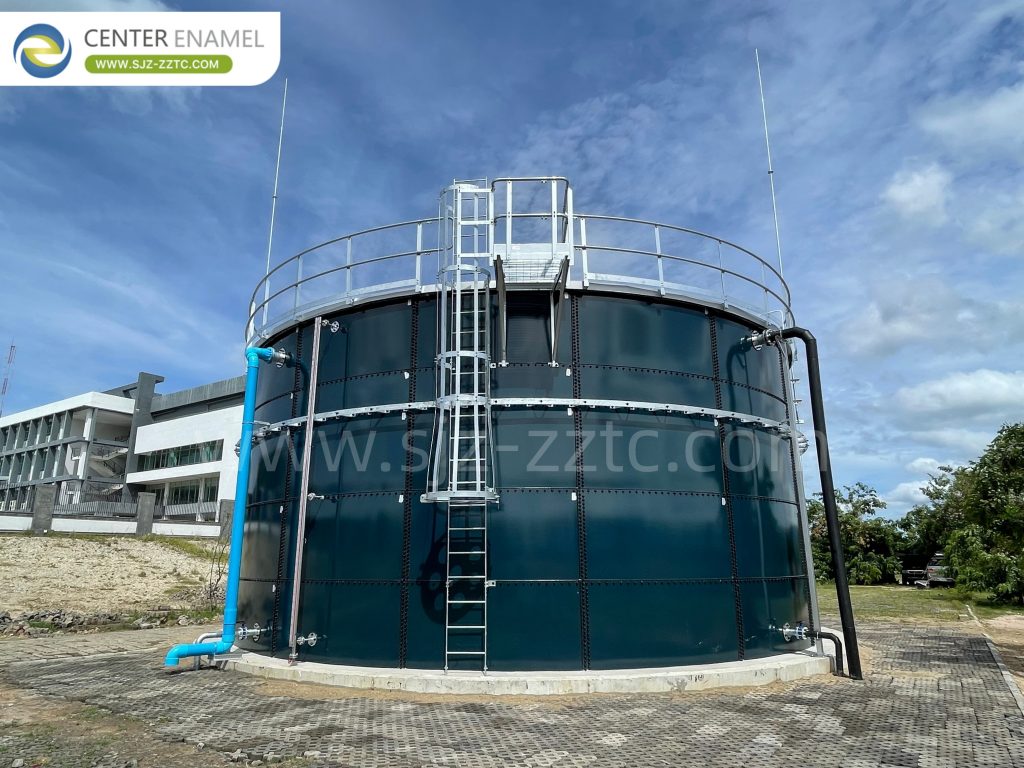
The simple answer is: Commercial beer brewing can be harmful to the environment if wastewater is discharged without proper treatment, but it can be fully sustainable with professional brewery wastewater management.
Beer production consumes massive amounts of freshwater, grains, and energy throughout malting, mashing, lautering, boiling, fermentation, filtration and cleaning processes. The biggest environmental footprint does not only come from water and energy consumption, but from high-concentration brewery wastewater generated every day. When breweries discharge untreated sewage directly into rivers, lakes and soil, beer brewing becomes a major source of industrial pollution. However, with modern wastewater treatment systems, anaerobic digestion technology and resource recovery, breweries can eliminate pollution, reuse water, capture biogas energy, and achieve eco-friendly green production.
Center Enamel is a professional EPC contractor dedicated to brewery wastewater treatment, providing reliable process design, high-corrosion-resistant GFS tanks and mature anaerobic technologies to help global breweries reduce environmental impact and achieve sustainable operation.
How Beer Brewing Wastewater Is Generated
Beer brewing produces large volumes of organic wastewater in every production link:
- Malting and grain soaking wastewater rich in starch and organic matter
- Mashing and lautering wastewater containing residual malt, hops and sugar
- Fermentation and tank cleaning wastewater with high COD, BOD and yeast residues
- Bottle washing, floor flushing and workshop domestic wastewater
Brewery wastewater features high chemical oxygen demand (COD), high biological oxygen demand (BOD), high suspended solids, sugar residues, yeast, nitrogen and phosphorus. It is easily biodegradable but decays rapidly, producing strong odor and consuming dissolved oxygen in water bodies. Without scientific treatment, it becomes one of the typical high-pollution industrial wastewaters.
Hazards of Direct Discharge of Beer Brewing Wastewater
If breweries discharge wastewater directly without treatment, the environmental damage is obvious and far-reaching.
First, severe water oxygen depletion. Massive organic matter in brewery wastewater is decomposed by microorganisms, consuming large amounts of dissolved oxygen in rivers. Low oxygen levels lead to fish death, destroyed aquatic habitats and broken ecological chains.
Second, water eutrophication and algae bloom. Rich nitrogen, phosphorus and carbohydrates cause rapid algae reproduction, blocking sunlight and worsening water quality, resulting in long-term black and odorous rivers.
Third, odor and public health impact. Untreated brewery wastewater ferments naturally, releasing unpleasant rotten odors that affect surrounding residential areas and damage living environments.
Fourth, soil and groundwater contamination. Permeation of brewery wastewater pollutes farmland soil and underground water sources, affecting crop growth and safe drinking water supply.
Fifth, policy penalties and operational risks. Most countries have strict discharge standards for food and beverage industrial wastewater. Illegal discharge will lead to heavy fines, production suspension and damage to the brand’s green image.
Complete Beer Brewing Wastewater Treatment Process
Standard brewery wastewater treatment adopts a mature three-stage process: Pretreatment → Anaerobic Treatment → Aerobic Advanced Treatment.
Pretreatment Stage: Pretreatment includes grating, oil separation, sedimentation, coagulation and regulation tank balancing. It removes large suspended solids, grain residues and floating substances, balances water quality and water flow, and reduces the organic load for subsequent biological treatment. Center Enamel supplies high-performance GFS Tanks as regulation tanks, sedimentation tanks and buffer tanks, with excellent corrosion resistance adapting to acidic and organic brewery wastewater.
Anaerobic Treatment Stage (Core Process): This is the most critical step for brewery wastewater treatment. In an oxygen-free environment, anaerobic bacteria decompose high-concentration organic pollutants into methane and carbon dioxide. It greatly reduces COD and BOD, meanwhile producing renewable biogas for power generation and heating. Anaerobic treatment cuts operating costs and realizes waste-to-energy recycling.
Aerobic Advanced Treatment Stage: After anaerobic treatment, the wastewater enters aerobic systems such as activated sludge and biological contact oxidation to further degrade residual organic matter, nitrogen and phosphorus. The final effluent reaches national and international discharge standards, and can even be reused for workshop cleaning and production water, saving freshwater resources.
Four Mature Anaerobic Technologies for Brewery Wastewater
Center Enamel customizes four classic anaerobic technologies for different brewery scales, wastewater concentration and site conditions.
1. CSTR (Completely Stirred Tank Reactor)
CSTR is ideal for large breweries with high-suspended-solid and high-concentration organic wastewater. Mechanical full stirring mixes wastewater and anaerobic sludge evenly, avoiding sedimentation, crusting and dead zones. It supports continuous feeding and stable biogas output, perfectly matching the continuous production mode of large industrial breweries.
2. USR (Upflow Solids Reactor)
USR is suitable for medium and small craft breweries. It has no mechanical stirring, relies on upward water flow to retain sludge and organic particles. With simple structure, low energy consumption and low maintenance cost, it is the most economical anaerobic solution for small-scale brewery wastewater projects.
3. UASB (Upflow Anaerobic Sludge Blanket)
UASB is a globally proven cost-effective anaerobic process for brewery wastewater. Wastewater flows upward through a dense granular sludge blanket, and organic pollutants are efficiently degraded. It features high volumetric load, low running cost and stable operation, widely used in most medium-sized brewery treatment projects.
4. IC (Internal Circulation Reactor)
IC is an advanced high-rate anaerobic technology driven by biogas internal circulation. Its treatment capacity is 3–5 times that of traditional anaerobic reactors, covering small land area with outstanding COD removal efficiency. It is the best choice for large breweries with limited land area and high biogas energy recovery requirements.
Overall Advantages of Center Enamel in Brewery Wastewater Treatment Projects
As a top EPC contractor for food and beverage wastewater treatment, Center Enamel has unique comprehensive advantages in brewery wastewater projects.
Customized Professional Design: We conduct on-site investigation, design targeted process flow, tank capacity and system layout according to actual wastewater output, pollutant concentration, plant land and energy demand.
Superior Corrosion Resistance: Brewery wastewater contains organic acid, sugar fermentation substances and corrosive media. Our GFS tanks are fused at over 820°C, achieving full pH 1–14 corrosion resistance, adapting to long-term complex brewery sewage operating environments.
Full Lifecycle Turnkey EPC Service:We cover scheme design, equipment manufacturing, installation, commissioning and after-sales maintenance, providing one-stop service to minimize project coordination pressure and operational risks for brewery owners.
Energy Saving & Circular Economy Benefits: Our optimized anaerobic process maximizes biogas production. The biogas can be used for factory power generation and heating, reducing energy costs; treated water can be recycled; digestate byproducts can be made into organic fertilizer, realizing environmental and economic double benefits.
Strong Qualification & Global Project Experience: With more than 200 independent enamel patents, international certifications including NSF, WRAS, ISO, CE, FM and rich overseas food industry wastewater project experience, we are familiar with global environmental standards and local construction requirements.
Brewing beer is not inherently bad for the environment, but untreated brewery wastewater discharge causes serious water pollution, ecological damage and public health risks. Adopting standardized pretreatment, anaerobic digestion and aerobic advanced treatment can completely eliminate pollution and realize resource recycling.
Center Enamel provides four mature anaerobic technologies including CSTR, USR, UASB and IC, matched with high-quality corrosion-resistant GFS tanks and full EPC turnkey services. We help beer factories effectively treat brewing wastewater, recover biogas energy, save water resources, lower operating costs, and achieve eco-friendly, green and sustainable beer production.