
Is CBG Vehicle Fuel Viable?
Compressed biomethane (CBG) is viable as a vehicle fuel wherever 200-250 bar NGV refueling infrastructure exists, because it matches compressed natural gas (CNG) pressure and connector standards and cuts well-to-wheel CO₂ versus diesel at plants already proven at scale. Its viability is not a technology question but an infrastructure and feedstock-supply question: the gas works, but the dispenser network and a steady biogas source decide the business case.
Why CBG Works as Fuel
CBG at 200-250 bar uses the same NGV1 nozzle and vehicle tanks as CNG, so any CNG-ready fleet can run on it. Because the methane is from renewable organics, it carries a lower carbon profile than diesel or even fossil CNG, which is the policy driver behind most CBG vehicle programs.
Design Parameter Table
| Parameter | Typical value or range | Why it matters |
| Dispense pressure | 200-250 bar | NGV standard |
| Methane purity | 95-99% CH₄ | Fuel spec |
| Nozzle | NGV1 (ISO 14469) | CNG/CBG compatible |
| CO₂ vs diesel | Lower well-to-wheel | Policy driver |
| Limitation to check | Feedstock supply | Steady gas source |
CBG vs Alternatives
| Fuel | Pressure | Carbon profile | Note |
| CBG | 200-250 bar | Renewable low | Needs NGV network |
| CNG | 200-250 bar | Fossil medium | Existing network |
| Diesel | Liquid | High | Dense but carbon-heavy |
Project Case Study
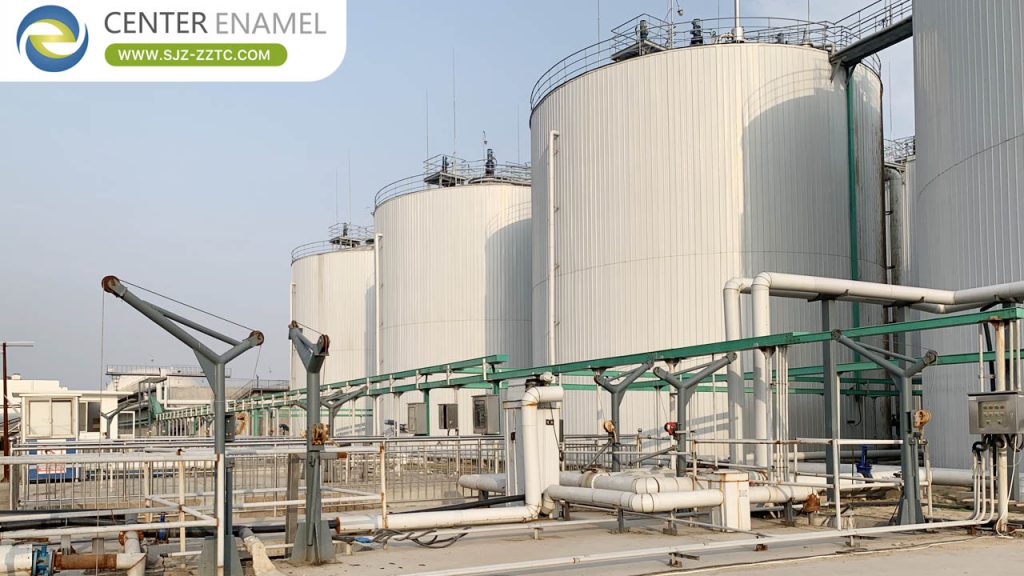
Zhenyuan Group Biogas Project, Henan. This plant produces 3 million m³ per year of vehicle-grade methane from 650 tonnes per day of manure and washing wastewater, a proven example that CBG can be supplied at transport-fuel scale and purity when feedstock and upgrading are engineered together.
| Project | Zhenyuan Group Biogas Project, Henan |
| Location | Xinzheng, Henan, China |
| Industry | Agriculture / Renewable Fuel |
| Application | Vehicle-grade methane production |
| Product | CSTR primary 3 × Ø15.29 × 15 m, secondary Ø5.22 × 6 m |
| Result | 3,000,000 m³ vehicle-grade CH₄ per year |
| Status | Delivered 2013 |
About Shijiazhuang Zhengzhong Technology Co., Ltd (Center Enamel)
Shijiazhuang Zhengzhong Technology Co., Ltd (Center Enamel) supplies the product technology that makes CBG vehicle fuel viable at the source: GFS digester and gas-holder tanks for biogas generation and pressure-vessel manufacturing (I/II class license, ASME, ISO 9001) for the compression and storage that feed a CBG dispenser. The company views vehicle fuel as the last link of one engineered fuel system.
CBG is a viable vehicle fuel where NGV infrastructure and a steady feedstock exist; it matches CNG and beats diesel on carbon. Send your feedstock and fleet plan and we will size the CBG supply to your dispensers.
Frequently Asked Questions (FAQ)
Q1: Is biomethane a real vehicle fuel?
A: Yes, where 200-250 bar NGV infrastructure exists; it already runs CNG-ready fleets.
Q2: Does CBG match CNG specs?
A: Yes, same 200-250 bar pressure and NGV1 nozzle, so CNG vehicles run on it.
Q3: How does CBG compare to diesel?
A: CBG has a lower well-to-wheel CO₂ and is renewable, while diesel is dense but carbon-heavy.
Q4: What limits CBG viability?
A: NGV refueling infrastructure and a steady, local feedstock supply, not the gas technology.
Q5: What purity is needed?
A: About 95-99% CH₄ to meet vehicle fuel specifications.
Q6: Is the carbon benefit real?
A: Yes, methane from renewable organics carries a much lower profile than diesel or fossil gas.
Suggested CTA
Send your feedstock and fleet plan. We will size the CBG supply, compression, and storage to your vehicle dispensers.