
Is Dung Biogas Cheaper than LPG or Grid Electricity?
For a farm that already keeps cattle, dung biogas is generally cheaper than LPG and competitive with or cheaper than retail grid electricity, because the fuel (manure) is a free by-product and the levelized cost of the energy is dominated by fixed capital rather than a recurring fuel bill. The comparison flips only when the biogas cannot be used on-site or the grid price is unusually low.
The Cost Structure That Favours Biogas
LPG carries a perpetual per-kg fuel cost and grid power a per-kWh tariff you pay forever; biogas from your own manure carries near-zero marginal fuel cost once the plant is built. The levelized cost of the biogas energy is essentially the capital recovery spread over the energy produced, so it improves the more of the heat and power you actually use on the farm. The catch is the upfront digester and CHP investment, which the earlier cost article priced at $2,500–7,000 per kW.
Comparative Data Table: Levelized Energy Cost
| Energy source | Marginal fuel cost | Levelized cost tendency |
| On-farm dung biogas | near zero (manure by-product) | low, once capital repaid |
| LPG | high, per kg, volatile | high and recurring |
| Grid electricity (retail) | per kWh, tariff dependent | medium-high, recurring |
| Diesel / oil heat | high, per litre | high and recurring |
Where LPG or Grid Still Win—and the Bottom Line
LPG wins only for portable or intermittent loads far from the digester, where piping biogas is impractical, and grid power wins where retail tariffs are heavily subsidised and the farm has no heat demand to pair with the electricity. In the typical dairy case—steady manure, year-round heat and power needs—capturing the manure’s energy beats buying LPG or grid power on lifetime cost, especially as fossil prices rise. The saving is realised only when the CHP runs at useful load, not when biogas is flared.
Frequently Asked Questions (FAQ)
Q1: Is dung biogas cheaper than LPG or grid electricity?
A: For a farm that keeps cattle, generally yes—manure is a free by-product, so biogas has near-zero marginal fuel cost and a low levelized energy cost versus recurring LPG or grid bills.
Q2: What is the levelized cost of biogas?
A: It is the capital recovery on the digester and CHP (about $2,500–7,000/kW) spread over the energy produced. It falls the more heat and power you use on-site, approaching just O&M once capital is repaid.
Q3: Where does LPG win?
A: Only for portable or intermittent loads far from the digester where piping biogas is impractical, or where retail grid tariffs are heavily subsidised and the farm has no heat demand to pair with the electricity.
Q4: How much can a farm save?
A: The saving is the avoided LPG and grid spend minus O&M, realised only when the CHP runs at useful load. Flaring biogas or letting the engine idle erases the advantage.
Project Case Reference
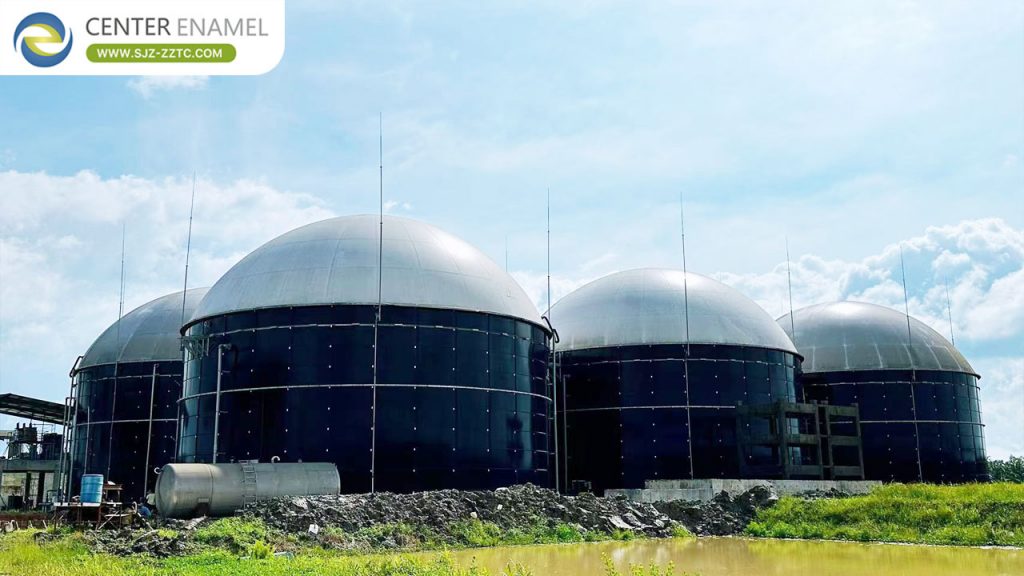
Zhaqi Biogas Project in Inner Mongolia — Xing'an, Inner Mongolia, China · 2017
900 m³/D Capacity · 4 CSTR Reactors · 20,000 m³ Biogas/Day
A medium-temperature anaerobic fermentation biogas project in Zhaqi, Inner Mongolia. The plant processes 900 m³/day of farm animal manure and agricultural waste including grass straw, producing 20,000 m³ of biogas daily. The project features 4 sets of CSTR (Continuous Stirred-Tank Reactor) anaerobic reactors specifically designed for cold climate operation.
Technical Specifications
Handling Capacity: 900 m³/D (manure + agricultural waste)
Treatment Type: Medium Temperature Anaerobic Fermentation
Reactor Type: CSTR (Continuous Stirred-Tank Reactor)
Reactor Size: 4 sets of Φ25.98 × 8.4 m
Daily Biogas Output: 20,000 m³/day
Feedstock: Animal manure + grass straw