
Is Palm Oil Actually Bad for the Environment? The Truth About POME and Biogas Solutions
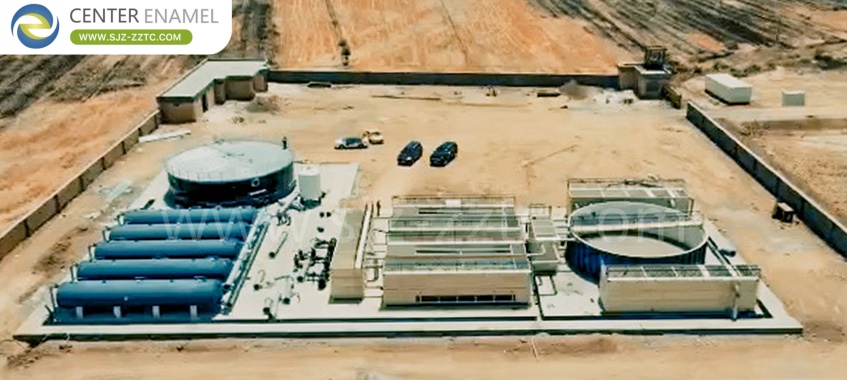
Palm oil itself is not inherently harmful — the real environmental damage often comes from how mills handle the wastewater left behind after processing. This article looks at why untreated Palm Oil Mill Effluent (POME) ponds pose serious environmental risks, why proper treatment matters, and how converting POME into biogas turns a pollution problem into a renewable energy opportunity.
Why People Ask If Palm Oil Is Bad for the Environment
Palm oil is one of the most widely used vegetable oils in the world, found in food products, cosmetics, and biofuels. Much of the criticism directed at palm oil focuses on land use change and deforestation associated with new plantation development. However, an equally significant but less discussed issue lies downstream at the mill itself: the wastewater generated during palm oil extraction. Each ton of fresh fruit bunches processed produces several tons of POME, a thick, acidic, high-strength organic wastewater. How this effluent is managed — not the oil itself — largely determines whether a palm oil operation causes lasting environmental harm or operates responsibly within its surrounding ecosystem.
The Environmental Danger of Untreated POME Ponds
Many mills still store POME in open, unlined lagoons before eventual discharge or land application. These ponds create several serious environmental problems. First, POME contains extremely high chemical oxygen demand (COD) and biological oxygen demand (BOD) levels, meaning that if it leaks or overflows into nearby rivers and streams, it rapidly depletes dissolved oxygen, killing fish and aquatic life. Second, open lagoons allow organic matter to decompose anaerobically without any gas capture, releasing large volumes of methane directly into the atmosphere — a greenhouse gas roughly 28 times more potent than carbon dioxide over a 100-year period. Third, these ponds generate strong, persistent odours that affect the quality of life for nearby communities and can signal broader groundwater contamination risks from seepage. Left unmanaged, a single mill's effluent ponds can undo much of the environmental goodwill gained through sustainable plantation practices elsewhere in the supply chain.
Why Treating POME Properly Matters
Given these risks, proper POME treatment is arguably the single most impactful environmental decision a palm oil mill can make. Effective treatment protects local water quality, reduces harmful odours affecting surrounding communities, and — critically — prevents uncontrolled methane release that would otherwise contribute heavily to a mill's overall carbon footprint. Regulatory bodies and sustainability certification schemes increasingly require mills to demonstrate proper effluent management as a condition of market access, particularly for palm oil destined for export markets with strict environmental standards. Beyond compliance, well-managed POME treatment also protects a mill's long-term license to operate within its community, reducing the risk of disputes, closures, or reputational damage linked to pollution incidents.
Treatment Methods: From Open Ponds to Engineered Systems
Historically, most mills relied on multi-stage open lagoon systems, allowing gradual anaerobic and facultative decomposition over several weeks before final discharge or land application. While inexpensive to build, these systems are land-intensive, slow, difficult to control, and release methane uncontrolled. Modern engineered alternatives address these shortcomings directly. Enclosed anaerobic digesters — including Upflow Solids Reactor (USR) systems designed for wastewater with total solids content of 3% to 6% — replace open ponds with sealed tanks where microorganisms break down organic matter under controlled conditions. Pretreatment steps such as mechanical screening, oil separation, and flow regulation further improve system stability before wastewater reaches the digester. The result is a treatment process that is faster, more predictable, and dramatically reduces uncontrolled emissions compared with traditional lagoon-based approaches.
Turning POME Into Biogas: A Better Path Forward
The most significant advantage of enclosed, engineered POME treatment is that it allows mills to capture rather than release the methane generated during decomposition — converting a pollution source into usable renewable energy. Instead of escaping into the atmosphere, biogas produced in an anaerobic digester can be dehydrated, desulfurized, and used to power boilers, run generators for on-site electricity, or be upgraded into compressed natural gas (CNG) for vehicle use. This directly reduces a mill's reliance on diesel or grid electricity, cutting operating costs while simultaneously reducing greenhouse gas emissions. The remaining digestate also retains valuable nutrients: liquid digestate can be applied directly to plantation land as fertilizer, while fibrous solids can be composted into organic soil amendments. In this way, biogas conversion transforms POME from an environmental liability into a resource that supports energy savings, emissions reduction, and improved plantation soil health all at once.
Center Enamel's Experience in Biogas Treatment Solutions
Delivering a reliable biogas conversion system requires engineering expertise, proven equipment, and a track record of successful project delivery — this is where Center Enamel brings significant value to palm oil producers. Operating from a large-scale research and production base with an annual manufacturing capacity of 250,000 sheets, Center Enamel designs and supplies complete biogas treatment systems, including USR reactors, Glass-Fused-to-Steel (GFS) tanks, and Double Membrane Roof gas storage covers engineered specifically for high-strength organic wastewater like POME. GFS tanks resist the corrosive, acidic conditions typical of palm oil effluent while offering fast, modular installation compared with conventional construction methods.
Backed by international certifications including CE/EN1090, ISO 9001, NSF61, WRAS, and EN28765, and with project experience spanning more than 100 countries, Center Enamel offers full EPC services covering design, equipment supply, and construction — giving mill owners a single, dependable partner for converting POME challenges into functioning biogas assets.
Conclusion
Palm oil itself is not the environmental villain it is sometimes portrayed to be — the real risk lies in how mills manage the wastewater generated during processing. Untreated POME ponds threaten water quality, community wellbeing, and climate goals through uncontrolled methane release. Proper treatment, particularly through enclosed anaerobic digestion systems that convert POME into biogas, addresses these risks directly while turning waste into renewable energy and valuable fertilizer. With experienced partners like Center Enamel providing proven equipment and engineering support, palm oil mills have a clear, practical path toward more responsible and profitable wastewater management.
Frequently Asked Questions
Q1: Is palm oil production itself the main cause of environmental harm?
Not entirely — while land use change is a valid concern, untreated palm oil mill wastewater (POME) is a major and often overlooked source of water pollution and methane emissions at the processing stage.
Q2: Why is untreated POME considered dangerous to the environment?
Untreated POME has extremely high organic content that depletes oxygen in waterways if it leaks, while open lagoon storage releases large volumes of methane, a potent greenhouse gas, directly into the atmosphere.
Q3: How does converting POME into biogas benefit palm oil mills?
Converting POME into biogas captures methane for use as fuel or electricity, reducing energy costs and emissions, while the leftover digestate can still be used as organic fertilizer for plantation land.