
Is Poultry Waste Profitable? Turning Farm Liabilities into New Income Streams
For decades, commercial poultry producers viewed manure and spent bedding litter as an expensive, unavoidable nuisance. Managing tons of wet organic waste incurred heavy hauling fees, storage taxes, and regulatory compliance costs, dragging down overall farm profit margins.
Today, the paradigm is shifting rapidly toward a circular bioeconomy. Driven by advanced waste-to-wealth technologies, poultry waste is no longer just a disposal challenge—it is a valuable raw material. By implementing targeted valorization strategies, farm operators can transform operational liabilities into consistent, diversified income streams.
The Hidden Costs of Traditional Poultry Waste Management
Before calculating profitability, it helps to understand what unmanaged waste costs a farm:
- Escalating Hauling and Tipping Fees: Transporting bulky, water-heavy litter to distant landfills or agricultural plots drains capital on a weekly basis.
- Environmental Penalties: Failing to manage nitrogen-rich runoff and odor emissions can trigger severe regulatory fines and legal liabilities.
- Lost Resource Value: Discarding raw manure means throwing away rich concentrations of nitrogen, phosphorus, potassium, and high-energy organic matter.
Three Core Ways Poultry Waste Generates Revenue
Modern commercial installations turn poultry litter into profit through three primary avenues:
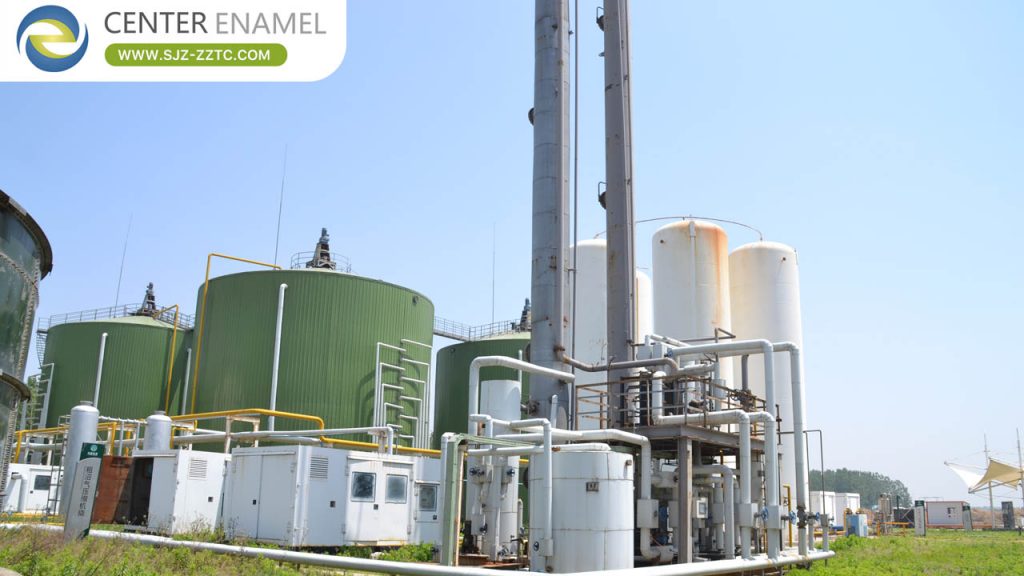
- On-Site Energy Generation (Biogas & CHP): Running an anaerobic digester converts chicken waste into clean biogas. Using this gas in Combined Heat and Power (CHP) engines slashes monthly electricity and heating bills, often cutting farm utility expenditures by up to 40%.
- High-Value Organic Fertilizer Sales: Raw slurry or litter processed into pasteurized organic fertilizer pellets or liquid digestate provides a lucrative substitute for expensive synthetic chemical fertilizers, creating a secondary retail product.
- Carbon Credits and Subsidies: Destroying fugitive methane emissions prevents greenhouse gases from entering the atmosphere, unlocking government financial assistance, carbon offset credits, and green energy incentives.
Comparative Data Table: Poultry Waste Monetization Pathways
| Valorization Method | Primary Output Product | Initial Investment Level | Revenue Potential & Financial Return |
| Controlled Composting | Humus-rich organic fertilizer | Low to Moderate | Low operating cost; steady regional fertilizer sales. |
| Anaerobic Digestion & CHP | Electricity, thermal heat, and digestate | Moderate to High | High monthly utility savings and short-term ROI (3–5 years). |
| Thermal Pelletization | Exportable organic fertilizer pellets | High | Premium market pricing; ideal for long-distance agricultural distribution. |
Frequently Asked Questions (FAQ)
Q1: Is poultry waste more profitable than cattle or pig manure?
A: Yes, in terms of energy and nutrient density. Chicken manure contains higher volatile solids and nutrient concentrations than cattle slurry, yielding significantly more methane per ton. However, its high nitrogen content requires careful management to prevent ammonia inhibition.
Q2: How quickly can a farm recover the investment cost of a poultry waste energy system?
A: For commercial poultry operations utilizing anaerobic digestion or composting systems, the typical financial payback period ranges between 3 to 5 years, accelerated by energy savings and government subsidies.
Q3: Can small-scale poultry farmers profit from waste management?
A: While large industrial complexes maximize returns through automated biogas and pelletization plants, smaller farms can achieve local profitability by adopting decentralized aerobic composting or joining cooperative community bioenergy grids.