
Limitations of Biogas Technology: Challenges, Economic Hurdles, and Operational Risks
As the global energy landscape accelerates its transition toward green infrastructure and circular economies, anaerobic digestion (AD) has gained recognition for converting organic waste into renewable energy and organic bio-fertilizer. However, like any complex engineering system, the technology is not without significant hurdles.
Understanding the limitations of biogas technology is essential for project developers, municipal planners, and environmental engineers seeking a realistic evaluation of its capital requirements, operational complexities, and long-term economic viability.
1. High Capital Costs and Economic Vulnerability
The initial financial commitment required to construct an industrial-scale biogas plant is substantial.
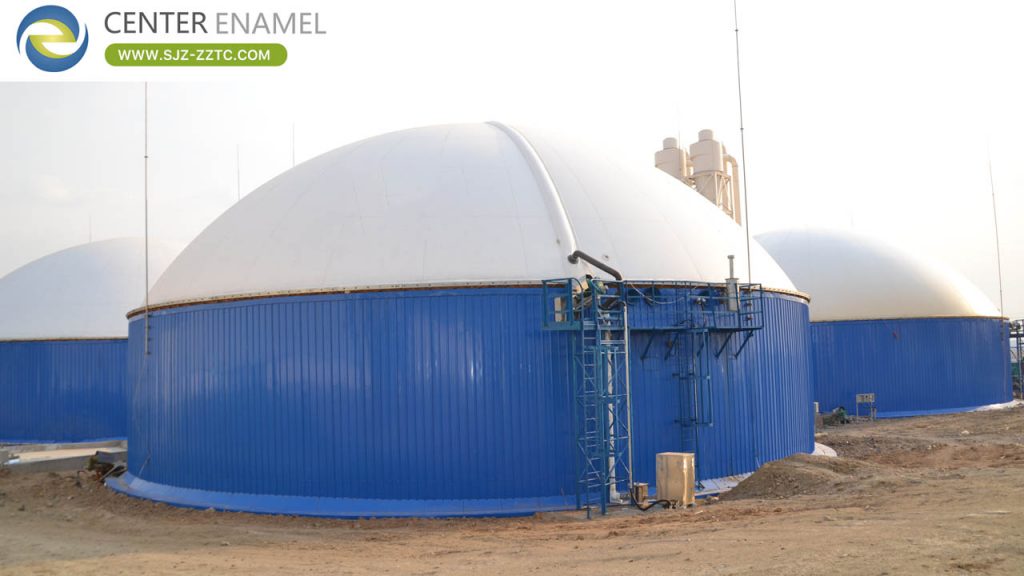
- Prohibitive Installation Expenses: Setting up heavy-duty anaerobic digesters, reinforced concrete structures, gas storage domes, and advanced gas purification skids demands high capital expenditure.
- The "Subsidy Cliff": Historically, many commercial biogas projects relied heavily on government feed-in tariffs or green energy grants to remain profitable. As these subsidies expire or phase down in various regions, plants face intense financial pressures competing in open energy markets.
2. Operational Complexity and Biological Sensitivity
A biogas facility is a dynamic biological system operating 24 hours a day, 7 days a week—it is not a "set-it-and-forget-it" infrastructure.
- Microbial Vulnerability: The microbial communities driving anaerobic digestion are highly sensitive. Sudden fluctuations in feedstock composition, hydraulic overloading, or toxic concentrations of ammonia can crash the reactor biology, halting gas production.
- Temperature Sensitivity: Optimal digestion requires strict thermal control—typically maintaining mesophilic (around 37°C) or thermophilic (50°C to 55°C) environments. In colder climates or during winter, maintaining these constant temperatures demands significant parasitic energy consumption, reducing net plant efficiency.
3. Corrosive Impurities and Equipment Degradation
Raw biogas is a wet, aggressive gas mixture containing undesirable trace compounds.
- Hydrogen Sulfide and Moisture: Hydrogen sulfide ($H_2S$) and water vapor combine inside the piping and equipment to form corrosive acids. This chemical attack targets Combined Heat and Power (CHP) engines, leading to high-frequency maintenance, component wear, and costly downtime.
- Siloxanes: Found commonly in municipal waste streams, siloxanes convert into abrasive micro-crystalline silica during combustion, severely damaging engine valves and catalytic emission control systems.
4. Feedstock Logistics and Resource Competition
Sustaining a high-volume commercial biogas plant requires a secure, uninterrupted supply of organic material.
- Supply Chain and Transport: Organic waste is bulky and has a high moisture content, making long-distance transport economically unviable due to high trucking costs and carbon footprints.
- Land Use and Social Debates: The cultivation of dedicated energy crops (such as maize) for co-digestion has triggered the "tank-versus-plate" debate, placing bioenergy production in direct competition with food crop agriculture and raising sustainability concerns.
5. Fugitive Methane Emissions
While biogas captures and utilizes methane that would otherwise escape into the atmosphere, poorly managed facilities risk accidental leaks from storage gasholders, valves, or digestate tanks. Because methane is a potent greenhouse gas, unmitigated fugitive emissions can undermine the net climate benefits of the facility.
Comparative Data Table: Limitations of Biogas Technology
| Limitation Category | Primary Root Cause | Operational Impact | Mitigation Strategy |
| Economic Barriers | High capital expenditure & expiring subsidies | Reduced financial ROI for small and medium producers | Long-term feedstock contracts & government incentives |
| Biological Instability | Temperature shifts or toxic ammonia buildup | Digester "sourness" and sudden drop in methane yields | Automated monitoring systems & continuous lab testing |
| Corrosive Impurities | Presence of $H_2S$, moisture, and siloxanes | Severe wear, fouling, and maintenance downtime on CHP engines | Biological/chemical desulfurization & gas drying skids |
| Feedstock Logistics | Seasonal variations and bulky waste transport | Sourcing bottlenecks and high transportation costs | Co-digestion mixing strategies & local supply partnerships |
| Methane Leakage | Structural wear or poor seal maintenance | Unintended greenhouse gas release reducing net climate benefits | Regular leak detection audits & double-membrane security |
Frequently Asked Questions (FAQ)
Q1: What is the biggest economic challenge facing biogas plant operators?
A: The high initial capital cost of construction combined with expiring government subsidies (the "subsidy cliff") represents the primary economic hurdle, making long-term profitability heavily dependent on local energy market conditions and efficient waste tipping fees.
Q2: Why does raw biogas cause damage to power generation engines?
A: Raw biogas contains corrosive hydrogen sulfide ($H_2S$), moisture, and siloxanes. When burned, these impurities form acids and abrasive silica deposits that cause severe mechanical wear, corrosion, and premature failure in CHP engines.
Q3: Can cold weather stop a biogas plant from producing energy?
A: Cold weather does not necessarily stop production, but it significantly increases operational challenges. Low ambient temperatures can cool the bioreactor below optimal mesophilic or thermophilic levels, requiring extra thermal energy input to maintain microbial digestion rates.