
Manure Management on Dairy Farms: Methods, Benefits, and Best Practices
Manure management on dairy farms is an essential part of maintaining a clean, healthy, and sustainable farming environment. Dairy cows produce large amounts of manure every day, which contains valuable nutrients such as nitrogen, phosphorus, and potassium. When handled properly, this manure can be transformed into useful fertilizer, renewable energy, and other agricultural resources.
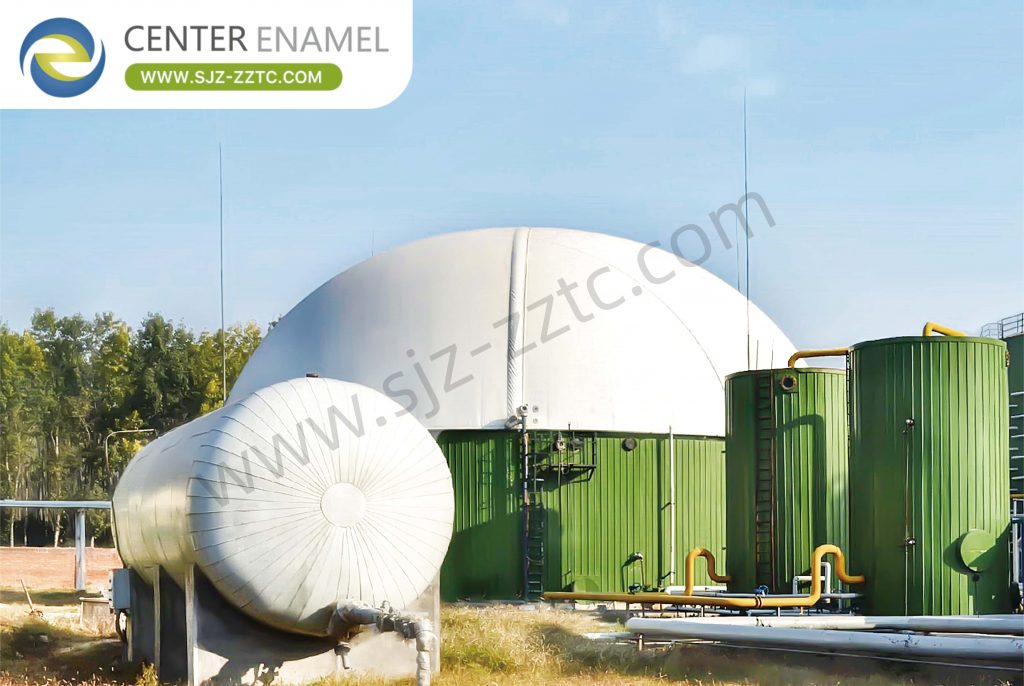
However, improper manure handling can lead to unpleasant odors, water pollution, greenhouse gas emissions, and animal health problems. Understanding effective dairy manure management methods helps farmers reduce environmental risks, improve farm efficiency, and make better use of available resources.
What Is Manure Management on Dairy Farms?
Manure management on dairy farms refers to the collection, storage, treatment, transportation, and utilization of manure produced by dairy cattle.
The process involves several stages, including removing manure from barns, separating solid and liquid materials, storing manure safely, and applying treated manure to agricultural land.
An effective manure management system helps dairy farmers control waste while recovering valuable nutrients and reducing environmental pollution.
Why Is Dairy Manure Management Important?
Proper dairy manure management provides several important benefits for farm operations and the environment.
Environmental protection: Reduces the risk of nutrient runoff and groundwater contamination.
Improved farm hygiene: Keeps barns, feeding areas, and walking surfaces cleaner.
Better animal health: Helps reduce exposure to harmful microorganisms, flies, and excessive moisture.
Nutrient recovery: Converts manure into organic fertilizer that supports soil fertility.
Lower operating costs: Reduces fertilizer expenses and improves resource utilization.
Sustainable farming: Helps reduce waste and supports more environmentally responsible dairy production.
Common Types of Dairy Manure
Dairy manure generally consists of feces, urine, bedding materials, spilled feed, and wash water. Its physical characteristics depend on the farm's housing system, bedding materials, and cleaning methods.
| Manure Type | Main Characteristics | Common Handling Method |
| Solid manure | Contains more solids and bedding materials | Scraping, stacking, composting |
| Liquid manure | Contains high moisture content | Pumping, tank storage |
| Slurry manure | Mixture of manure and limited added water | Agitation, pumping, storage |
| Separated manure | Solid and liquid fractions separated mechanically | Composting and liquid storage |
Understanding manure characteristics is important when selecting suitable manure handling equipment and storage systems.
Manure Collection Methods on Dairy Farms
Efficient manure collection is the first step in a successful manure management program.
Common collection methods include:
Mechanical scraping: Scrapers remove manure from barn alleys and transfer it to collection channels or storage areas.
Flushing systems: Water moves manure through barn channels into collection or separation facilities.
Vacuum collection: Specialized equipment collects liquid manure from designated areas.
Automatic manure removal systems: Automated scrapers operate at scheduled intervals to reduce manual labor.
The right collection method depends on barn design, herd size, manure consistency, water availability, and labor costs.
Dairy Manure Storage Solutions
Proper manure storage prevents uncontrolled runoff, reduces odor problems, and allows farmers to manage nutrients more effectively.
Common dairy manure storage solutions include:
Concrete manure pits: Suitable for collecting and temporarily storing liquid or slurry manure.
Manure lagoons: Engineered storage structures designed for liquid manure management.
Solid manure storage areas: Designed for stacking solid manure before treatment or land application.
Covered storage facilities: Help reduce rainfall entering storage systems and can limit odors and ammonia emissions.
Storage capacity should account for manure production, rainfall, wash water, seasonal conditions, and the time when land application is possible.
Dairy Manure Treatment and Processing Methods
Manure treatment helps improve handling efficiency, recover nutrients, and reduce environmental impacts.
| Treatment Method | How It Works | Main Benefits |
| Solid-liquid separation | Separates manure into solid and liquid fractions | Easier storage and handling |
| Composting | Uses microorganisms to decompose organic materials | Produces a soil amendment |
| Anaerobic digestion | Breaks down organic matter without oxygen | Generates biogas and digestate |
| Drying | Reduces moisture content | Makes solid manure easier to transport and store |
Among these methods, anaerobic digestion is particularly useful for farms seeking to recover renewable energy from manure. The resulting biogas can be used for electricity, heating, or upgraded renewable natural gas, depending on the system.
How to Use Dairy Manure as Organic Fertilizer
Dairy manure contains nutrients and organic matter that can improve soil structure and support crop growth.
Before applying manure to farmland, farmers should consider the following steps:
Test manure nutrient content to understand nitrogen, phosphorus, and potassium levels.
Conduct soil testing to identify existing nutrient levels and crop requirements.
Calculate application rates based on crop nutrient needs.
Apply manure during suitable weather conditions to reduce runoff risks.
Incorporate manure into the soil when appropriate to reduce nutrient losses.
Proper application timing and nutrient management are essential. Applying excessive manure can cause nutrient accumulation, water pollution, and unnecessary fertilizer losses.
Best Practices for Effective Manure Management
A well-designed manure management plan should consider daily farm operations and long-term environmental protection.
Important best practices include:
Clean manure from barn areas regularly.
Maintain manure scrapers, pumps, separators, and storage equipment.
Inspect storage facilities for leaks, cracks, and structural damage.
Keep clean stormwater separate from contaminated wastewater.
Maintain adequate storage capacity for seasonal application restrictions.
Develop a nutrient management plan based on manure and soil testing.
Train farm employees in safe manure handling procedures.
Farmers should also pay attention to manure gases, including methane, ammonia, and hydrogen sulfide. Manure pits and enclosed storage areas can be extremely dangerous. Proper ventilation, restricted access, and appropriate safety procedures are essential.
How to Choose the Right Manure Management System
There is no single manure management system suitable for every dairy farm. The best solution depends on farm-specific conditions.
| Selection Factor | What to Consider |
| Herd size | Daily manure production and storage requirements |
| Farm layout | Barn design and manure collection distance |
| Budget | Equipment investment and maintenance costs |
| Land availability | Space for manure storage and fertilizer application |
| Labor | Manual or automated handling requirements |
| Environmental regulations | Local requirements for storage, treatment, and application |
Small farms may benefit from simple scraping and composting systems, while larger dairy operations may require automated collection, mechanical separation, or anaerobic digestion facilities.
Conclusion
Manure management on dairy farms is more than simply removing animal waste. It is an important process that supports farm hygiene, environmental protection, nutrient recycling, and sustainable dairy production.
By combining efficient manure collection, appropriate storage, effective treatment, and responsible land application, dairy farmers can turn manure into a valuable agricultural resource.
Choosing the right manure management system based on farm size, operational needs, and environmental requirements is the key to achieving long-term efficiency and sustainability.
Frequently Asked Questions (FAQs)
1. What is the most common method of manure management on dairy farms?
Common methods include mechanical scraping, flushing, solid-liquid separation, composting, and liquid manure storage. The most suitable method depends on farm size, barn design, manure consistency, and available equipment.
2. Can dairy cow manure be used directly as fertilizer?
Yes. Dairy manure can be used as organic fertilizer, but its nutrient content should be tested before application. Farmers should calculate appropriate application rates and follow local regulations to prevent nutrient runoff and soil contamination.
3. How often should manure be removed from dairy barns?
Manure removal frequency depends on the housing system and farm management practices. Many dairy farms remove manure daily or several times a day to maintain clean floors, improve barn hygiene, and reduce moisture buildup.