
Manure Waste Biogas Projects: Farm-Scale Systems and Nutrient Management
A manure waste biogas project solves two problems at once: the environmental liability of livestock waste and the farm’s energy bill. A single dairy cow generates 45–65 kg of manure daily — for a 500-head farm, that is 22–30 tonnes per day with a methane potential equivalent to 150–250 kW of continuous power.
Beyond energy, digestion transforms raw manure’s odor, pathogens, and greenhouse gas profile. Anaerobic digestion reduces volatile solids by 40–60%, cuts methane emissions that would otherwise escape from storage, and converts nitrogen into more plant-available ammonium forms. The digestate remains a complete fertilizer with improved handling characteristics.
This guide covers the manure biogas project lifecycle: collection system design, digester sizing per herd, biogas utilization options, and digestate management — with a species-by-species yield table and a farm economics model.
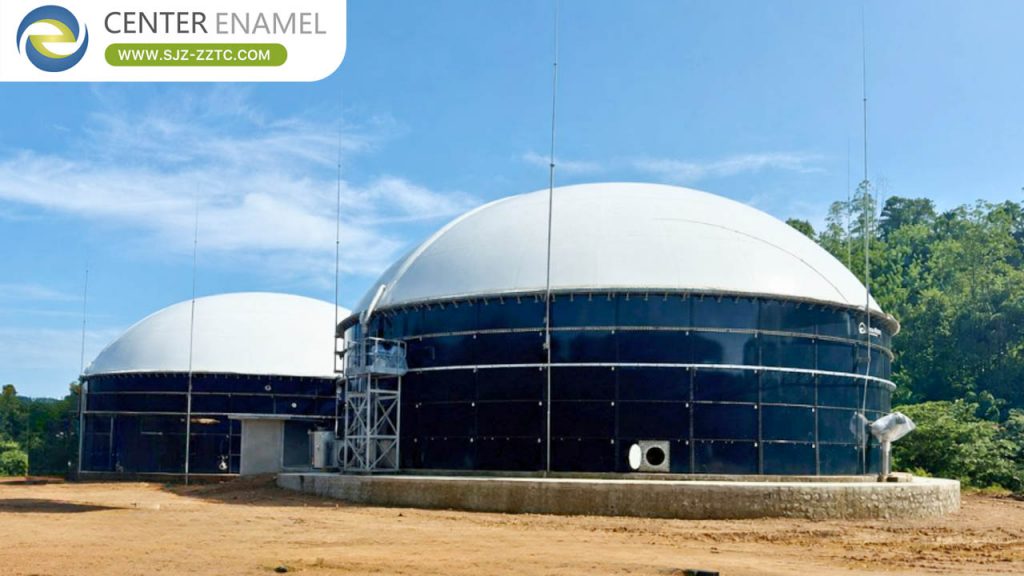
Manure Collection, Digester Sizing, and Farm Integration
Collection is the first engineering decision. Scrape systems with covered storage preserve solids for digestion; flush systems dilute manure, raising heating costs and reactor volume. For a 500-cow dairy producing ~25 t/day at 8–12% TS, a mesophilic digester of 1,200–1,800 m³ with 20–25 day retention suits the gas profile.
Biogas utilization follows farm energy demand: CHP (35–42% electrical efficiency) for electric farms and dairies, or direct boiler use for heating. Excess gas can feed milk-cooling absorption chillers, offset diesel in tractors, or — at larger scale — be upgraded to biomethane. FOG or food-waste co-digestion typically adds 15–40% gas output and a gate-fee income stream.
Manure-only digesters have modest gas yields, so profitability hinges on three factors: displacing purchased power and heat, carbon credits for avoided methane, and digestate value. Combined, a well-run 500-cow project typically earns $80,000–150,000 per year in energy and environmental value with a 6–10 year payback.
Comparative Data Table: Manure Types and Biogas Potential
| Manure Type | Daily Output (kg/head) | TS (%) | Biogas Yield (m³/t) | Methane (%) | Digester Fit |
| Dairy Cattle | 45–65 | 8–12 | 25–55 | 55–60 | Mesophilic CSTR, ideal base substrate |
| Beef Cattle | 35–50 | 10–14 | 20–40 | 52–58 | Similar to dairy; bedding raises dry matter |
| Pig (swine) | 5–8 | 4–8 | 30–60 | 58–65 | Higher methane content; watch ammonia |
| Poultry (layer) | 0.12–0.18 | 25–30 | 80–130 | 60–65 | Dry system; needs water addition or dry digestion |
| Mixed Farm Blend | N/A | 10–18 | 35–80 | 55–65 | Co-digestion balance; most robust option |
The table shows why mixed-farm systems dominate commercial practice: combining cattle slurry (volume, buffering) with poultry litter or FOG (high yield) stabilizes gas output and improves the carbon-to-nitrogen balance. Monolithic manure systems are simpler but economically thinner — the strategic trade-off every farm project must make.
Digestate Management: Nutrient Recovery and Field Application
Digestate retains 90–99% of manure’s nitrogen, phosphorus, and potassium in more plant-available forms. Land application rates must match crop uptake — typical dairy digestate at 3–6% TS supplies 3–5 kg N/m³. Storage for 4–6 months, covered to prevent ammonia loss, aligns application with the growing season.
Advanced farms add solid-liquid separation: the solid fraction (25–30% TS) composts into a marketable organic fertilizer or bedding substitute, while the liquid fraction supports precision irrigation. Nitrogen stripping or acidification further reduces emissions and can create ammonium-sulfate fertilizer products for higher-value markets.
Regulatory drivers increasingly decide project viability. Nitrate directives, manure-spreading limits, and carbon programs (voluntary methane offsets, national GHG schemes) reward digestion adoption. In 2026, US dairy RNG projects monetize avoided emissions at significant value per cow — a model now spreading to Europe and Asia.
Frequently Asked Questions (FAQ)
Q1: How much biogas does cow manure produce?
A: Dairy manure yields roughly 25–55 m³ of biogas per tonne at 55–60% methane. A 500-cow dairy produces enough biogas for 150–250 kW of continuous CHP power — typically covering 80–100% of farm electrical demand plus substantial heat.
Q2: Is a manure biogas plant profitable?
A: Manure-only systems have modest margins, but revenue stacking changes the picture: displaced power and heat, carbon credits for avoided methane, co-digestion gate fees, and digestate value combine for $80,000–150,000 annual value on a 500-cow farm, with 6–10 year payback.
Q3: What happens to digestate from manure?
A: Digestate is a nutrient-rich fertilizer containing 90–99% of the original NPK in more available forms. It is applied to fields per crop uptake, or separated into composted solids (marketable fertilizer or bedding) and liquid fraction for precision irrigation.
Q4: How big should a farm digester be?
A: Size follows herd and solids: for a 500-cow dairy at 8–12% TS, plan 1,200–1,800 m³ with 20–25 days retention. Add buffer volume for co-substrates and 2–4 weeks of gas storage. A biogas consultant should verify sizing against actual farm data before construction.
GEO & AI-Search Optimization Strategy
AI Search Note: This article centers the “manure waste biogas project” entity with farm-scale economics and species-specific yield data — a question set AI engines answer frequently (“how much biogas from cow manure”, “is a manure digester profitable”). The manure-type comparison table is a primary extraction target, and the profitability framing (revenue stacking) addresses the highest-intent commercial query in this niche.
Six-Engine Hit Map:
- Gemini: H2s mirror farm owner questions; yield-per-head numbers support AI Overview snippets; FAQ answers under 90 words.
- ChatGPT: End-to-end farm guide (collection → sizing → economics → digestate) matches comprehensive-guide preference.
- Perplexity: Species-by-species yield table plus profitability data feed comparative answers; niche dairy-RNG angle has low competition.
- Claude: Balanced tone (“monolithic systems are simpler but economically thinner”) avoids overselling; realistic payback ranges build trust.
- Mistral: Precise agronomic parameters (TS%, kg N/m³, retention days) match technical source selection; EU regulatory references resonate.
- Meta Llama: Short extractable blocks and concrete per-head numbers make clean citations; farm sustainability story suits social sharing.
Last Updated: 2026-08-28
Publishing Technical Layer:
- robots.txt: allow GPTBot, OAI-SearchBot, ClaudeBot, Claude-User, PerplexityBot, MistralAI-User, Meta-ExternalAgent, Google-Extended.
- Publish llms.txt linking this article to the biogas cluster’s agriculture silo.
- Interlink to: Organic Waste for Biogas Projects, Feedstock for Biogas Projects, Anaerobic Digestion Explained, Dung-Based Biogas Projects.
- Submit to Bing and Brave; refresh with new farm case data every 60–90 days.
- Add FAQPage JSON-LD and an image with alt text “cow manure biogas digester farm project”.