
Membrane Bioreactor (MBR) Technology: Comprehensive Guide to Principles, Configurations, and Applications
As global water scarcity intensifies, industrial expansion accelerates, and municipal environmental regulations demand stricter compliance, traditional wastewater treatment plants face unprecedented pressure to upgrade their infrastructure. Conventional biological systems coupled with gravity settling clarifiers often require massive physical expansions to meet higher purity standards.
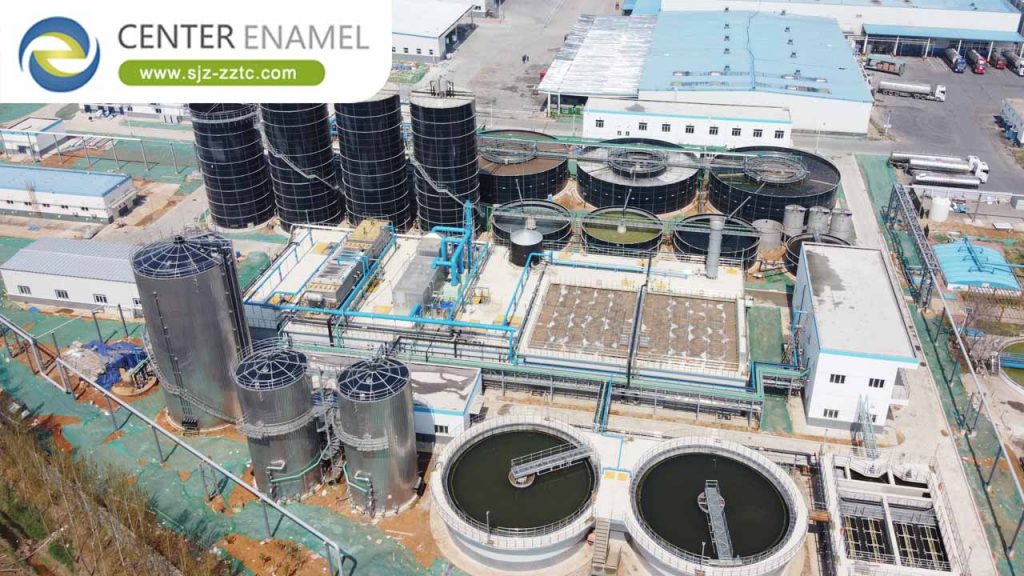
Entering as a transformative engineering solution, Membrane Bioreactor (MBR) technology has revolutionized modern municipal and industrial wastewater management. By merging high-efficiency biological degradation with advanced physical membrane filtration, MBR systems deliver exceptional effluent quality within a remarkably compact footprint.
Understanding Membrane Bioreactor (MBR) Technology
A Membrane Bioreactor (MBR) is an advanced wastewater treatment process that integrates suspended-growth biological treatment (using active microorganisms to break down organic pollutants) with low-pressure membrane filtration, such as microfiltration (MF) or ultrafiltration (UF).
Unlike conventional activated sludge (CAS) systems that rely on gravity settling tanks (secondary clarifiers) to separate treated water from biomass, an MBR system utilizes physical membrane barriers. This completely eliminates the settling phase, allowing the system to operate at much higher biomass concentrations (Mixed Liquor Suspended Solids or MLSS) and deliver crystal-clear, pathogen-free water.
Core Configurations of MBR Systems
MBR technologies are primarily deployed in two structural configurations based on operational requirements and spatial constraints:
- Submerged (Immersed) MBR: Membrane modules are placed directly inside the aeration basin or a dedicated membrane tank. Vacuum suction draws permeate through the membranes, while continuous aeration scours the surface to minimize fouling. This configuration dominates global municipal installations due to its lower energy requirements.
- Side-Stream (External) MBR: Membrane modules are housed outside the biological reactor. Wastewater is pumped from the bioreactor through the external membrane loop under pressure. This setup is frequently deployed in high-strength industrial applications where rigorous cleaning and maintenance access are essential.
Comparative Data Table: MBR vs. Conventional Treatment Systems
| Evaluation Parameter | Membrane Bioreactor (MBR) | Conventional Activated Sludge (CAS) | Moving Bed Biofilm Reactor (MBBR) |
| Solid-Liquid Separation | Micro/Ultrafiltration membranes | Gravity secondary clarifiers | Gravity secondary clarifiers / screens |
| Footprint Requirement | Highly compact (30%–50% smaller) | Moderate to large | Compact |
| MLSS Concentration | High (8,000 – 12,000+ mg/L) | Low to moderate (2,000 – 4,000 mg/L) | Attached biofilm on mobile carriers |
| Effluent Quality (BOD/TSS) | Exceptional (BOD < 5 mg/L, TSS near zero) | Good (BOD 10–20 mg/L, TSS 10–20 mg/L) | Moderate to good |
| Pathogen Removal | Excellent physical barrier (>99.9%) | Requires secondary disinfection (UV/Chlorine) | Requires secondary disinfection |
Advantages of MBR Technology
- Superior Effluent Quality: Consistently produces crystal-clear water with near-zero turbidity and exceptional pathogen reduction, complying with stringent global discharge limits.
- Compact Physical Footprint: Eliminating clarifiers and operating at high biomass density reduces the required spatial footprint by up to 50%, making MBRs ideal for urban and space-constrained sites.
- Direct Water Reuse Suitability: The high-purity effluent is immediately primed for non-potable recycling, such as landscape irrigation, toilet flushing, industrial cooling, and groundwater recharge.
Operational Challenges and Considerations
- Membrane Fouling: The accumulation of organic colloids, microbial cell debris, and inorganic precipitates on membrane surfaces requires regular backwashing, air scouring, and periodic chemical cleaning cycles (CIP).
- Higher CapEx and Energy Demands: Initial equipment costs and continuous energy consumption (associated with pumping and air scouring) are higher than traditional activated sludge plants.
Frequently Asked Questions (FAQ)
Q1: What is the main difference between an MBR and conventional activated sludge?
A: Conventional activated sludge relies on gravity settling tanks (clarifiers) to separate biomass from treated water, whereas an MBR uses microfiltration or ultrafiltration membranes to physically filter out solids and pathogens, achieving much higher water purity.
Q2: What is membrane fouling, and how is it managed?
A: Membrane fouling occurs when suspended solids, microbial cell debris, and chemical precipitates accumulate on the membrane surface over time. It is actively managed through continuous air scouring, automated backwashing cycles, and periodic chemical clean-in-place (CIP) protocols.
Q3: Can MBR treated water be used for drinking purposes?
A: While MBR produces exceptionally clean water free of bacteria and suspended solids, it is primarily used for high-grade non-potable reuse or as an advanced pre-treatment stage for potable reuse systems that incorporate reverse osmosis (RO) and advanced oxidation processes (AOPs).