
How Do Anaerobic Technologies Power a Modern Beverage Wastewater Treatment Plant?
Beverage production generates some of the most biodegradable-and therefore most recoverable-organic wastewater in the entire food processing sector. Sugars, juices, and tea residues create high-strength streams that overwhelm conventional aerobic systems yet respond exceptionally well to anaerobic digestion. The challenge is not whether to treat this wastewater, but how to design a Beverage Wastewater Treatment Plant that captures energy value while meeting increasingly strict discharge standards. The answer, increasingly, lies in deploying proven Anaerobic Technologies configured to the specific realities of beverage manufacturing.
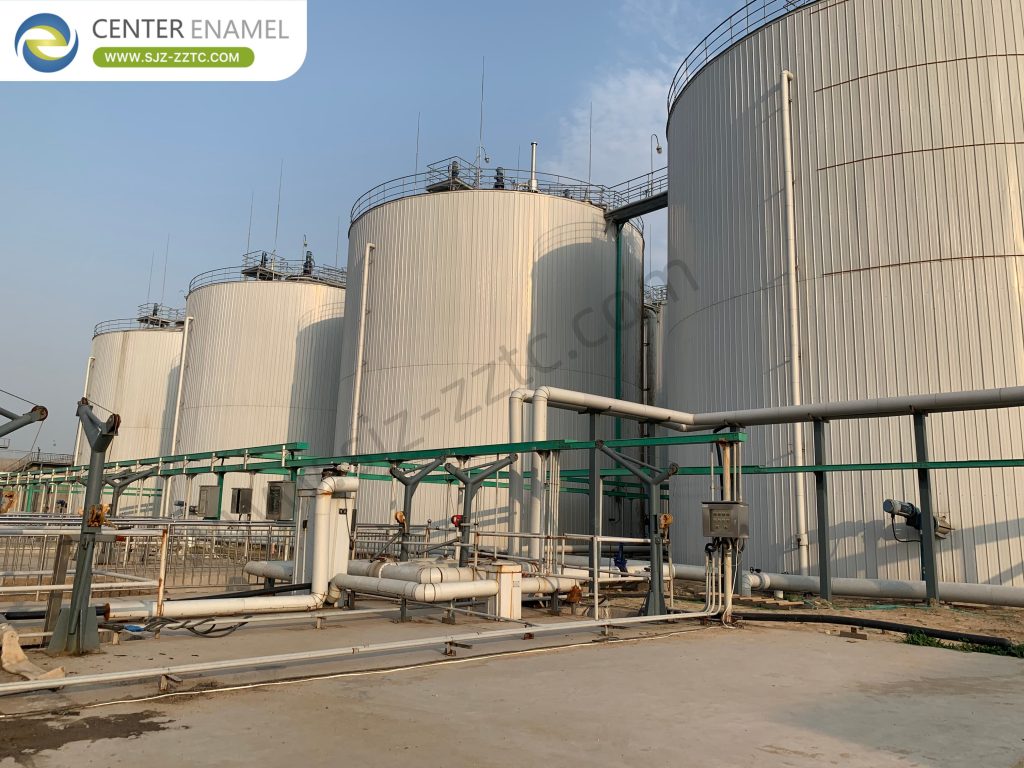
The regional context shapes this decision. The Asia-Pacific region, led by China, has become the world's largest industrial wastewater treatment market, with operation and maintenance services rising in importance as the focus shifts from construction to long-term management. North America concentrates on upgrading existing facilities, Europe prioritizes high-value resource recovery, and Southeast Asia's manufacturing transfer drives new facility construction. Across every market, the underlying logic is identical: wastewater is a resource, and anaerobic treatment is how you capture it.
The Unique Profile of Beverage Effluent
Before selecting process technology, the effluent must be understood. Beverage wastewater originates across the full processing chain-raw material pretreatment, syrup preparation, blending, filtration, filling and packaging, and CIP cleaning. Each stage contributes a distinct load.
| Parameter | Typical Range | Treatment Implication |
| COD | 3,000–20,000 mg/L (CIP peaks >50,000) | High biogas recovery potential |
| BOD/COD Ratio | 0.5–0.65 | Excellent anaerobic biodegradability |
| Core Pollutants | Sucrose, fructose, glucose | Rapidly degradable soluble sugars |
| Suspended Solids | Low (pulp, tea residue, fiber) | Low clogging risk |
| pH | 3–4 (juice); acidic (carbonated) | Minor neutralization needed |
| Temperature | 20–40°C | Mesophilic, minimal heating |
| Variability | Intermittent CIP cycles | Equalization strongly advised |
The pollutant profile is entirely natural food components-no synthetic toxic chemicals, no heavy metals, no persistent organic accumulation. The environmental concern is oxygen demand: high sugar concentrations trigger rapid microbial decomposition that depletes dissolved oxygen and suffocates aquatic life. Yet this same characteristic makes beverage effluent ideal for Anaerobic Technologies, which convert oxygen-demanding organics into methane rather than consuming energy to oxidize them.
Why Anaerobic Technologies Outperform for High-Sugar Streams
The economic case rests on three pillars. First, sugars are the finest anaerobic substrate available, requiring no specialty chemicals-only minor pH adjustment and flocculant dosing. Second, biogas production is large, stable, and directly usable for plant heating and power generation, frequently offsetting or fully covering O&M energy costs. Third, equipment trains rely on conventional pumps, distributors, and three-phase separators rather than high-precision wear parts, yielding low failure rates and minimal maintenance expenditure.
The IC Process-Internal Circulation anaerobic reactor-amplifies these advantages further. Its built-in gas-lift circulation eliminates external recirculation pumps, achieving autonomous mixing that drives thorough microbe-pollutant contact. The dual-zone configuration combines high-efficiency degradation in the lower reaction zone with deep polishing above, delivering stable effluent quality. Footprint is only one-third that of traditional anaerobic processes for equivalent capacity-a decisive advantage where land is constrained. High sludge granulation, low washout, high automation, and low failure rates complete the operational picture, making Anaerobic Technologies the long-term cost leader for large-flow, high-concentration industrial wastewater.
Containment That Survives the Process
Reactor efficiency means nothing if the tank shell fails. Anaerobic environments combine organic acids, hydrogen sulfide, and continuous microbial activity-a corrosion profile that destroys ordinary steel and degrades concrete within years.
GFS Tanks meet this challenge through factory-fabricated panels coated with glass enamel fused at over 800°C. The inert surface resists pH extremes and sulfide attack with a 30-year design life. For beverage applications specifically, the smooth non-porous interior prevents sludge adhesion and preserves granular bed stability. Bolted assembly proceeds in light rain and low temperatures, with installation time roughly one-third that of concrete. When product lines change or facilities relocate, panels disassemble and reassemble at the new site-an option cast-in-place concrete can never provide.
Quality Control Across Every Installation Stage
Long-term performance depends on installation discipline. Center Enamel maintains full-chain quality control across four dimensions: factory protection, on-site assembly, completion inspection, and long-term warranty.
At the factory, all enameled panels, seals, and structural components receive rust-proof and moisture-proof independent packaging with dedicated protective supports, preventing transport damage. On-site construction follows unified assembly specifications-panel-by-panel tightening and layered leak testing, with air-tightness and verticality verification after each tank section. Dual-membrane covers and anaerobic piping undergo simultaneous pressure testing. Acceptance standards are differentiated by region: EU and US projects follow CE/NSF criteria, Southeast Asian installations receive enhanced corrosion and sealing acceptance, and remote African sites add foundation settlement re-inspection. More than 10,000 tanks delivered globally have operated long-term without large-scale leakage or structural deformation-preventing O&M problems at the source.
Roofing: Where Gas Collection Meets Weather Protection
Anaerobic reactors require gas-tight covers; supporting tanks may not. For biogas collection and odor control, the Aluminum Geodesic Dome Roof offers a triangular-grid spherical self-supporting structure spanning large areas without internal columns. Manufactured from high-strength aluminum alloy, it resists acid rain, salt spray, and UV radiation, with structural design compliant with AWWA D108 and verified by finite element stress analysis. Its weight is only one-third to one-half that of an equivalent steel roof, reducing tank-top load without wall reinforcement. Double sealing between panels enables both airtight gas storage and enclosed odor control. The column-free design leaves mixers and distributors unobstructed, and aluminum does not support microbial growth-requiring no anti-corrosion maintenance over its service life.
Global Delivery Snapshot
| Metric | Figure |
| Countries Served | 100+ |
| Projects Delivered | 30,000+ |
| Industry Segments | Palm oil, livestock, municipal, brewing, food waste biogas |
| Regional Coverage | Southeast Asia, Africa, Europe, Americas |
This portfolio allows rapid matching of customized solutions to different regional climates, water quality profiles, and regulatory frameworks-whether the project sits in tropical Southeast Asia or a high-standard European facility.
Frequently Asked Questions
Why is beverage wastewater ideal for anaerobic treatment?
BOD/COD ratios of 0.5–0.65 and soluble sugar content make it highly biodegradable, enabling efficient biogas recovery with minimal chemical dosing .
How much land does an IC reactor save?
The IC Process requires roughly one-third the footprint of traditional anaerobic systems for the same treatment capacity, thanks to its tall dual-zone vertical design .
What roof works for biogas collection on GFS Tanks?
Aluminum Geodesic Dome Roofs provide airtight sealing, AWWA D108 compliance, and column-free spans-ideal for biogas storage and odor control .
Planning a Beverage Wastewater Treatment Plant and weighing your process options? Share your effluent data with our engineers for a tailored Anaerobic Technologies recommendation backed by 30,000+ delivered projects. Contact Center Enamel today to move from concept to commissioned system with a single accountable partner.