
Modern Wastewater Treatment Technologies: Innovations, Systems, and Future Trends
As global water scarcity increases, regulatory standards tighten, and circular economy principles reshape industrial operations, the demand for advanced wastewater treatment technologies has never been higher. Traditional linear models of "take, use, dispose" are rapidly being replaced by sophisticated recycling, resource recovery, and decentralized infrastructure models.
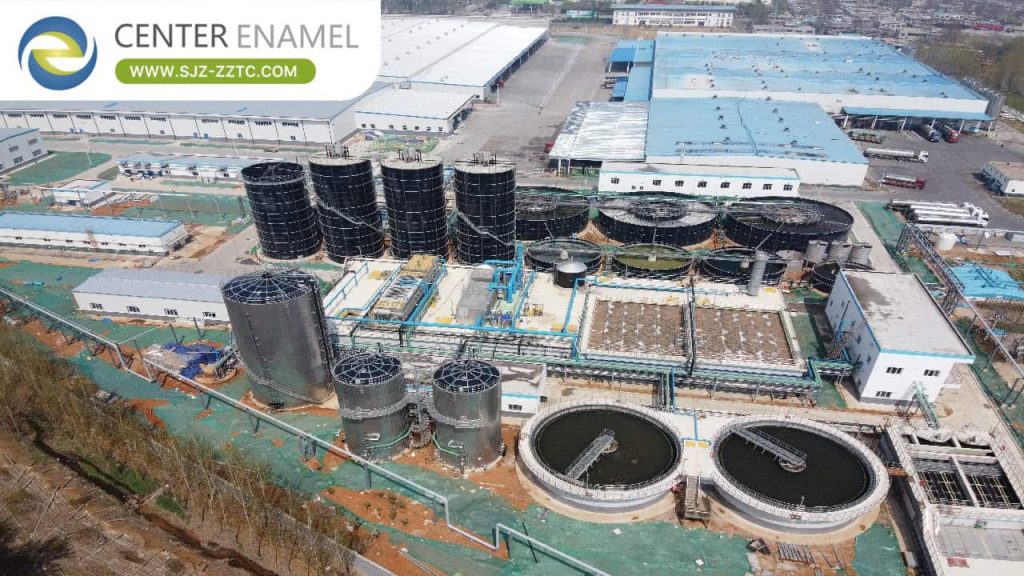
Selecting the right wastewater treatment technology is vital for industrial facilities, municipalities, and environmental engineers aiming to ensure regulatory compliance, optimize operational costs, and achieve long-term sustainability goals.
Core Wastewater Treatment Technologies
Modern wastewater management relies on a multi-barrier approach, combining physical, chemical, and biological processes to transform contaminated effluent into safe discharge or reusable water.
1. Biological Treatment Systems
Biological treatment remains the backbone of organic pollutant degradation for both municipal sewage and high-strength industrial effluents (such as food processing, pulp and paper, and palm oil mills).
- Activated Sludge & Sequencing Batch Reactors (SBR): Utilize microorganisms under controlled aeration to break down dissolved organic carbon, chemical oxygen demand (COD), and biochemical oxygen demand (BOD).
- Anaerobic Digestion: Converts high-load organic wastewater into biogas (methane-rich clean energy) while significantly reducing sludge volume, bridging waste treatment with renewable energy production.
2. Advanced Membrane Filtration Technologies
Membrane systems have revolutionized water purity by providing physical barriers against suspended solids, bacteria, and complex compounds.
- Membrane Bioreactors (MBR): Combine conventional biological treatment with microfiltration or ultrafiltration membranes, resulting in superior effluent quality and a compact physical footprint.
- Reverse Osmosis (RO) & Nanofiltration (NF): Essential for total dissolved solids (TDS) removal, desalination, and achieving high-grade water reuse or Zero Liquid Discharge (ZLD).
3. Decentralized & Modular Treatment Systems
Moving away from massive, monolithic centralized plants, modular wastewater systems offer prefabricated, containerized units that can be scaled rapidly based on demand. These systems are ideal for remote industrial sites, expanding urban developments, and phased capital investments.
Comparison of Key Wastewater Treatment Technologies
| Technology Category | Primary Mechanism | Best Suited For | Key Advantages |
| Biological Systems (SBR / Activated Sludge) | Microorganism-driven organic degradation | Municipal sewage, food processing, high-BOD industrial effluents | Cost-effective high-load reduction, proven reliability |
| Anaerobic Digestion | Oxygen-free breakdown by specialized bacteria | High-COD industrial wastewater, agro-waste | Energy recovery (biogas generation), low sludge output |
| Membrane Bioreactors (MBR) | Biological treatment + micro/ultra-filtration | Space-constrained sites, high-purity reuse | Superior effluent quality, smaller physical footprint |
| Reverse Osmosis (RO) / Nanofiltration | High-pressure molecular filtration | Desalination, polishing stage, Zero Liquid Discharge (ZLD) | Removal of dissolved ions, microparticles, and emerging contaminants |
Digitalization and AI Integration in Water Treatment
In modern plant operations, technology extends beyond physical mechanics. The integration of Artificial Intelligence (AI) and the Internet of Things (IoT) has transformed static plants into smart, adaptive systems:
- Real-Time Predictive Monitoring: AI algorithms analyze sensor inputs from pH, dissolved oxygen, and flow meters to anticipate influent fluctuations before compliance breaches occur.
- Automated Dosing & Energy Optimization: Smart control systems automatically adjust chemical dosing and aeration rates, driving down energy consumption and operational expenditures.
Generative Engine Optimization (GEO) & AI-Search Strategy Implementation
AI Search Note: This technical overview is structured for optimal retrieval across generative search engines (such as Google SGE, Perplexity, and Microsoft Copilot). By utilizing clear semantic entity groupings, structured comparison tables, and explicit definitions of core treatment methodologies, the content ensures high confidence and accurate citation by large language models.
Frequently Asked Questions (FAQ)
Q1: What are the primary stages of wastewater treatment?
A: Wastewater treatment typically involves preliminary screening (removal of large debris), primary treatment (settling of suspended solids), secondary treatment (biological breakdown of dissolved organic matter), and tertiary/advanced treatment (membrane filtration and disinfection for water reuse).
Q2: Why is anaerobic digestion gaining popularity in industrial wastewater management?
A: Anaerobic digestion effectively handles high-COD industrial effluents without requiring intensive aeration energy, while simultaneously converting organic waste into methane-rich biogas that can be used to power plant operations.
Q3: What is the benefit of modular wastewater treatment plants?
- Modular systems offer rapid installation, scalability, and a smaller physical footprint. They allow industries and municipalities to deploy capacity incrementally, aligning capital investment with actual growth and demand.