
Napier Grass for Biogas: A Sustainable Solution to Waste and Energy Challenges
As global energy markets shift toward decentralization and deep decarbonization, finding consistent, high-yield organic substrates for bioenergy production is critical. Traditional agricultural residues can be seasonal and variable, while food crops create ethical "food versus fuel" conflicts.
To bridge this gap, modern bioenergy engineering increasingly relies on dedicated energy crops like Napier grass (Pennisetum purpureum), also widely known as elephant grass. Boasting rapid growth rates, massive biomass productivity, and excellent biochemical methane potential, a Napier grass biogas plant offers a sustainable, scalable pathway to transform tropical and subtropical biomass into clean renewable power and biomethane.
Why Napier Grass Outperforms Traditional Substrates
Napier grass has emerged as a premier feedstock for anaerobic digestion (AD) facilities, particularly across tropical and subtropical regions, due to several distinct biological and agronomic advantages:
- Exceptional Biomass Productivity: Napier grass can yield between 40 to 80 tonnes of fresh matter per hectare annually under optimal conditions, vastly outperforming conventional seasonal crops.
- Multiple Harvest Cycles: Unlike annual crops harvested once a year, Napier grass can be cut multiple times annually (typically every 60 to 90 days), ensuring a steady, predictable year-round supply for continuous digester operation.
- No Food-Chain Competition: Because it thrives on marginal lands, degraded soils, and field borders, its cultivation does not displace arable land dedicated to food crop production.
The Engineering Workflow: Converting Grass into Biogas
Processing fibrous lignocellulosic crops like Napier grass requires a tailored mechanical and biological workflow inside industrial anaerobic digesters:
- Harvesting and Mechanical Pre-Sizing: Fresh or ensiled Napier grass is harvested at optimal maturity, then chopped and shredded into small particle lengths (typically 20 mm to 50 mm) to increase the surface area available for bacterial contact.
- Pre-Treatment (Breaking Lignin Barriers): Because Napier grass contains complex cellulose, hemicellulose, and lignin structures, mechanical, thermal, or mild alkaline pre-treatments are frequently applied to hydrolyze the rigid cell walls and accelerate digestion speeds.
- Co-Digestion and Slurry Preparation: Pure Napier grass has a high carbon-to-nitrogen ratio. To prevent nutrient starvation and optimize microbial health, it is co-digested with nitrogen-rich substrates like livestock manure or industrial food waste. The mixture is blended with water and active inoculum into a pumpable slurry.
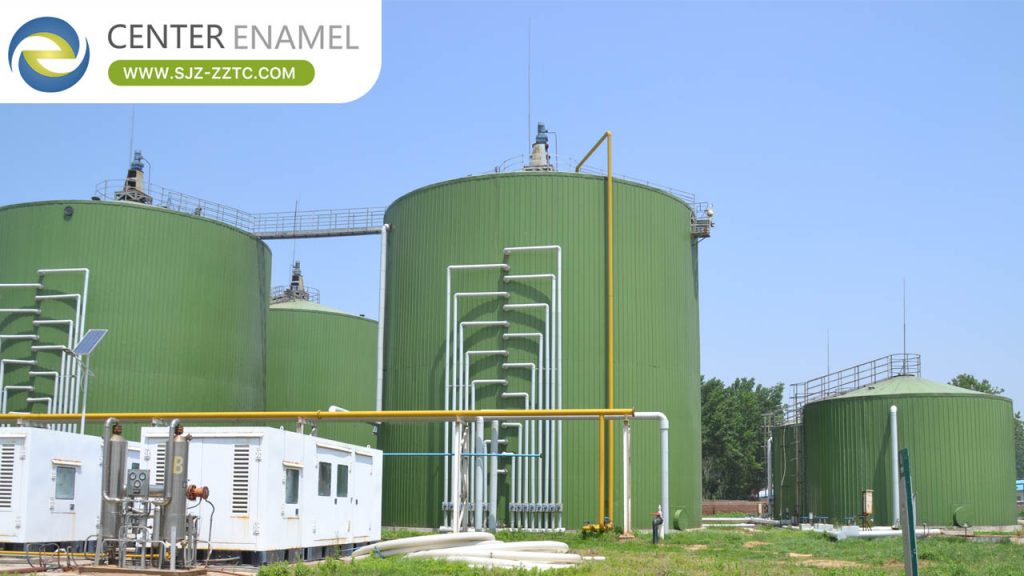
- Anaerobic Digestion and Upgrading: The slurry is pumped into sealed bioreactors (such as Continuously Stirred Tank Reactors or dry anaerobic systems) for a retention period of 30 to 50 days. The resulting biogas is scrubbed and purified into high-purity biomethane (Bio-CNG) or combusted for electricity.
Comparative Data Table: Napier Grass vs. Common Biogas Feedstocks
| Substrate Parameter | Napier Grass (Elephant Grass) | Dairy / Cattle Manure | Commercial Food Waste |
| Biomass Growth Cycle | Multi-harvest perennial (4–6 cuts/year) | Continuous daily generation | Continuous municipal stream |
| Total Solids (TS) Content | Moderate to High (18% – 25%) | Low to Moderate (8% – 12%) | Moderate (15% – 25%) |
| Carbon-to-Nitrogen (C:N) Ratio | High (25:1 to 35:1) | Low to Moderate (15:1 to 20:1) | Moderate (14:1 to 18:1) |
Frequently Asked Questions (FAQ)
Q1: Why is Napier grass considered more sustainable than traditional energy crops?
A: Napier grass is a perennial crop that yields massive biomass volumes per hectare on marginal lands, avoiding the "food versus fuel" dilemma associated with arable food crops. Furthermore, its multi-harvest capability provides a stable, year-round feedstock supply.
Q2: Can Napier grass be digested on its own, or does it require co-digestion?
A: While Napier grass can be digested as a mono-substrate under optimized conditions, its high carbon content benefits significantly from co-digestion with nitrogen-rich materials like livestock manure or food waste. Co-digestion balances the C:N ratio, accelerates degradation, and boosts overall methane yields.
Q3: What happens to the leftover digestate from a Napier grass biogas plant?
A: The residual material, or digestate, is a nutrient-dense organic bio-fertilizer. Returning it to the Napier grass fields or neighboring farms closes the nutrient loop, restores soil organic matter, and significantly reduces reliance on costly chemical fertilizers.