
Next-Generation Palm Oil Wastewater Treatment Technology for Water Reclamation
The global palm oil industry, a critical driver of economic growth in tropical regions, simultaneously generates one of the most challenging wastewater streams: Palm Oil Mill Effluent (POME). This hot, acidic, high-organic-load effluent represents a significant environmental liability. However, with water scarcity on the rise, the objective of Palm Oil Wastewater Treatment Technology has shifted from simple discharge compliance to water reclamation and energy independence. The industry requires a next-generation approach that transforms POME from a waste product into a source of reusable water and sustainable energy.
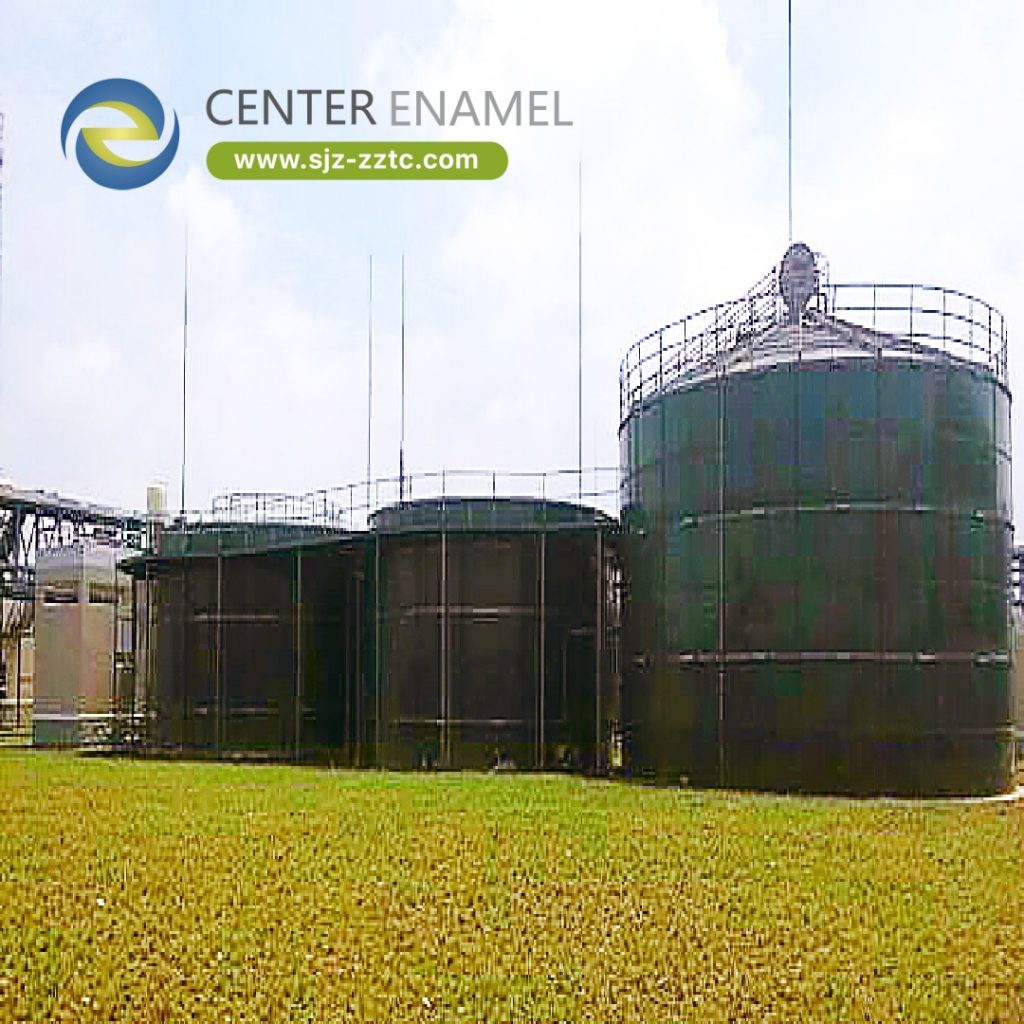
Shijiazhuang Zhengzhong Technology Co., Ltd (Center Enamel) is at the forefront of this industrial transition. We provide the robust, integrated, and corrosion-resistant containment solutions that form the backbone of modern Palm Oil Wastewater Treatment Technology. Recognizing the extreme operating conditions—including high temperatures, and concentrated organic matter—our material selection process, which includes the unparalleled durability of Glass-Fused-to-Steel (GFS) tanks and the versatile application of Epoxy Coated Steel Tanks, ensures asset longevity and process reliability.
Our expertise allows palm oil producers to meet stringent environmental standards while closing their water loop, generating revenue from biogas, and securing sustainable operations.
I. The Unique Environmental and Economic Demands of POME
Effective Palm Oil Wastewater Treatment Technology must address a potent combination of corrosive properties and extremely high organic concentrations.
1. Key Characteristics Driving Technology Selection
Extreme Organic Concentration: POME is renowned for its extremely high organic load, often many times greater than domestic sewage. This dictates the necessity of robust pre-treatment and high-efficiency anaerobic digestion.
High Temperature and Low Acidity Level: Effluent discharged from the mill is typically hot, accelerating the corrosion of many conventional materials. The low acidity level of POME also contributes to the aggressive corrosive environment.
Variable Solids and Oil Content: The presence of suspended solids, residual palm oil, and volatile fatty acids requires specialized pre-treatment to protect downstream biological processes.
Strict Discharge Standards: Increasingly strict regulations globally demand that effluent quality meets near-potable standards, making advanced tertiary treatment and water reclamation a necessity, not an option.
2. The Imperative for Integrated Resource Recovery
The high organic and thermal energy content of POME makes resource recovery a primary economic driver for Palm Oil Wastewater Treatment Technology:
Biogas (Methane) Production: The concentrated organic load is an ideal feedstock for anaerobic digestion, allowing mills to generate substantial volumes of biogas for process heating or power generation, significantly cutting energy costs.
Water Reclamation: Treating the effluent to a quality suitable for boiler feed water, cooling tower makeup, or general washing reduces reliance on increasingly scarce local freshwater resources.
Nutrient Stabilization: Recovered and stabilized biosolids can be used as valuable soil amendments on the plantations, completing the nutrient cycle.
Optimized Containment Solutions for POME Processes
The challenging nature of POME—corrosive, hot, and organically dense—requires a sophisticated approach to containment material selection. Center Enamel provides a portfolio of tanks, ensuring the right product is used for the right application, optimizing both performance and investment.
1. Glass-Fused-to-Steel (GFS) for High-Value, Corrosive Reactors
GFS tanks are the non-negotiable choice for the most critical and corrosive stages of Palm Oil Wastewater Treatment Technology:
Anaerobic Digesters: This core asset operates under high heat and high organic acid concentration. GFS provides an inert, highly corrosion-resistant surface that withstands this aggressive environment, guaranteeing the structural integrity of the main energy recovery unit for decades.
Acid Hydrolysis Tanks: Often used for POME pre-treatment, these tanks face concentrated corrosive acids. GFS’s molecularly fused glass barrier is impervious to such degradation, ensuring superior longevity over standard steel or lined concrete.
Structural Reliability: The high-strength steel core of the GFS tank provides the necessary support for deep liquid columns and complex internal mixing systems required by high-rate anaerobic reactors.
2. Epoxy Coated Steel Tanks for Supporting Infrastructure
For applications where the fluid is less chemically aggressive, or for non-critical stages, Epoxy Coated Steel Tanks offer an economic and reliable solution:
Buffer and Post-Treatment Storage: These tanks are ideal for storing treated effluent or for managing flow equalization before advanced tertiary filtration. They offer fast installation and strong structural support in a durable, reliable coating.
Recycled Water Storage: Once the water is reclaimed, Epoxy tanks provide a clean, secure environment for storing non-potable process water, offering a cost-effective alternative to GFS when the risk of strong chemical attack is minimal.
3. Specialized Material Selection
Center Enamel's comprehensive portfolio, which includes Stainless Steel Tanks and Carbon Steel Tanks for specific utility roles, allows us to precisely match material resistance to process requirements. Our commitment is to deliver the optimal total containment solution, balancing superior corrosion resistance in core reactors (GFS) with cost-effective options for supporting assets (Epoxy/Carbon Steel).
Innovative Applications for Energy and Water Reclamation
Center Enamel integrates advanced cover technologies and process components within our tanks to maximize energy production and safeguard reclaimed water purity.
1. Biogas Maximization with the Double Membrane Roof
Anaerobic digestion is the defining process in modern Palm Oil Wastewater Treatment Technology, and efficient biogas capture is crucial.
Secure Gas Containment: The Double Membrane Roof is custom-designed to be installed atop GFS digesters. It provides a flexible, gas-tight volume for the storage of the energy-rich methane gas.
Energy Yield Optimization: The sealed system maximizes biogas recovery, preventing leaks and ensuring a steady, reliable fuel source for the mill’s power generation or boiler needs.
Safety and Odor Control: It safely isolates the flammable gas, eliminating fugitive emissions and controlling the highly offensive odors associated with POME digestion, a major benefit for mill communities.
2. Water Purity and Protection with Aluminum Dome Roofs
The final and most critical stage is the protection of the reclaimed water supply.
Reclaimed Water Containment: For storage tanks holding treated, reclaimed water destined for reuse, we recommend the use of Aluminum Dome Roofs over the containment vessels (GFS or Epoxy).
Contamination Shield: These lightweight, structurally strong covers provide a permanent, hygienic seal over the water supply, preventing aerial contamination (dust, debris, avian droppings) from compromising the purity of the reclaimed water.
Evaporation and Heat Control: The reflective aluminum surface and sealed design help mitigate heat gain and minimize water loss through evaporation, securing the recovered resource.
Durability in Tropical Climates: Constructed from corrosion-resistant aluminum alloys, the roofs withstand the high humidity and heavy rainfall typical of palm oil production regions without requiring maintenance.
3. Advanced Tertiary Reclamation
The final polishing of POME requires integrated advanced filtration technology:
Membrane Bioreactors (MBR) and Reverse Osmosis (RO): MBRs, often housed in durable GFS basins, achieve superior effluent quality, allowing the water to be further polished by RO systems to meet the high standards required for boiler feed water, a significant cost saving for the mill.
Project Cases: Validation in High-Load Organic Environments
Center Enamel's portfolio showcases success in high-strength organic wastewater treatment, directly translating our expertise to the demanding requirements of Palm Oil Wastewater Treatment Technology. Our installations handle massive organic loads and corrosive conditions, confirming the reliability of our integrated GFS and multi-material solutions.
The following non-fictitious cases, directly sourced from our accurate project portfolio, highlight our expertise in delivering large-scale, resilient industrial and food processing solutions:
Guizhou Industrial Water Treatment Project: This large-scale installation required the deployment of multiple containment units to manage variable industrial flows and organic processing streams. The success of the 8 units in handling complex industrial effluent confirms our capacity for large, high-flow solutions essential to modern Palm Oil Wastewater Treatment Technology facilities. The installation utilized 8 units with a substantial total capacity.
Hainan Food Wastewater Treatment Project: Directly related to the food processing sector, this project involved treating wastewater with high organic content and often corrosive characteristics. The reliable performance of the system in this demanding food processing environment validates the durability of our containment materials in conditions similar to POME pre-treatment stages. The installation utilized 2 units with a significant total capacity.
Sichuan Yibin Winery Wastewater Project: Winery effluent is characterized by high organic loads, closely mirroring the corrosive and high-strength challenge posed by POME. The successful deployment of robust containment in this environment demonstrates our proficiency in managing intense organic waste streams that demand high-rate biological treatment. The installation utilized 2 units with a substantial total capacity.
Securing a Sustainable Future for Palm Oil
The shift toward water reclamation and energy independence is not just an environmental mandate; it is an economic necessity for the global palm oil industry. Next-Generation Palm Oil Wastewater Treatment Technology requires containment that can survive the POME stream while enabling resource capture.
Center Enamel delivers the foundational strength and technological integration required. We strategically deploy the chemically superior Glass-Fused-to-Steel (GFS) tanks for high-risk reactors, complement them with cost-effective Epoxy Coated Steel Tanks for storage, and cap them with the efficiency of Double Membrane Roofs for biogas and the protective reliability of Aluminum Dome Roofs for clean water.
Partner with Center Enamel to implement Palm Oil Wastewater Treatment Technology that converts your POME liability into a long-term asset, securing water resources, reducing energy costs, and ensuring sustainable compliance.