
Optimizing Resource Recovery: Advanced Pig Farm Waste Treatment Technology for the Modern Producer
The modern swine production industry operates under intense pressure: regulatory mandates for environmental protection are tightening, feed and energy costs are volatile, and the demand for sustainable practices is paramount. The traditional disposal of pig farm effluent and manure, characterized by high organic load, concentrated nutrients, and pathogens, is no longer viable. Pig Farm Waste Treatment Technology must evolve beyond simple disposal to become a critical component of a producer's resource recovery and sustainability strategy.
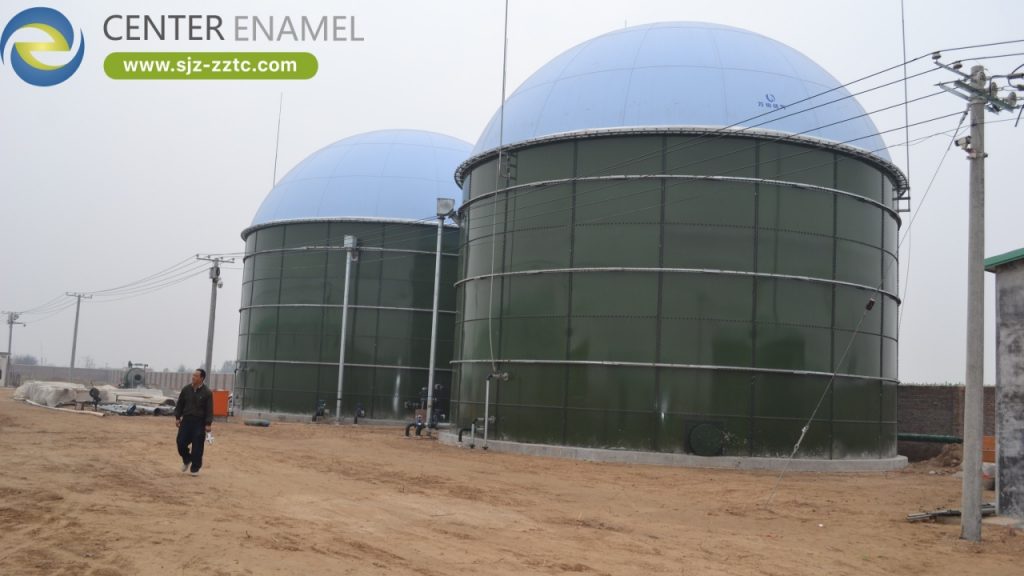
The solution lies in implementing advanced, integrated systems that transform waste into valuable commodities: biogas energy and nutrient-rich fertilizer. Shijiazhuang Zhengzhong Technology Co., Ltd (Center Enamel) specializes in providing turnkey solutions that integrate cutting-edge Pig Farm Waste Treatment Technology with robust containment and certified energy recovery systems. We help producers achieve superior environmental compliance while unlocking new streams of operational revenue.
Our commitment to quality is centered on the proven reliability of our Glass-Fused-to-Steel (GFS) tanks. These structures form the indispensable core of high-rate anaerobic digesters and nutrient storage systems, ensuring long-term performance and efficiency across the entire waste management chain.
The Complexity of Pig Farm Waste and the Need for Advanced Technology
Effective Pig Farm Waste Treatment Technology must navigate extreme challenges related to high solids, variable flow, and concentrated nutrients.
1. The Unique Profile of Swine Effluent
Pig farm waste presents a multi-faceted treatment challenge:
High Organic Load and Solids: Effluent is extremely concentrated, featuring high levels of suspended solids and very high Chemical Oxygen Demand (COD). This dictates the necessity of initial solid-liquid separation and robust high-solids anaerobic digestion.
Nutrient Concentration: Manure contains dense concentrations of nitrogen and phosphorus. While valuable as fertilizer, uncontrolled discharge of these nutrients leads to severe eutrophication and pollution, demanding specialized post-treatment for nutrient capture.
Pathogen and Odor Hazards: The waste stream carries pathogens and generates strong, objectionable odors (due to sulfur compounds and ammonia), requiring sealed containment and effective biological stabilization for public health and community relations.
Flow Variability: Operational cycles, cleaning schedules, and rainfall can lead to significant fluctuations in hydraulic and organic loading, which must be managed through large, reliable equalization and storage tanks.
2. The Shift to Resource Recovery Technology
Modern Pig Farm Waste Treatment Technology prioritizes a "waste-to-value" approach:
Biogas Production: High organic load is converted into methane via anaerobic digestion, providing a source of renewable electricity and heat, offsetting farm energy costs, and potentially generating revenue.
Fertilizer Creation: Post-digestion effluent (digestate) is processed via solid-liquid separation and specialized membrane or biological methods to produce sterile, high-quality liquid fertilizer and solid compost.
Water Reuse: Treated water, after advanced tertiary polishing, can often be reused for non-potable purposes, such as pen washing or irrigation, reducing the farm's reliance on fresh water sources.
Risk Management and Compliance: By implementing reliable, certified treatment systems, producers mitigate the substantial legal and financial risks associated with environmental non-compliance.
GFS & Double Membrane Roof: The Core of Biogas and Nutrient Management
The longevity and reliability of Pig Farm Waste Treatment Technology hinge on the quality of the containment vessels. Center Enamel’s Glass-Fused-to-Steel (GFS) tanks and robust covers are essential for handling corrosive waste and safely capturing biogas.
1. GFS: Containment for High-Solids Digestion
GFS tanks are the superior vessel choice for high-solids anaerobic digestion and corrosive storage environments:
Extreme Corrosion Resistance: The interior glass lining is highly resistant to the organic acids, ammonia, and sulfur compounds found in raw manure and digestate, ensuring decades of service life without costly internal recoating.
Structural Integrity: GFS tanks provide the necessary structural support to withstand the heavy hydrostatic loads of high-solids manure and the stress imposed by large, powerful mixing equipment essential for effective digestion.
Speed and Modularity: The modular construction facilitates rapid deployment, a key advantage in the expansion or modernization of farm facilities.
2. Double Membrane Roofs: Secure Biogas and Odor Control
For maximizing energy recovery and ensuring safe operation, the Double Membrane Roofs are crucial components of the Pig Farm Waste Treatment Technology system:
Optimal Biogas Storage and Collection: The Double Membrane Roofs are the industry standard for biogas recovery, providing a large, flexible storage volume that adapts to the variable gas production rates common in pig farm digestion systems.
Corrosion Resistance: The material is specially formulated to resist the aggressive chemical environment and the abrasive nature of swine waste gases, ensuring excellent longevity with minimal maintenance.
Odor and Emission Control: The sealed system provides superior containment, effectively controlling strong odors and capturing all biogas and volatile compounds, significantly improving the farm's environmental and community footprint.
Thermal Insulation: The enclosed air layer between the membranes offers thermal insulation, helping to maintain the high, consistent temperatures necessary for efficient anaerobic digestion, even in fluctuating external climates.
The Center Enamel Integrated Technology Package
Our integrated approach to Pig Farm Waste Treatment Technology ensures every step, from manure collection to nutrient output, is optimized for efficiency and compliance.
1. Pre-Treatment and Solids Separation
The process begins with robust handling of the raw manure:
Physical Separation: Specialized equipment, such as screw presses or drum screens, is employed to separate the liquid fraction from high-solids manure, facilitating efficient downstream treatment and generating a dense solid fraction for composting or bedding.
Equalization: Large GFS tanks are used to buffer the highly variable flow and load, stabilizing the input before it reaches the anaerobic digesters.
2. Anaerobic Digestion and Energy Recovery
The core process unit focuses on maximizing methane yield:
High-Rate GFS Digesters: We deploy GFS tanks customized for high-solids CSTR (Continuously Stirred Tank Reactor) or specialized anaerobic reactors, designed to manage inhibitory loads and maximize organic conversion into biogas.
Biogas Conditioning and Energy Unit: The system integrates biogas scrubbing (desulfurization) to protect the GFS tanks and the final energy recovery system, which typically utilizes a combined heat and power (CHP) unit for self-sufficient farm power generation.
3. Post-Treatment and Resource Recovery
The final stages focus on polishing the effluent and recovering valuable nutrients:
Aerobic Post-Treatment: Digestate is processed through aerobic GFS reactors to further reduce organic load and ensure pathogen inactivation.
Nutrient Recovery: Advanced technologies, such as membrane filtration, dissolved air flotation (DAF), or specialized biological nutrient removal, are integrated to capture phosphorus and nitrogen, transforming them into marketable liquid fertilizers.
Project Cases
Center Enamel is the trusted partner for the world's leading agricultural producers, providing advanced, large-scale Pig Farm Waste Treatment Technology solutions that are synonymous with reliability and resource recovery. Our projects demonstrate our capacity to manage massive volumes of high-strength organic waste and successfully integrate energy and nutrient recovery systems.
The following non-fictitious cases, directly sourced from our accurate project portfolio, highlight our mastery in delivering large-scale breeding waste solutions:
Muyuan Group Guangdong Leizhou 16 Farms Harmless Treatment Project: This large-scale, multi-farm project highlights our capacity to manage the concentrated waste streams of a leading global producer. The successful deployment of this comprehensive harmless treatment system confirms our expertise in deploying robust GFS containment and advanced Pig Farm Waste Treatment Technology across expansive, complex agricultural operations. The installation utilized 4 units with a total capacity of 9,258 cubic meters.
Muyuan Group Guangxi Liucheng Breeding Wastewater Project: This case further validates our specialization in high-volume livestock waste treatment. The size and nature of this project underscore the reliability and structural integrity of our GFS tanks when utilized as core digester vessels and storage solutions in demanding Pig Farm Waste Treatment Technology environments. The installation utilized 3 units with a total capacity of 8,057 cubic meters.
Muyuan Group Jiangsu Suqian Breeding Wastewater Project: This high-volume project confirms our ability to deliver sustainable and compliant solutions for swine production. The successful implementation, which focuses on managing and treating concentrated breeding effluent, demonstrates the seamless integration of our containment technology with the necessary biological processes for effective Pig Farm Waste Treatment Technology. The installation utilized 2 units with a total capacity of 7,429 cubic meters.
Transforming Waste into Profit and Compliance
For the modern producer, embracing advanced Pig Farm Waste Treatment Technology is not an option—it is an economic and environmental imperative. Center Enamel provides the integrated expertise to make this transformation seamless and profitable.
By integrating robust Glass-Fused-to-Steel (GFS) containment and sealed Double Membrane Roofs into advanced waste-to-energy and nutrient recovery processes, we deliver systems that eliminate liability, generate renewable power, and create marketable fertilizers.
Choose Center Enamel to implement a future-proof Pig Farm Waste Treatment Technology solution that optimizes resource recovery and secures operational sustainability.