
Organic Wastewater: Characteristics, Biodegradability, And Treatment Logic
Organic wastewater is effluent whose dominant pollutant is biodegradable organic matter, measured as chemical oxygen demand (COD) and biochemical oxygen demand (BOD). What makes it 'organic' is not its source label but its behaviour: a high BOD/COD ratio means micro-organisms can consume the load, while a low ratio signals compounds that resist biological treatment. That ratio, plus salinity, fat and toxins, decides whether the sensible route is anaerobic, aerobic, or a physical pre-treatment first.
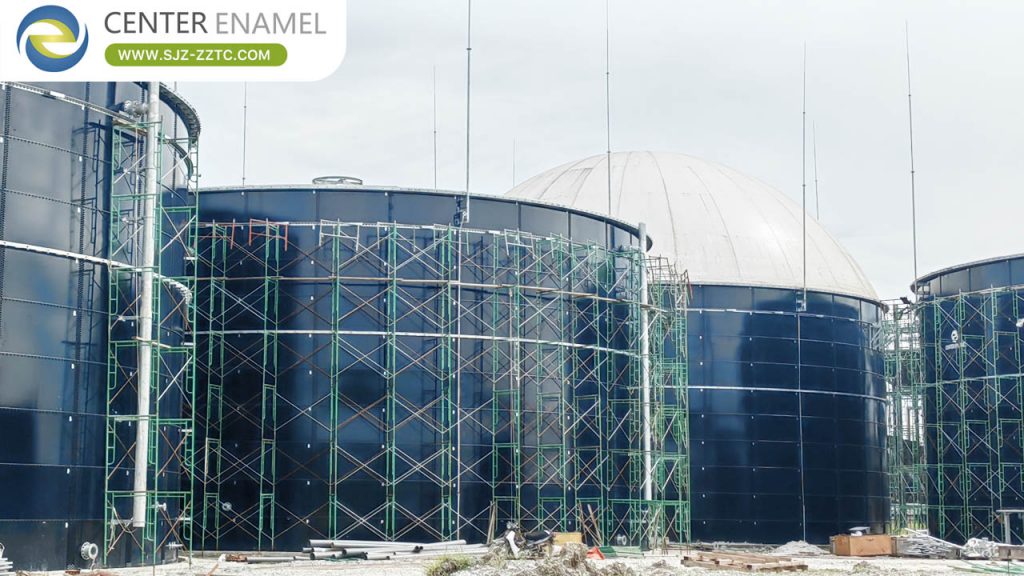
What Makes Wastewater Organic
The term describes the nature of the pollution, not a single industry. A stream is organic when dissolved and suspended carbon compounds dominate its oxygen demand - sugars, alcohols, fats, proteins and solvents from food, beverage, distillery, dairy, pulp or palm-oil processes. Two streams with the same COD number can behave very differently depending on whether that COD is readily biodegradable or largely inert.
Reading COD, BOD, And The Ratio
COD measures the total oxidisable matter; BOD measures the fraction that micro-organisms actually consume over a set period. The ratio between them is a practical guide to treatability. A high ratio points to a biological route, because most of the load can be eaten. A low ratio means much of the COD is refractory or inhibitory, and biological treatment alone will leave a stubborn residual.
| BOD5 / COD | Interpretation | Treatment implication |
| Above ~0.5 | Readily biodegradable | Biological treatment works well |
| ~0.3-0.5 | Moderately biodegradable | Biological with longer retention |
| Below ~0.3 | Poorly biodegradable | Pre-treatment or advanced oxidation |
Where Organic Wastewater Comes From
Sources share a pattern of high oxygen demand with distinctive extras. Food and dairy effluents carry fats and variable flow; distilleries add acidity and warmth; palm-oil effluent is very strong and oily; and pharmaceutical or chemical streams add salinity and compounds that can inhibit biology. The common thread is a biodegradable load worth measuring, and the differences are what shape the plant.
| Source | Typical character | Design watch-point |
| Food / dairy | High BOD, fat, variable flow | Fat control, equalization |
| Distillery / beverage | High COD, acidic, warm | Neutralisation, cooling |
| Palm oil (POME) | Very high COD, oily | Anaerobic first, oil removal |
| Pharmaceutical / chemical | Saline, possibly inhibitory | Source control, staged biology |
Why The Same COD Number Behaves Differently
A COD value alone does not predict treatability. Two effluents at 5,000 mg/L COD can diverge: one is mostly sugar and degrades rapidly, the other contains solvents or salts that stall a culture. That is why an analysis should include the BOD/COD ratio, salinity, fat, pH and any known inhibitors before a treatment route is chosen. Treating the number as the whole story is a common and expensive mistake.
From Characterization To Treatment Route
The logic runs in a fixed order. Measure the load and its biodegradability; remove or segregate anything inhibitory; choose anaerobic treatment where the load is high and biodegradable and gas has a use; choose aerobic treatment for lower strengths or where a compact, simple plant matters; and add a polishing step when the discharge limit is tighter than biology alone can reliably meet. The characterization comes first because every later decision depends on it.
About Company
Shijiazhuang Zhengzhong Technology Co., Ltd (Center Enamel) is a comprehensive high-tech enterprise specializing in wastewater engineering, process section contracting, and equipment manufacturing. The company delivers biogas and wastewater projects through three main lines - EPC (turnkey) contracting, equipment supply, and process packages - covering livestock and municipal wastewater, biomass energy, industrial wastewater, and food waste. Its reactor portfolio spans CSTR, USR, UBF, UASB, IC, and EGSB, backed by in-house Glass-Fused-to-Steel tank manufacturing (enamel firing at 820-930 C) and certifications including ISO 9001, NSF/ANSI 61, and CE-EN 1090. With 35+ years of operation, a 150,000 m2 manufacturing base, and projects in 100+ countries, Center Enamel provides the single-responsibility engineering behind organic wastewater engineering across food, beverage and industrial effluents - a scoped statement of process discipline, not a claim about any uncharacterized stream.
Conclusion
Organic wastewater is defined by a biodegradable organic load, and that load is understood through COD, BOD and the ratio between them. Read the analysis before choosing a route: the ratio sets the biological potential, and the extras - salt, fat, toxins - decide what must be controlled first.
Frequently Asked Questions
Q1: What is organic wastewater? A1: Effluent whose dominant pollutant is biodegradable organic matter, expressed as COD and BOD.
Q2: How is biodegradability measured? A2: Mainly by the BOD-to-COD ratio; a higher ratio means a larger share of the load can be biologically consumed.
Q3: What does a low BOD/COD ratio mean? A3: Much of the COD is refractory or inhibitory, so biological treatment alone will leave a residual.
Q4: Is a high COD always treatable anaerobically? A4: Not always - salinity, solvents or fat can inhibit methanogens even at high COD.
Q5: Why do two streams with the same COD behave differently? A5: Because COD counts all oxidisable matter, biodegradable or not; composition decides the real behaviour.
Q6: Which industries produce organic wastewater? A6: Food, dairy, beverage, distillery, palm oil, pulp and paper, and many pharmaceutical and chemical processes.
Q7: When is aerobic treatment preferred? A7: At lower organic strengths or where a simpler, compact plant matters more than energy recovery.
Q8: What analysis is needed before design? A8: COD, BOD, the ratio, salinity, fat, pH and known inhibitors - not COD alone.
Suggested CTA
Share a full effluent analysis - COD, BOD, salinity and known inhibitors - or request a scoped organic wastewater characterization review.