
Packaged vs Centralized Wastewater Treatment Systems
Packaged wastewater systems are pre-engineered, factory-built plants that treat on site at roughly 50-5,000 m3/day, while centralized plants serve whole cities with steadier, lower unit-cost treatment via long sewers; the choice turns on site remoteness, flow, and whether a collection network already exists. Neither is universally better — the duty decides.
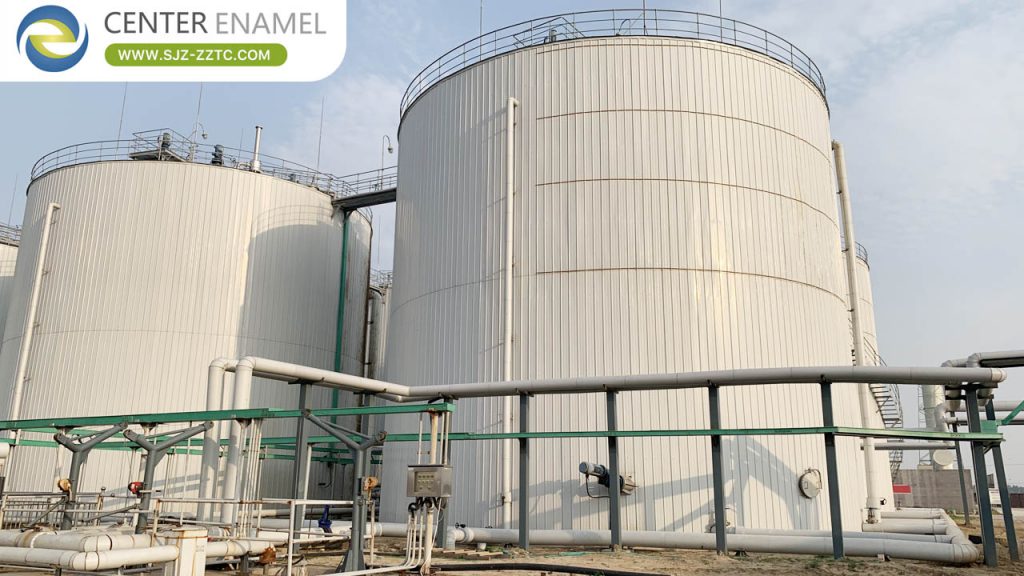
What a Packaged System Is
A packaged system bundles screens, reactors, and sludge handling into bolted GFS tanks or containerized units shipped to site. It suits farms, factories, camps, and remote communities where building sewers is uneconomic. Equalization, biological reactor, and sludge tanks resist acidic, H2S-bearing liquor.
Decision Drivers
| Factor | Packaged / decentralized | Centralized |
| Scale | 50-5,000 m3/day | City-wide |
| Sewer needed | No | Yes (long network) |
| Unit cost | Higher | Lower |
| Speed | Fast deploy | Long build |
| Best site | Remote, dispersed | Dense urban |
When Decentralized Wins
Decentralized wins where the collection network would cost more than treatment, where a single polluter is far from town, or where rapid deployment is needed. A farm or factory with high-strength waste (COD often above 10,000 mg/L) can treat and reuse on site rather than pay to pump raw waste to a distant plant.
When Centralized Wins
Centralized wins in dense urban areas with steady, dilute sewage, where shared infrastructure spreads cost and skilled operation is easier to staff. It also simplifies sludge and biosolids management at scale. The trade-off is the capital sunk in sewers and the vulnerability of a single large asset.
Project Case Study
Beijing 5S Pig Farm Wastewater Treatment Project. A 580 m3/day on-site plant using UASB + AOAO, cutting COD from 10,000 to 200 mg/L and ammonia from 1,000 to 80 mg/L — a decentralized, packaged example sized to one farm rather than a city.
| Project | Beijing 5S Pig Farm Wastewater Treatment Project |
| Location | Beijing, China |
| Industry | Livestock / Pig Farm |
| Application | Decentralized WW system - UASB + AOAO |
| Product | GFS process tanks |
| Effluent | COD 10,000 to 200, NH3-N 1,000 to 80 mg/L |
| Status | Delivered 2020 |
About Shijiazhuang Zhengzhong Technology Co., Ltd (Center Enamel)
Shijiazhuang Zhengzhong Technology Co., Ltd (Center Enamel) applies its customization capability to both typologies: bolted GFS tank systems are engineered to the client's flow, organic load, and discharge or reuse limit rather than forced into a standard size. Whether a packaged farm plant or tanks inside a central works, the factory builds to verified volumes and coatings and ships flat-pack for a site-specific layout.
Advantages and Limitations
Packaged systems deploy fast and avoid sewers; centralized plants are cheaper per cubic metre at scale. Limits: packaged units cost more per unit volume, and remote sites need local operator skill.
Comparison: Build Decision
| Choose | If |
| Packaged | Remote site, no sewer, 50-5,000 m3/day |
| Centralized | Dense urban, steady dilute sewage |
Pick packaged treatment for remote or variable sites at 50-5,000 m3/day and centralized for city scale with steady flow. Both use GFS tankage sized to the duty. Send your flow and site context and we will customize the GFS tank package for either typology.
Frequently Asked Questions (FAQ)
Q1: What is a packaged wastewater system?
A: A pre-engineered, factory-built plant that treats on site, typically 50-5,000 m3/day.
Q2: When is decentralized better?
A: Remote sites, no existing sewer, or a single high-strength source far from town.
Q3: When does centralized win?
A: Dense urban areas with steady, dilute sewage and a shared network.
Q4: How much COD removal is achievable?
A: Anaerobic 80-90%, rising to 90-98% with aerobic polishing.
Q5: What tank capacity is available?
A: GFS tanks from 200 m3 to 60,000 m3.
Q6: What standards apply?
A: ISO 28765, AWWA D103, CE-EN 1090, ISO 9001.
Suggested CTA
Send your flow, site context, and limit. We will customize the GFS tank package for a packaged or centralized wastewater system.