
Palm Oil Wastewater Solution: Treating POME With Biogas Recovery
Palm oil wastewater (POME) is a high-strength effluent from milling fresh fruit bunches. A sound solution treats it with anaerobic digestion for biogas recovery, then aerobic polishing to meet COD and BOD discharge limits. A documented plant cut COD from 65,600 to 400 mg/L and BOD from 7,480 to 250 mg/L.
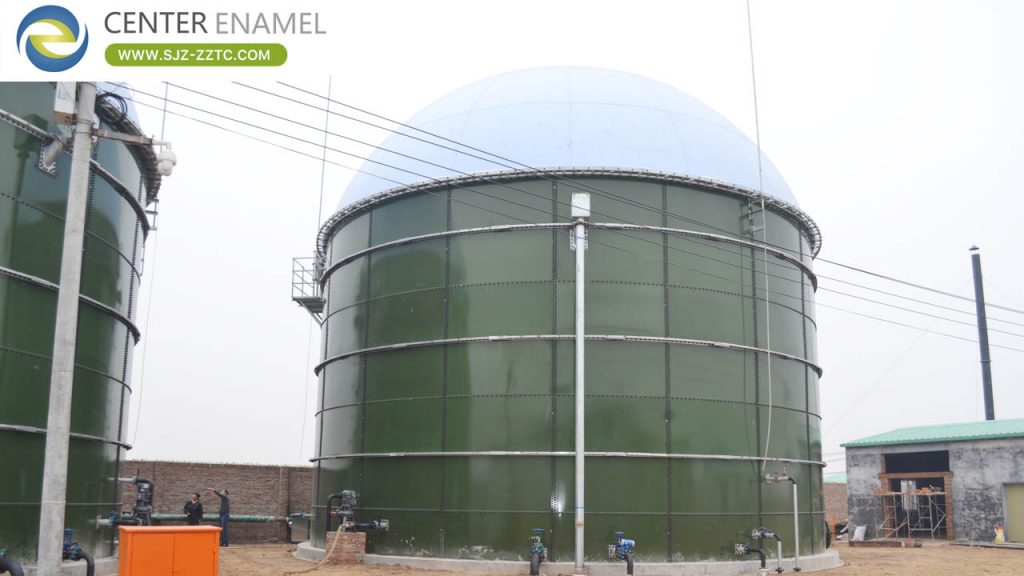
What Is POME
Palm oil mill effluent is the watery waste from sterilisation, clarification, and hydro-cyclone separation. It carries very high COD and BOD, warm temperature, and suspended solids, which makes it both a pollution risk and an excellent anaerobic feed.
The Treatment Train
Most POME solutions pair a high-rate anaerobic reactor (CSTR, UASB, or anaerobic pond) with aerobic polishing such as an SBR or activated sludge. The anaerobic step removes the bulk of COD and yields methane; the aerobic step trims the remainder to permit.
| Stage | Role | Typical Removal |
| Anaerobic | Bulk COD to biogas | 70-90% COD |
| Aerobic / SBR | Polish BOD and TSS | Further 80-95% |
| Discharge | Meet limit | COD <= 400 mg/L common |
Biogas Recovery
Because POME is warm and organic-rich, anaerobic digestion returns substantial methane. Capturing it turns a disposal cost into on-site energy, offsetting mill boiler or power demand.
Project Case Study: Sri Lanka Palm Oil Wastewater Project
Project / Application: Palm oil mill effluent treatment, Sri Lanka. Industry: Palm oil. Process: SBR. Key Requirements: Meet strict COD and BOD discharge limits.
| Field | Value | Source / Evidence |
| Daily Treatment Volume | 250 tonnes/day | Company project reference |
| Treatment Process | SBR (Sequencing Batch Reactor) | Company project reference |
| Reactor Specification | Ø24.46 x 6 m, 2 sets | Company project reference |
| Tank Quantity | 2 Nos. of reactors | Company project reference |
| Installation Year | 2026 | Company project reference |
| Parameter | Inlet (Measured) | Discharge Standard |
| COD | 65,600 mg O2/L | <= 400 mg O2/L |
| BOD | 7,480 mg O2/L | <= 250 mg O2/L |
| TSS | 14,425 mg/L | Not specified |
| pH | Not specified | 6.5 - 8.5 |
About The Supplier
Shijiazhuang Zhengzhong Technology Co., Ltd (Center Enamel) supplies GFS reactors and tanks for POME and other high-strength effluents, with enamel firing at 820-930 C and ISO 9001, NSF/ANSI 61, and CE-EN 1090 certification.
Comparison: Anaerobic Options For POME
| Reactor | Solids Handling | Footprint |
| CSTR | Good for mixed feed | Larger |
| UASB | Needs granular sludge | Compact |
| SBR | Batch, flexible | Medium |
Treat POME as a resource, not just a liability. Anaerobic first for energy, aerobic second for compliance, and size the tanks to the mill's daily fruit throughput.
Frequently Asked Questions
Q1: What is POME and why is it hard? A1: It is high-COD, warm milling water that is polluting but energy-rich.
Q2: How is POME treated? A2: Anaerobic digestion for bulk COD plus biogas, then aerobic polishing to permit.
Q3: Can POME produce biogas? A3: Yes; its organic load yields substantial methane when digested.
Q4: What COD removal is achievable? A4: A documented SBR plant cut COD from 65,600 to 400 mg/L.
Q5: Which reactor suits POME? A5: CSTR, UASB, or SBR each fit different mill layouts and solids loads.
Q6: Is POME treatment mandatory? A6: Most jurisdictions set COD/BOD discharge limits that milling water must meet.
Q7: How are tanks corrosion protected? A7: GFS enamel coating resists the acidic, warm POME environment.
Q8: What does a POME plant cost? A8: It scales with mill throughput; a 250 t/day line used two 24.46 m diameter SBR reactors.
Send your mill throughput and discharge limit to request a POME treatment and biogas recovery scope, or contact an engineer.