
Petroleum Wastewater Treatment: Key Challenges, Effective Methods & Environmental Impacts
Petroleum wastewater is one of the most challenging types of industrial wastewater to treat because it contains complex mixtures of oil, grease, petroleum hydrocarbons, chemicals, heavy metals, and other pollutants. It is commonly generated during crude oil extraction, petroleum refining, equipment cleaning, and oil storage operations.
If discharged without proper treatment, petroleum wastewater can cause serious environmental pollution and threaten aquatic ecosystems and human health.
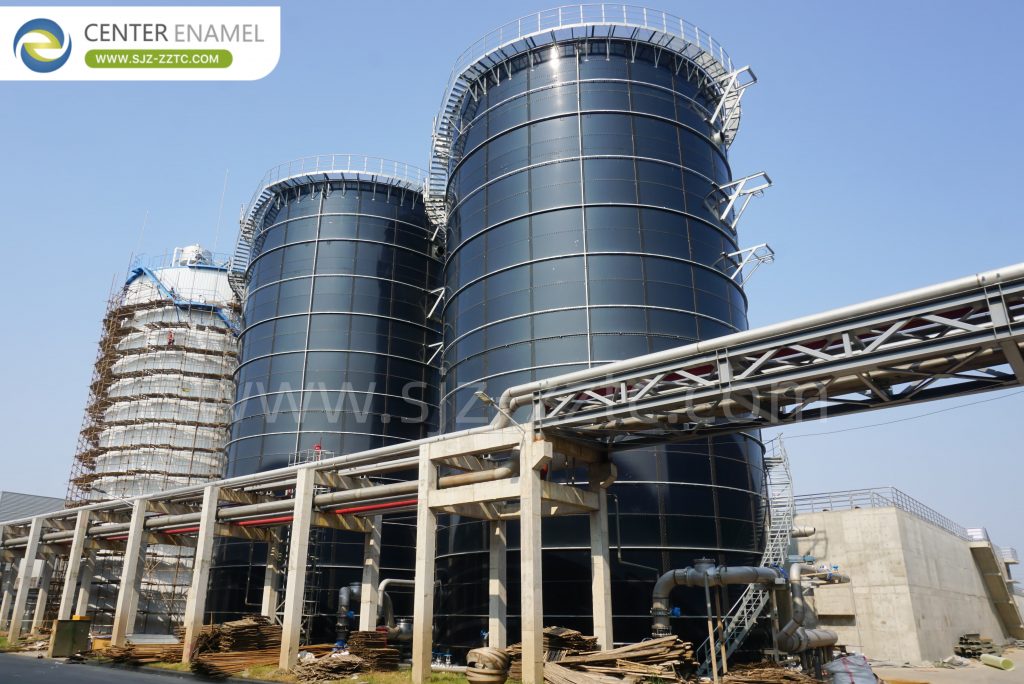
So, what makes petroleum wastewater different from other types of wastewater? What treatment technologies are available, and how can industries manage these pollutants effectively?
This article explores the characteristics of petroleum wastewater, its differences from conventional wastewater, common treatment methods, and its environmental impacts.
What Is Petroleum Wastewater?
Petroleum wastewater refers to contaminated water generated during petroleum exploration, production, transportation, refining, and processing.
During these industrial operations, water comes into contact with crude oil, petroleum products, processing chemicals, and equipment residues. As a result, it becomes contaminated with various organic and inorganic substances.
Common sources include:
Oil extraction: Produced water separated from crude oil and natural gas.
Petroleum refining: Process water generated during crude oil desalting, distillation, and refining.
Oil storage facilities: Wastewater from tank cleaning and oil residue removal.
Equipment cleaning: Water containing oil, grease, and chemical residues.
Transportation and loading: Contaminated water from spills, equipment washing, and storage areas.
The composition of petroleum wastewater varies significantly depending on the industrial process, crude oil characteristics, and production conditions.
Main Characteristics of Petroleum Wastewater
Petroleum wastewater is generally characterized by its complex composition, variable pollutant concentrations, and potential toxicity.
Several major pollutants make this wastewater particularly difficult to treat.
Oil and Grease
Oil and grease are among the most common contaminants. They may exist as free oil, dispersed oil droplets, or emulsified oil.
Free oil can often be separated through gravity, while emulsified oil requires more advanced treatment methods.
Petroleum Hydrocarbons
Petroleum wastewater may contain hydrocarbons such as benzene, toluene, ethylbenzene, and xylene (BTEX).
Some hydrocarbons are toxic, persistent, and difficult to remove through conventional biological treatment.
Phenols and Organic Compounds
Phenols and other organic compounds contribute to chemical oxygen demand (COD) and may inhibit biological treatment at high concentrations.
Heavy Metals
Depending on the source, petroleum wastewater may contain metals such as iron, nickel, vanadium, and chromium.
These substances cannot be effectively removed through ordinary biological treatment alone.
Suspended Solids and Dissolved Salts
Sand, sediments, corrosion products, and dissolved salts may also be present. High salinity can affect biological activity and increase the complexity of wastewater treatment.
How Is Petroleum Wastewater Different from Other Types of Wastewater?
Petroleum wastewater differs from domestic sewage and many other industrial wastewater streams in terms of pollutant composition, toxicity, and treatment requirements.
| Comparison | Petroleum Wastewater | Domestic Wastewater | General Industrial Wastewater |
| Main pollutants | Oil, hydrocarbons, phenols, metals | Organic matter, nutrients, pathogens | Chemicals, solids, metals, organic compounds |
| Oil content | Often significant | Usually relatively low | Depends on industry |
| Toxicity | Potentially high | Generally lower | Varies by source |
| Salinity | Can be high | Usually moderate to low | Depends on process |
| Treatment difficulty | Often complex | Relatively predictable | Varies significantly |
| Common treatment | Oil separation, DAF, biological and advanced treatment | Biological treatment | Physical, chemical, and biological treatment |
There are three important differences.
First, petroleum wastewater contains complex hydrocarbon pollutants. Some of these compounds are toxic and resistant to biological degradation.
Second, oil exists in different physical forms. Free oil, dispersed oil, and stable oil-water emulsions require different separation technologies.
Third, wastewater quality can fluctuate significantly. Changes in crude oil properties, refining processes, and production conditions can affect pollutant concentrations and treatment performance.
Therefore, petroleum wastewater generally requires a combination of treatment technologies rather than a single treatment process.
Common Methods for Petroleum Wastewater Treatment
Different treatment methods are selected according to wastewater composition, pollutant concentration, and discharge or reuse requirements.
Oil-Water Separation
Oil-water separation is usually the first stage of petroleum wastewater treatment.
API oil-water separators and other gravity separation equipment use density differences to separate free oil from water.
The recovered oil may be collected for reuse or further processing.
However, gravity separation is less effective for fine oil droplets, stable emulsions, and dissolved organic pollutants.
Dissolved Air Flotation (DAF)
Dissolved Air Flotation is commonly used to remove emulsified oil, suspended solids, and fine particles.
In this process, pressurized water releases tiny air bubbles into the wastewater. These bubbles attach to oil droplets and suspended particles, allowing them to float to the surface.
The accumulated materials are then removed by a skimming system.
Chemical Treatment
Chemical treatment uses coagulants, flocculants, and other chemical agents to improve pollutant separation.
These chemicals destabilize emulsified oil droplets and help suspended particles form larger flocs.
The resulting materials can be removed through flotation, sedimentation, or filtration.
Biological Treatment
Biological treatment uses microorganisms to break down biodegradable organic pollutants.
Common technologies include activated sludge systems, aerated biological reactors, and biofilm processes.
These systems can reduce BOD, COD, and certain biodegradable hydrocarbons.
However, high concentrations of toxic substances, oil, or dissolved salts may inhibit microbial activity.
Membrane Filtration
Membrane technologies, including ultrafiltration, nanofiltration, and reverse osmosis, can provide additional pollutant removal.
Ultrafiltration is often used to remove fine oil droplets and suspended solids, while reverse osmosis can reduce dissolved salts and other dissolved substances.
Membrane systems generally require suitable pretreatment to minimize fouling and scaling.
Advanced Oxidation Processes (AOPs)
Advanced oxidation processes use highly reactive species, such as hydroxyl radicals, to break down difficult-to-degrade organic pollutants.
Common technologies include ozone oxidation, UV-based oxidation, and Fenton processes.
They can be useful for treating residual organic compounds that remain after conventional treatment.
Typical Petroleum Wastewater Treatment Process
A petroleum wastewater treatment system usually combines several technologies to achieve the required water quality.
A typical treatment process includes the following stages:
Collection and Equalization: Wastewater is collected and stored in an equalization tank to balance flow and pollutant concentrations.
Primary Oil Separation: Gravity separators remove free oil and larger suspended particles.
Dissolved Air Flotation: DAF systems remove emulsified oil and fine suspended solids.
Chemical Treatment: Coagulation and flocculation improve the removal of remaining suspended contaminants.
Biological Treatment: Microorganisms reduce biodegradable organic pollutants and lower COD and BOD.
Advanced Treatment: Membrane filtration, activated carbon, or oxidation processes provide additional purification.
Sludge Management: Separated oil, chemical sludge, and biological sludge are collected for appropriate recovery, treatment, or disposal.
The actual treatment configuration depends on wastewater characteristics and the required discharge or reuse standards.
Environmental Impacts of Untreated Petroleum Wastewater
Improperly treated petroleum wastewater can cause significant environmental damage.
Water Pollution
Oil films on water surfaces reduce oxygen exchange between air and water. Toxic hydrocarbons and other pollutants can also contaminate rivers, lakes, groundwater, and coastal environments.
Damage to Aquatic Ecosystems
Petroleum hydrocarbons can be toxic to fish, aquatic plants, and microorganisms. Long-term exposure may affect growth, reproduction, and ecosystem stability.
Soil and Groundwater Contamination
When petroleum wastewater leaks into the ground, hydrocarbons and dissolved pollutants can migrate through soil and potentially reach groundwater.
This contamination can be difficult and expensive to remediate.
Risks to Human Health
Certain petroleum-related compounds, including benzene and some polycyclic aromatic hydrocarbons (PAHs), are associated with serious health risks.
Exposure may occur through contaminated water, soil, or air, depending on the pollutants and environmental conditions.
Increased Environmental Management Costs
Uncontrolled wastewater pollution can result in expensive remediation projects, regulatory penalties, and damage to industrial operations and surrounding communities.
How to Improve Petroleum Wastewater Treatment Efficiency
Improving treatment performance requires an integrated approach rather than relying on individual equipment.
Several strategies can help:
Analyze wastewater regularly: Monitor oil and grease, COD, BOD, suspended solids, pH, salinity, and relevant toxic compounds.
Separate wastewater streams: Treat highly concentrated or toxic streams separately to prevent interference with other treatment processes.
Optimize pretreatment: Effective oil separation and DAF can reduce the pollutant load entering downstream systems.
Select suitable biological processes: Evaluate biodegradability and toxicity before choosing biological treatment technologies.
Control scaling and fouling: Proper pretreatment and regular maintenance help protect membrane and evaporation systems.
Improve water recovery: Consider membrane filtration and evaporation technologies when water reuse or high-salinity wastewater management is required.
A well-designed treatment system should consider both treatment efficiency and long-term operating costs.
The Role of Evaporation Technology in Petroleum Wastewater Treatment
For petroleum wastewater containing high concentrations of dissolved salts and non-volatile contaminants, evaporation can provide an additional treatment option.
An industrial wastewater evaporator uses heat to separate water from concentrated pollutants. The generated vapor is condensed into liquid water, while most non-volatile substances remain in the concentrated residue.
Vacuum evaporators and Mechanical Vapor Recompression (MVR) evaporators are commonly considered for industrial water recovery applications.
Evaporation can be particularly useful for:
Reducing the volume of concentrated wastewater.
Recovering water for potential industrial reuse.
Managing high-salinity wastewater.
Supporting Zero Liquid Discharge (ZLD) systems.
Concentrating residual waste before further treatment or disposal.
However, evaporation is not a universal solution for all petroleum wastewater. Volatile hydrocarbons may transfer into the vapor stream, so appropriate pretreatment, vapor separation, and condensate treatment are essential.
Conclusion
Petroleum wastewater treatment is essential for controlling industrial pollution, protecting water resources, and supporting sustainable petroleum production.
Unlike domestic wastewater, petroleum wastewater often contains complex mixtures of oil, hydrocarbons, phenols, heavy metals, and dissolved salts. These pollutants require different removal technologies and carefully designed treatment processes.
By combining oil-water separation, dissolved air flotation, chemical treatment, biological processes, membrane filtration, and evaporation where appropriate, industrial facilities can improve wastewater quality and recover valuable water resources.
Selecting the right treatment strategy based on wastewater characteristics is the key to achieving reliable, efficient, and environmentally responsible petroleum wastewater management.
Looking for an effective solution for petroleum wastewater treatment? Contact our team today to discuss your wastewater characteristics and discover the right treatment system for your industrial needs.
Frequently Asked Questions (FAQs)
1. What are the main pollutants in petroleum wastewater?
The main pollutants include oil and grease, petroleum hydrocarbons, phenols, suspended solids, ammonia, sulfides, dissolved salts, and heavy metals. Their concentrations depend on the source of wastewater and the petroleum processing operations involved.
2. What is the most effective method for petroleum wastewater treatment?
There is no single treatment method suitable for every petroleum wastewater stream. A combination of oil-water separation, dissolved air flotation, chemical treatment, and biological treatment is commonly used. Membrane filtration and advanced oxidation may be added when higher water quality is required.
3. Can petroleum wastewater be recycled and reused?
Yes. Petroleum wastewater can be treated for industrial reuse through suitable combinations of physical, chemical, biological, membrane, and evaporation technologies. The required treatment depends on the original wastewater quality and the intended reuse application.